Navigating midlife and menopause often brings new considerations for overall metabolic health, including how the body manages blood sugar. Maintaining balanced blood sugar is a key aspect of well-being during this stage of life.
Coenzyme Q10 (CoQ10), particularly in its ubiquinol form, is a compound involved in cellular energy production. Research has explored its potential connections to various metabolic processes, including aspects of blood sugar regulation. This article reviews current understanding of CoQ10’s role in this area.
Understanding CoQ10’s Role in Cellular Energy
CoQ10 is a naturally occurring compound found in nearly every cell of the body. It plays a fundamental role in the mitochondria, often referred to as the ‘powerhouses’ of cells. Specifically, CoQ10 is an essential component of the mitochondrial respiratory chain, which is critical for the production of adenosine triphosphate (ATP), the primary energy currency of the cell [1].
This vital function in energy metabolism extends to various tissues, including those involved in glucose uptake and utilization. Supporting efficient cellular energy production is a foundational aspect of overall metabolic function.
CoQ10 and Glucose Metabolism: What the Research Suggests
The relationship between CoQ10 and glucose metabolism has been a subject of scientific inquiry. Some studies have investigated whether CoQ10 supplementation might influence markers of glucose regulation.
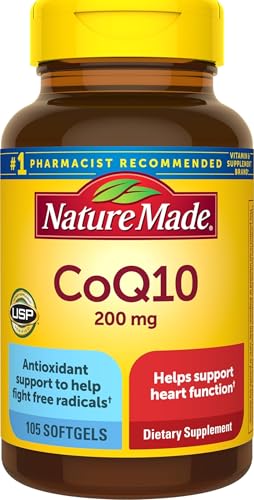
For instance, a systematic review and meta-analysis protocol was designed to evaluate the efficacy of CoQ10 supplementation on glucose metabolism and other markers in women with polycystic ovary syndrome (PCOS) [2]. A randomized, double-blind, placebo-controlled trial in 60 women with PCOS reported that 100 mg of CoQ10 daily for 12 weeks lowered fasting plasma glucose, serum insulin and insulin resistance compared with placebo, alongside reductions in total and LDL cholesterol. That result should be read with caution: in 2023 the journal that published the trial issued a formal expression of concern about the paper. It has not been retracted, but it is no longer a source this page treats as settled [3]. This suggests a potential area of interest for further research into specific populations.
Other research has explored CoQ10 status in relation to glucose parameters in different groups, such as college athletes, where connections between CoQ10 status, glucose parameters, and antioxidative capacity were examined [4]. These studies collectively contribute to a growing body of evidence exploring CoQ10’s potential metabolic implications, though the strength of evidence for broad applications remains moderate.
Metabolic Health and Energy Production
Efficient energy production is intertwined with metabolic health. When cellular energy pathways are compromised, it can impact various metabolic processes, including how the body processes carbohydrates and fats. For example, metabolic dysregulation in the heart has been noted in conditions like obesity-associated heart failure with preserved ejection fraction (HFpEF) [5].
CoQ10’s role in the mitochondrial respiratory chain directly supports the energy infrastructure that underpins healthy metabolic function [1]. While research continues to delineate specific mechanisms, maintaining adequate cellular energy is a foundational element for metabolic balance.
CoQ10 and Oxidative Stress
Beyond its role in energy production, CoQ10 also functions as an antioxidant. It helps to neutralize free radicals, which can cause oxidative stress and cellular damage. Oxidative stress is implicated in various metabolic imbalances.

For example, research has explored the regulatory role of the oxidative phosphorylation pathway in pancreatic injury and glucose metabolism in type 2 diabetic mice [6]. In college athletes, CoQ10 status was examined in relation to antioxidative capacity and glucose parameters [4]. This dual role of CoQ10 in both energy production and antioxidant defense highlights its broad potential influence on cellular health, which indirectly supports metabolic processes.
Considerations for Women in Midlife and Menopause
Midlife and menopause often bring hormonal shifts that can influence metabolic parameters, including blood sugar regulation. While CoQ10 is not a direct solution for these changes, supporting cellular function with adequate CoQ10 levels may contribute to overall metabolic resilience.
The body’s natural production of CoQ10 can decline with age [7]. For women navigating midlife, understanding factors that support metabolic health, including nutritional considerations and the role of compounds like CoQ10, can be part of a comprehensive wellness approach. While evidence for direct impact on specific menopausal symptoms related to blood sugar is still developing, supporting fundamental cellular processes remains relevant.


References
- Mitochondrial Respiratory Chain Complexes. Sub-cellular biochemistry, 2018
- Efficacy of coenzyme Q10 supplementation on glucose metabolism, lipid profiles, and biomarkers of inflammation in women with polycystic ovary syndrome: A protocol for a systematic review and meta-analysis. Medicine, 2020
- The effects of coenzyme Q10 supplementation on glucose metabolism and lipid profiles in women with polycystic ovary syndrome: a randomized, double-blind, placebo-controlled trial (subject to a 2023 expression of concern). Clinical Endocrinology (Oxford), 2017. PMID 27911471
- Coenzyme Q10 status, glucose parameters, and antioxidative capacity in college athletes. Journal of the International Society of Sports Nutrition, 2020
- Metabolic dysregulation in the heart in obesity-associated HFpEF. Frontiers in cardiovascular medicine, 2025
- Low-intensity pulsed ultrasound ameliorates pancreatic injury and glucose metabolism in type 2 diabetic mice: regulatory role of the oxidative phosphorylation pathway. Free radical biology & medicine, 2025
- Coenzyme Q(10): Clinical Applications in Cardiovascular Diseases. Antioxidants (Basel, Switzerland), 2020
These statements have not been evaluated by the Food and Drug Administration. This information is not intended to diagnose, treat, cure, or prevent any disease. Content is for informational purposes only and is not medical advice; consult a qualified healthcare provider before starting any supplement. As an Amazon Associate we earn from qualifying purchases.