As women navigate midlife and menopause, maintaining bone density becomes an increasingly important health consideration. While calcium and vitamin D are well-known for their roles in bone health, research is exploring various other compounds and their potential contributions.
Among these, Coenzyme Q10 (CoQ10), particularly in its ubiquinol form, is gaining attention for its broad cellular support functions. This article explores the current, albeit limited, evidence regarding CoQ10’s potential involvement in supporting bone density for women.
Understanding Bone Density in Midlife and Menopause
Bone tissue is constantly being remodeled, with old bone being removed and new bone being formed. This dynamic process is crucial for maintaining bone strength and integrity. During midlife and menopause, hormonal shifts can influence this balance, potentially leading to a faster rate of bone loss than formation, which can impact overall bone density.
Maintaining optimal bone density is a multifaceted endeavor, typically focusing on adequate nutrient intake, regular weight-bearing exercise, and lifestyle factors. Exploring additional nutritional compounds that might support bone health is an active area of investigation.
CoQ10 and Bone Health: Early Research Insights
Research into CoQ10’s connection to bone health is still in its early stages, with much of the current evidence coming from animal studies or very specific human contexts. These studies offer preliminary insights into potential mechanisms, but it’s important to remember that findings from animal models don’t always translate directly to humans, and specific clinical situations may not apply to the general population.

One study involving type II diabetic patients found that a CoQ10/collagen hydrogel applied to extraction sockets prior to implant placement supported bone regeneration in that specific context [1]. This suggests a localized effect on bone repair, but it’s a very different scenario than systemic bone density support.
In animal models, supplementation with CoQ10 has shown some intriguing results. For example, age-related loss of bone mineral density in male rats fed on sunflower oil was avoided with CoQ10 supplementation [2]. Similarly, age-related loss in bone mineral density was avoided in rats fed a fish oil-based diet when CoQ10 was added to their lifelong diet [3]. These findings suggest a potential protective effect against age-related bone density decline in these specific animal models.

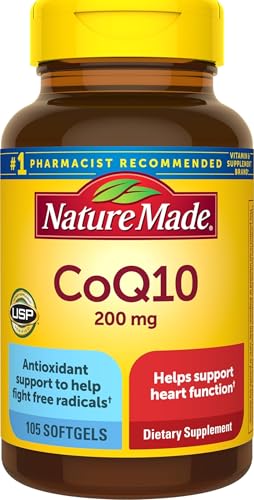
Potential Mechanisms: How CoQ10 Might Influence Bones
While direct evidence for CoQ10’s role in general bone density for women is limited, researchers are exploring potential mechanisms through which it might exert influence. CoQ10 is a vital component of the mitochondrial electron transport chain, essential for cellular energy production. It also functions as an antioxidant, helping to neutralize free radicals.
One animal study suggested that CoQ10 might protect against hyperlipidemia-induced osteoporosis by improving mitochondrial function through the modulation of a specific pathway (miR-130b-3p/PGC-1α) [4]. This highlights a potential link between CoQ10, mitochondrial health, and bone metabolism in certain conditions.
Further research is exploring other related compounds. For instance, idebenone, a synthetic analog of CoQ10, has been observed to attenuate osteoclastogenesis (the formation of cells that break down bone) and improve bone mass in ovariectomized mice [5]. While this isn’t CoQ10 directly, it hints at similar metabolic pathways that might be relevant.

Interpreting the Current Evidence for Women
It’s crucial to emphasize that the current body of evidence linking CoQ10 directly to improved bone density in healthy women, particularly those navigating midlife and menopause, is limited. The existing studies, while interesting, are largely preclinical (animal studies) or focused on very specific clinical situations (like bone regeneration in diabetic patients undergoing dental procedures).
These studies provide a foundation for further investigation, suggesting that CoQ10 may have a role in cellular processes relevant to bone health, such as mitochondrial function and oxidative stress reduction. However, drawing conclusions about its general efficacy for maintaining or improving bone density in the broader population of midlife women would be premature.
More comprehensive human clinical trials are needed to determine if CoQ10 supplementation has a meaningful impact on bone mineral density in women during menopause and beyond. For now, it remains an area of ongoing scientific exploration rather than a proven strategy for bone health support.
References
- The Effect of Coenzyme Q10/Collagen Hydrogel on Bone Regeneration in Extraction Socket Prior to Implant Placement in Type II Diabetic Patients: A Randomized Controlled Clinical Trial. Journal of clinical medicine, 2022
- Loss of Bone Mineral Density Associated with Age in Male Rats Fed on Sunflower Oil Is Avoided by Virgin Olive Oil Intake or Coenzyme Q Supplementation. International journal of molecular sciences, 2017
- Age-Related Loss in Bone Mineral Density of Rats Fed Lifelong on a Fish Oil-Based Diet Is Avoided by Coenzyme Q(10) Addition. Nutrients, 2017
- Coenzyme Q10 Protects Against Hyperlipidemia-Induced Osteoporosis by Improving Mitochondrial Function via Modulating miR-130b-3p/PGC-1α Pathway. Calcified tissue international, 2024
- Idebenone attenuates RANKL-induced osteoclastogenesis and improves bone mass in ovariectomized mice. Free radical biology & medicine, 2025
These statements have not been evaluated by the Food and Drug Administration. This information is not intended to diagnose, treat, cure, or prevent any disease. Content is for informational purposes only and is not medical advice; consult a qualified healthcare provider before starting any supplement. As an Amazon Associate we earn from qualifying purchases.