As women navigate midlife, maintaining an active lifestyle can be a powerful way to support overall well-being. Whether you’re a regular at the gym, enjoy hiking, or simply strive to stay active, supporting your body’s energy production and recovery processes becomes increasingly relevant.
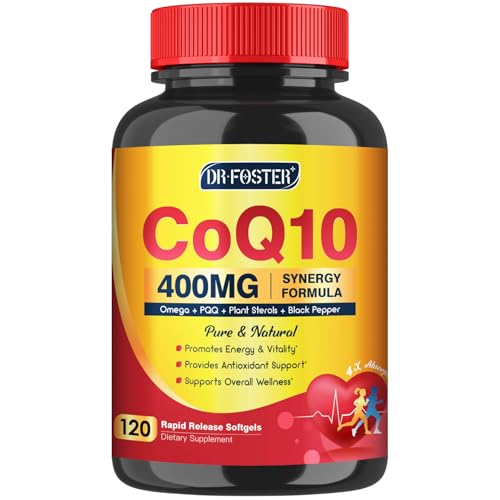
Coenzyme Q10 (CoQ10), particularly in its ubiquinol form, is a compound naturally present in the body that plays a role in cellular energy production. For active women, understanding how CoQ10 might support their exercise routine, from endurance to recovery, can be a valuable part of their wellness strategy.
Understanding CoQ10’s Role in Cellular Energy
CoQ10 is a fat-soluble, vitamin-like substance found in virtually all cells of the human body. Its primary role is within the mitochondria, often referred to as the ‘powerhouses’ of the cell, where it is a crucial component of the electron transport chain. This chain is essential for generating adenosine triphosphate (ATP), the main energy currency of the cell.
The body produces CoQ10 naturally, but its levels can decline with age. For active individuals, particularly those engaging in regular exercise, maintaining adequate CoQ10 levels may be relevant for supporting efficient energy metabolism. While the exact mechanisms are complex, CoQ10’s involvement in ATP synthesis is a fundamental aspect of its potential influence on physical activity.
CoQ10 and Exercise Performance: What the Evidence Suggests
Research into CoQ10’s impact on exercise performance has yielded varied results, suggesting a moderate level of evidence for its potential benefits, particularly in certain contexts. Some studies have explored its effects on endurance and fatigue.

For instance, a systematic review examining the effect of supplements on endurance exercise in the older population included CoQ10, among others, indicating an area of ongoing investigation [1]. Another study, though conducted in mice, suggested an antifatigue effect of CoQ10 [2]. While these findings offer insights, it’s important to remember that animal studies don’t always translate directly to human experience, and human studies often involve specific populations or conditions.
A review in 2022 explored CoQ10 supplementation and its impact on exercise and sport performance, discussing whether it acts more as a recovery or a performance-enhancing molecule [3]. The overall picture suggests that while some studies point towards potential benefits, further robust research is needed to fully clarify its widespread impact on general exercise performance in healthy, active women.
Supporting Muscle Function and Recovery
Beyond direct performance enhancement, CoQ10’s role in cellular health may extend to supporting muscle function and recovery, which are vital for active women. Exercise, particularly strenuous activity, can induce oxidative stress in the body. Oxidative stress can contribute to muscle fatigue and impact recovery.
Ubiquinol, the active antioxidant form of CoQ10, has been investigated for its potential to help manage oxidative stress. A randomized trial found that short-term ubiquinol supplementation reduced oxidative stress associated with strenuous exercise in healthy adults [4]. This suggests that by supporting the body’s antioxidant defenses, CoQ10 might play a role in the recovery process following intense physical activity.
Furthermore, in a pilot study involving patients with post-polio, CoQ10 supplementation in combination with resistance training was explored, indicating an area where CoQ10’s influence on muscle function and strength might be relevant, although this was a specific population [5]. While these findings are promising, more research is needed to confirm these effects specifically in healthy, active midlife women.
CoQ10 and Age-Related Considerations for Active Women
As women age, natural CoQ10 levels in the body tend to decline. This decline can be particularly relevant for those who maintain an active lifestyle, as efficient cellular energy production becomes even more important. The body’s ability to produce and utilize CoQ10 may influence how well it responds to the demands of regular exercise.
The ubiquinol form of CoQ10 is already in its active, antioxidant state, which means the body does not need to convert it before it can be utilized. This may be particularly relevant for older individuals, as the body’s ability to convert ubiquinone to ubiquinol can diminish with age. Supporting cellular energy processes through compounds like CoQ10 can be a consideration for active women seeking to maintain their vitality and exercise capacity as they navigate midlife and beyond.
While the evidence for a direct, broad-spectrum increase in exercise performance in healthy populations is still developing, the foundational role of CoQ10 in energy metabolism and its potential antioxidant properties offer a basis for its consideration in supporting an active lifestyle.


References
- Effect of Supplements on Endurance Exercise in the Older Population: Systematic Review. International journal of environmental research and public health, 2020
- Antifatigue effect of coenzyme Q10 in mice. Journal of medicinal food, 2010
- Coenzyme Q(10) Supplementation and Its Impact on Exercise and Sport Performance in Humans: A Recovery or a Performance-Enhancing Molecule?. Nutrients, 2022
- Short-term ubiquinol supplementation reduces oxidative stress associated with strenuous exercise in healthy adults: A randomized trial. BioFactors (Oxford, England), 2016
- Effects of resistance training in combination with coenzyme Q10 supplementation in patients with post-polio: a pilot study. Journal of rehabilitation medicine, 2008
These statements have not been evaluated by the Food and Drug Administration. This information is not intended to diagnose, treat, cure, or prevent any disease. Content is for informational purposes only and is not medical advice; consult a qualified healthcare provider before starting any supplement. As an Amazon Associate we earn from qualifying purchases.