As women navigate midlife and the menopausal transition, understanding how to support cellular health becomes increasingly relevant. One key area of focus is oxidative stress, a natural process that can impact various bodily functions. This article explores the role of CoQ10, specifically its ubiquinol form, in potentially helping to manage oxidative stress.
Coenzyme Q10 (CoQ10) is a compound naturally present in our bodies, vital for energy production within cells. Beyond this fundamental role, CoQ10 is also recognized for its antioxidant properties. We’ll delve into what oxidative stress means for cellular health and how CoQ10 may offer support.
Understanding Oxidative Stress
Oxidative stress occurs when there is an imbalance between the production of free radicals and the body’s ability to counteract their harmful effects through antioxidants. Free radicals are unstable molecules that can damage cells, proteins, and DNA, contributing to various cellular changes over time [1].
While free radicals are a natural byproduct of normal metabolic processes, factors such as environmental toxins, stress, and certain lifestyle choices can increase their production. The body possesses its own antioxidant defense systems to neutralize these free radicals, but sometimes these systems can become overwhelmed, leading to oxidative stress.
The Role of CoQ10 as an Antioxidant
CoQ10 is a fat-soluble antioxidant, meaning it can protect cell membranes from oxidative damage. In its reduced form, ubiquinol, CoQ10 is particularly effective at neutralizing free radicals. This protective action is important for maintaining the integrity and function of cells throughout the body [2].

By helping to scavenge free radicals, CoQ10 contributes to the overall antioxidant capacity of the body. This is particularly relevant for tissues with high metabolic activity, where energy production and free radical generation are more pronounced. The body’s ability to produce CoQ10 can decline with age, making external sources potentially beneficial during midlife and beyond.

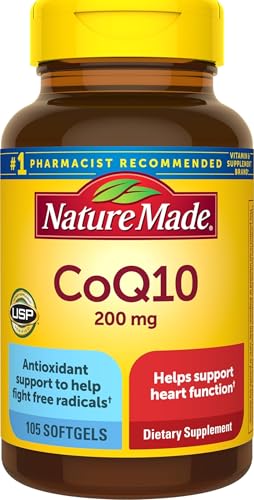
CoQ10 and Cellular Health in Midlife
During midlife and menopause, women experience significant hormonal shifts that can influence cellular processes. Supporting cellular health, including protection against oxidative stress, becomes a key consideration. Research suggests that CoQ10 may play a role in supporting the vitality of reproductive cells, which are particularly sensitive to oxidative damage [3].
For instance, studies have explored the potential of CoQ10 in supporting ovarian health. Pretreatment with CoQ10 has been observed to improve ovarian response and embryo quality in certain young women with decreased ovarian reserve [4]. Further systematic reviews and meta-analyses have investigated CoQ10 supplementation and its potential effects on fertility outcomes in women undergoing assisted reproductive technology procedures [5].

The protective effects of CoQ10 on female fertility continue to be explored, with ongoing research highlighting its potential in addressing aspects of ovarian aging and mitochondrial dysfunction [2][6].
Ubiquinol: The Active Antioxidant Form
CoQ10 exists in two forms: ubiquinone and ubiquinol. Ubiquinone is the oxidized form, which the body converts into ubiquinol, the active antioxidant form. As we age, the body’s ability to efficiently convert ubiquinone to ubiquinol may decrease.
Supplementing with ubiquinol directly can offer a readily available form of CoQ10 that the body can use immediately for its antioxidant functions. This can be particularly advantageous for individuals seeking to support their antioxidant defenses, especially during midlife when natural conversion processes may be less efficient.
References
- Biochemistry of free radicals: from electrons to tissues. Medicina, 1998
- Exploring the protective effects of coenzyme Q10 on female fertility. Frontiers in cell and developmental biology, 2025
- Coenzyme Q10 Stimulate Reproductive Vatality. Drug design, development and therapy, 2023
- Pretreatment with coenzyme Q10 improves ovarian response and embryo quality in low-prognosis young women with decreased ovarian reserve: a randomized controlled trial. Reproductive biology and endocrinology : RB&E, 2018
- Does coenzyme Q(10) supplementation improve fertility outcomes in women undergoing assisted reproductive technology procedures? A systematic review and meta-analysis of randomized-controlled trials. Journal of assisted reproduction and genetics, 2020
- Pharmacologic interventions targeting ovarian aging, cancer, and mitochondrial dysfunction: An updated evidence. Biochimica et biophysica acta. Molecular basis of disease, 2025
These statements have not been evaluated by the Food and Drug Administration. This information is not intended to diagnose, treat, cure, or prevent any disease. Content is for informational purposes only and is not medical advice; consult a qualified healthcare provider before starting any supplement. As an Amazon Associate we earn from qualifying purchases.