Navigating midlife and menopause often brings a focus on maintaining various aspects of health, including cholesterol levels. While lifestyle choices and medical guidance are paramount, many women explore complementary approaches to support their well-being.
Coenzyme Q10 (CoQ10), particularly in its ubiquinol form, is a compound that has garnered attention for its potential roles in cellular energy and antioxidant activity. This article will explore the current evidence regarding CoQ10’s potential to support healthy cholesterol levels, independent of its well-known role in statin-associated muscle symptoms.
Understanding Cholesterol and Midlife Changes
Cholesterol is a waxy, fat-like substance found in all cells of the body. It’s essential for making hormones, vitamin D, and substances that help you digest food. However, high levels of certain types of cholesterol, particularly low-density lipoprotein (LDL) cholesterol, can be a concern for cardiovascular health.
As women transition through midlife and menopause, hormonal shifts can influence lipid profiles. It’s a time when many become more proactive about monitoring and managing their cholesterol levels through diet, exercise, and sometimes medication. Exploring additional supportive nutrients like CoQ10 is a common consideration.
What Does Research Suggest About CoQ10 and Lipid Profiles?
The relationship between CoQ10 supplementation and lipid profiles has been the subject of several reviews and meta-analyses. Some research suggests that CoQ10 supplementation may have a modest impact on certain cholesterol markers.
A meta-analysis of randomized controlled trials indicated that CoQ10 supplementation might lead to a significant reduction in total cholesterol and LDL cholesterol levels in adults [1]. Another systematic review and meta-analysis also explored the effects of CoQ10 on lipid profiles among individuals with metabolic diseases, finding a significant reduction in triglycerides but no significant change in total cholesterol or LDL cholesterol [2].

More recent reviews have further contributed to this discussion. An umbrella review from 2024 examined the effect of CoQ10 supplementation on lipid and glycemic profiles [3]. Additionally, a systematic review and meta-analysis, planned for publication in 2026, also aims to assess the effects of CoQ10 on lipid, glycemic, and inflammatory markers in metabolic disorders [4].

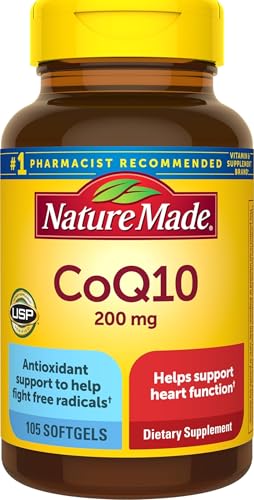
Specific Cholesterol Markers: LDL, HDL, and Triglycerides
When discussing cholesterol, it’s important to differentiate between the various markers. LDL cholesterol is often referred to as ‘bad’ cholesterol because high levels can contribute to plaque buildup in arteries. High-density lipoprotein (HDL) cholesterol is considered ‘good’ cholesterol, as it helps remove excess cholesterol from the body. Triglycerides are another type of fat in the blood.
Regarding LDL cholesterol, some meta-analyses have shown a statistically significant, albeit potentially modest, reduction with CoQ10 supplementation [1][2]. However, the impact on HDL cholesterol and triglycerides has been less consistent across studies. While some reviews report no significant effect on HDL or triglycerides, others may show varying results, highlighting the need for further research to clarify these specific relationships.
It’s also worth noting that the magnitude of these observed changes may vary depending on factors such as the dosage of CoQ10, the duration of supplementation, and the health status of the individuals participating in the studies.
Considerations for Midlife Women
For women in midlife and menopause, maintaining healthy cholesterol levels is a key component of overall cardiovascular wellness. While CoQ10 may offer some supportive potential for cholesterol management, it is generally considered as a complementary approach rather than a primary intervention.

The evidence, while suggesting some positive trends for total and LDL cholesterol, is still developing. It is important for women to work closely with their healthcare providers to develop a comprehensive strategy for cholesterol management that includes dietary adjustments, regular physical activity, and appropriate medical oversight.
While CoQ10 has been studied for its effects on metabolic profiles in conditions like diabetes, where it showed potential for improving some metabolic markers [5], its direct and consistent impact on all lipid parameters in healthy midlife women warrants further dedicated investigation.
Dosage and Form of CoQ10
CoQ10 supplements are available in two forms: ubiquinone and ubiquinol. Ubiquinol is the active antioxidant form of CoQ10 and is thought to be more readily absorbed by the body, particularly as we age. For this reason, many CoQ10 information sites focus on ubiquinol.
Dosages used in studies vary widely, typically ranging from 100 mg to 300 mg per day. It is always advisable to discuss appropriate dosages with a healthcare professional, especially when considering any new supplement regimen.
References
- Effects of Coenzyme Q10 Supplementation on Lipid Profiles in Adults: A Meta-analysis of Randomized Controlled Trials. The Journal of clinical endocrinology and metabolism, 2022
- The Effects of Coenzyme Q10 Supplementation on Lipid Profiles Among Patients with Metabolic Diseases: A Systematic Review and Meta-analysis of Randomized Controlled Trials. Current pharmaceutical design, 2018
- Effect of Coenzyme Q10 Supplementation on Lipid and Glycaemic Profiles: An Umbrella Review. Journal of cardiovascular development and disease, 2024
- Effects of Coenzyme Q10 on Lipid, Glycemic, and Inflammatory Markers in Metabolic Disorders: A Systematic Review and Meta-Analysis. Journal of diabetes research, 2026
- Effects of coenzyme Q10 supplementation on metabolic profile in diabetes: a systematic review and meta-analysis. Journal of clinical pharmacy and therapeutics, 2015
These statements have not been evaluated by the Food and Drug Administration. This information is not intended to diagnose, treat, cure, or prevent any disease. Content is for informational purposes only and is not medical advice; consult a qualified healthcare provider before starting any supplement. As an Amazon Associate we earn from qualifying purchases.