As you navigate the exciting yet often challenging landscape of midlife, particularly between the ages of 45 and 60, questions about maintaining vitality and protecting long-term health become increasingly pertinent. You might be experiencing shifts in your energy levels, noticing changes in your cardiovascular well-being, or perhaps you’ve recently been prescribed a statin medication.
These experiences often lead to exploring dietary supplements that can support your body’s natural processes. Coenzyme Q10, or CoQ10, frequently emerges in these discussions, but understanding the optimal dosage, the distinction between ubiquinol and ubiquinone, and crucial safety considerations can feel overwhelming.
CoQ10Hub is an affiliate partner with various brands. This means we may earn a small commission from qualifying purchases made through links on our site, at no extra cost to you. This helps support our research and content creation.
Understanding CoQ10: Ubiquinol vs. Ubiquinone
CoQ10 is a fat-soluble, vitamin-like substance naturally produced by your body, playing a crucial role in cellular energy production within the mitochondria. It also functions as a powerful antioxidant, protecting cells from oxidative damage.
However, CoQ10 exists in two primary forms: ubiquinone and ubiquinol. This distinction is vital for understanding effective supplementation, especially as we age.
| Feature | Ubiquinone (Oxidized Form) | Ubiquinol (Reduced Form) |
|---|---|---|
| Absorption | Must be converted to ubiquinol in the body for use. Conversion efficiency can decrease with age or certain health conditions. | Ready for immediate use by the body. Generally considered more bioavailable, especially for older individuals or those with impaired absorption. |
| Appearance | Orange or yellow powder. | White, milky substance. |
| Primary Role | Precursor to ubiquinol; involved in the electron transport chain. | Active antioxidant; directly participates in energy production and free radical scavenging. |
| Recommendation | May be suitable for younger individuals with robust conversion capabilities. | Often recommended for individuals over 40, those with cardiovascular concerns, or statin users, on an absorption advantage the human trials disagree about[1]. |
For women aged 45-60 and statin users, ubiquinol is frequently the preferred choice, usually justified by better absorption and by declining conversion capacity with age. Both parts of that justification are weaker than they sound. One four-week trial in 12 volunteers did find higher plasma CoQ10 on ubiquinol[2], but a randomized crossover run specifically in adults aged 65 to 74 found the difference was not statistically significant, and found that CoQ10 showed up in the blood mostly as ubiquinol even when it was swallowed as ubiquinone[1], which is the opposite of what the declining-conversion argument predicts. A comparison of seven formulations found the carrier oil and how the CoQ10 was dissolved mattered more than which form was used[3]. Either form is a reasonable choice; take it with fat.
CoQ10 Dosage for Cellular Energy and Perimenopause
Many women in perimenopause and beyond report fluctuating energy levels, which can be attributed to various hormonal shifts and metabolic changes. CoQ10’s role in mitochondrial function makes it a potential candidate for supporting cellular energy production.
While CoQ10 is crucial for energy at a cellular level, direct evidence linking CoQ10 supplementation to a significant, noticeable increase in general energy or reduction in perimenopausal fatigue in otherwise healthy individuals is more nuanced than for its cardiovascular benefits. The body’s natural CoQ10 production does decline with age, so supplementation can help maintain optimal levels.
For general cellular energy support and to counteract age-related decline, a common starting dosage of ubiquinol ranges from 100 mg to 200 mg per day. Some individuals may find benefits at the higher end of this range, but it is always best to start low and assess your body’s response.

CoQ10 Dosage for Heart Health
CoQ10’s contribution to heart health is one of its most extensively studied and well-supported applications. The heart is one of the most metabolically active organs, requiring a constant supply of energy, which CoQ10 directly facilitates.

Furthermore, CoQ10 acts as a potent antioxidant, helping to protect cardiovascular cells from oxidative stress, a known contributor to various heart conditions. Studies have explored CoQ10’s role in supporting individuals with existing heart conditions, such as heart failure and hypertension.
For general cardiovascular support and maintenance, a daily dosage of 100 mg to 200 mg of ubiquinol is commonly recommended. In individuals with specific cardiovascular concerns, dosages often range from 200 mg to 300 mg per day, sometimes even higher under medical supervision.
The clearest example is Q-SYMBIO, a randomized, double-blind trial in 420 patients with moderate to severe chronic heart failure, which used 100 mg three times daily (300 mg/day) alongside standard therapy for two years. Major adverse cardiovascular events occurred in 15% of the CoQ10 group versus 26% on placebo, with lower all-cause mortality (10% versus 18%), fewer hospital stays for heart failure, and improved NYHA functional class[4]. Worth being precise about what that means: those participants were diagnosed heart failure patients under medical supervision, taking CoQ10 on top of their prescribed therapy, not healthy adults taking a wellness dose. Always consult with your healthcare provider before beginning any new supplement regimen, especially if you have pre-existing heart conditions or are taking other medications.
CoQ10 Dosage for Statin Users: Counteracting Depletion
One of the most compelling reasons for CoQ10 supplementation, particularly for our target audience, is its interaction with statin medications. Statins, widely prescribed to lower cholesterol, work by inhibiting an enzyme called HMG-CoA reductase, which is involved in both cholesterol synthesis and CoQ10 production.
Consequently, statin use can lead to a significant depletion of the body’s natural CoQ10 levels. This depletion is a primary mechanism thought to contribute to statin-associated muscle symptoms (SAMS), such as muscle pain, weakness, or fatigue, although the exact relationship is still a subject of ongoing research.
That depletion is measurable rather than theoretical. A double-blind, placebo-controlled study of pravastatin and simvastatin at 20 mg/day found plasma CoQ10 fell by roughly 40%, in healthy volunteers and in patients with high cholesterol alike[5]. A later meta-analysis pooling eight placebo-controlled treatment arms confirmed a significant reduction with atorvastatin, simvastatin, rosuvastatin and pravastatin, and with both lipophilic and hydrophilic statins — a mean drop of about 0.44 µmol/L[6], against a reference range in healthy adults of roughly 0.40 to 1.91 µmol/L[7]. What that lower number means for how you actually feel is the part the research has not settled, and the authors of that meta-analysis say so directly: further well-designed trials are needed to establish its clinical relevance[6]. Supplementing with CoQ10, specifically ubiquinol due to its superior absorption, can help replenish these depleted levels.
For statin users, a common dosage recommendation for ubiquinol is between 100 mg and 200 mg per day. Some clinical trials investigating CoQ10 for statin-induced muscle symptoms have used dosages up to 200 mg per day, with some individuals reporting a reduction in discomfort. Discussing CoQ10 supplementation with your prescribing doctor is crucial to ensure it aligns with your overall treatment plan and to monitor any potential interactions.
CoQ10 (Ubiquinol) Dosage & Cost Calculator
Based on the labeled dose options for Qunol Ubiquinol CoQ10 200mg and the 120-count bottle at $73.50, the Amazon price checked on 19 September 2026.
Open the full dosage & cost calculator →
Estimate only – based on the current listed price of the 120-count Qunol Ubiquinol CoQ10 200mg bottle. Actual Amazon price can change; check the live price before buying.
Why no height/weight input? Unlike per-kg supplements (creatine, protein), CoQ10 (Ubiquinol) has no published bodyweight-adjusted dosing in the research behind it. This calculator doesn’t fabricate a per-kg formula that doesn’t exist in the literature.
Get Qunol Ubiquinol CoQ10 200mg on Amazon(paid link) As an Amazon Associate we earn from qualifying purchases.
When and How to Take CoQ10 (Ubiquinol)
CoQ10 is a fat-soluble compound, and because it is both strongly hydrophobic and a large molecule, absorption from the gut is inherently slow and limited — which is why reviews of its pharmacokinetics favour solubilized formulations, and why taking it with a meal containing dietary fat is the standard advice[7]. The same work puts peak blood levels at around six hours after a dose, with an elimination half-life of roughly 33 hours[7], which is the practical reason a consistent daily habit matters more than the exact hour you take it.

Taking your ubiquinol supplement with your largest meal of the day, or at least with a meal containing some healthy fats (like avocados, nuts, seeds, or olive oil), is generally recommended. If you are taking a higher dose, your healthcare provider might suggest dividing it into two smaller doses throughout the day to optimize absorption.

Consistency is key with CoQ10 supplementation. Its effects are not immediate; it takes time for levels to build up in the body and for benefits to become apparent. Aim for daily intake as part of your routine.
Safety Notes and Potential Side Effects
CoQ10 is generally considered safe and well-tolerated, even at higher dosages. Side effects are rare and typically mild, often resolving on their own.
Reported side effects can include mild gastrointestinal upset, such as stomach discomfort, nausea, or diarrhea. Headaches and skin rashes have also been reported in isolated cases. If you experience any persistent or bothersome side effects, discontinue use and consult your healthcare provider.
Drug Interactions
While CoQ10 is largely safe, it is routinely listed as interfering with blood-thinning medications such as warfarin (Coumadin) and reducing their effectiveness, on the reasoning that its structure resembles vitamin K. That concern traces back to a small number of case reports, and it is worth knowing what happened when it was tested directly. In a randomized, double-blind, placebo-controlled crossover trial, 24 outpatients on stable long-term warfarin took 100 mg of CoQ10 daily for four weeks: their INR stayed stable, and the weekly warfarin dose they needed did not change (36.5 mg/week on CoQ10 versus 36.0 mg/week on placebo)[8]. That is one small trial, not a final answer. The sensible course if you take warfarin is to tell your prescriber before you start CoQ10 and keep to the INR monitoring you would have after any change — not to assume the supplement will blunt your medication, and certainly not to adjust your own dose.
CoQ10 is also widely described as lowering blood pressure, and therefore as adding to the effect of antihypertensive medication. The best available synthesis does not support that. A Cochrane review restricted to double-blind, randomized, placebo-controlled trials in primary hypertension concluded, on moderate-quality evidence, that CoQ10 does not have a clinically significant effect on blood pressure: pooled across the eligible trials, neither the systolic change (−3.68 mmHg, 95% CI −8.86 to 1.49) nor the diastolic change (−2.03 mmHg, 95% CI −4.86 to 0.81) reached statistical significance[9]. The reviewers were clear that the eligible trials were few and small. Mentioning CoQ10 to whoever manages your blood pressure is still the right move, but do not expect it to work as an additional blood pressure treatment, and do not adjust prescribed medication on the assumption that it will.
Additionally, some chemotherapy drugs may interact with CoQ10. Always disclose all supplements you are taking to your healthcare team, especially if you are undergoing cancer treatment.
Finding the Right CoQ10 Supplement
When searching for a CoQ10 supplement, prioritize quality and form. Look for products that clearly state “ubiquinol” on the label, especially if you are over 40 or a statin user.
Consider brands that offer third-party testing for purity and potency. This ensures that the product contains the stated amount of CoQ10 and is free from contaminants. Check for softgel formulations, as these often enhance absorption due to their oil-based delivery.
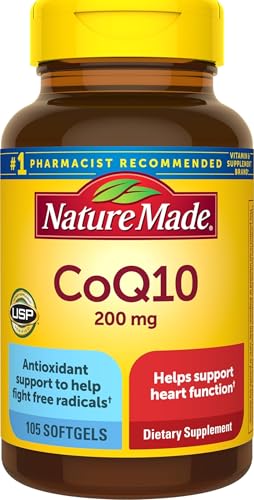
When you’re ready to explore options, you can search for: ubiquinol CoQ10 softgels, high absorption ubiquinol, or ubiquinol CoQ10 for statin users.
Conclusion
Navigating CoQ10 supplementation involves understanding the critical difference between ubiquinol and ubiquinone, especially for women aged 45-60 seeking cellular energy support and cardiovascular health. For statin users, ubiquinol supplementation at dosages typically between 100 mg and 200 mg daily is a well-supported strategy to counteract drug-induced depletion.
Always prioritize consultation with your healthcare provider to determine the most appropriate dosage and to ensure CoQ10 fits safely within your individual health plan. By making informed choices, you can effectively support your body’s vital functions and maintain your well-being.

Frequently Asked Questions (FAQ)
1. What is the main difference between ubiquinol and ubiquinone?
Ubiquinol is the active, reduced form of CoQ10 that is directly utilized by the body and offers superior absorption, particularly for older individuals. Ubiquinone is the oxidized form, which needs to be converted into ubiquinol by the body before it can be used, a conversion process that can become less efficient with age.

2. How long does it take for CoQ10 to work?
The effects of CoQ10 are not immediate. It typically takes several weeks to a few months of consistent supplementation for CoQ10 levels to build up in the body and for potential benefits to become noticeable, especially for conditions like statin-induced muscle symptoms or cardiovascular support.
3. Can I take CoQ10 if I am on statin medication?
Yes, many healthcare providers recommend CoQ10 supplementation for individuals taking statins to help replenish CoQ10 levels depleted by the medication. However, always consult your doctor before starting CoQ10, as they can advise on the appropriate dosage and monitor for any interactions.
4. Are there any foods rich in CoQ10?
While the body produces CoQ10, it is also found in smaller amounts in foods. Good sources include organ meats (like liver, heart, kidney), fatty fish (sardines, mackerel), whole grains, and some nuts and seeds. However, obtaining therapeutic doses from diet alone is challenging.
5. What is the maximum safe dosage for CoQ10?
CoQ10 is generally considered safe even at high doses. A randomized, placebo-controlled, dose-ranging trial in early Parkinson’s disease assigned 80 participants to 300, 600 or 1,200 mg per day and followed them for up to 16 months, reporting that CoQ10 was safe and well tolerated at dosages up to 1,200 mg/day[10]. Read that for what it is: a specific patient population studied for a specific reason, not a general licence to take that much. For most common applications, dosages typically range from 100 mg to 300 mg per day. Always consult your healthcare provider for personalized dosage recommendations.
References
- Comparative bioavailability of different coenzyme Q10 formulations in healthy elderly individuals. Nutrients (2020). PMID 32188111
- Comparison study of plasma coenzyme Q10 levels in healthy subjects supplemented with ubiquinol versus ubiquinone. Clinical Pharmacology in Drug Development (2014). PMID 27128225
- Bioavailability of coenzyme Q10 supplements depends on carrier lipids and solubilization. Nutrition (2019). PMID 30153575
- The effect of coenzyme Q10 on morbidity and mortality in chronic heart failure: results from Q-SYMBIO: a randomized double-blind trial. JACC: Heart Failure (2014). PMID 25282031
- Evidence of plasma CoQ10-lowering effect by HMG-CoA reductase inhibitors: a double-blind, placebo-controlled study. Journal of Clinical Pharmacology (1993). PMID 8463436
- Statin therapy and plasma coenzyme Q10 concentrations – a systematic review and meta-analysis of placebo-controlled trials. Pharmacological Research (2015). PMID 26192349
- Coenzyme Q10: absorption, tissue uptake, metabolism and pharmacokinetics. Free Radical Research (2006). PMID 16551570
- Effect of coenzyme Q10 and Ginkgo biloba on warfarin dosage in stable, long-term warfarin treated outpatients. A randomised, double blind, placebo-crossover trial. Thrombosis and Haemostasis (2002). PMID 12083489
- Blood pressure lowering efficacy of coenzyme Q10 for primary hypertension. Cochrane Database of Systematic Reviews (2016). PMID 26935713
- Effects of coenzyme Q10 in early Parkinson disease: evidence of slowing of the functional decline. Archives of Neurology (2002). PMID 12374491
These statements have not been evaluated by the FDA. This product is not intended to diagnose, treat, cure, or prevent any disease.
These statements have not been evaluated by the Food and Drug Administration. This information is not intended to diagnose, treat, cure, or prevent any disease. Content is for informational purposes only and is not medical advice; consult a qualified healthcare provider before starting any supplement. As an Amazon Associate we earn from qualifying purchases.