Coenzyme Q10 (CoQ10) is a compound that plays a role in cellular energy production. As women navigate midlife and menopause, understanding how to select a CoQ10 supplement can be helpful for those considering its use.
This guide provides an evidence-based overview of factors to consider when choosing a CoQ10 supplement, including the different forms, absorption considerations, and typical dosage ranges, to help you make informed decisions.
Understanding CoQ10 Forms: Ubiquinone vs. Ubiquinol
CoQ10 exists in two primary forms within the body: ubiquinone and ubiquinol. Ubiquinone is the oxidized form, while ubiquinol is the reduced, active antioxidant form. For the body to utilize ubiquinone, it must first convert it into ubiquinol. This conversion process can become less efficient with age or in certain health circumstances.
When choosing a CoQ10 supplement, you’ll encounter products containing either ubiquinone or ubiquinol. Ubiquinol is often marketed as being more readily absorbed and bioavailable, particularly for older individuals, because it bypasses the need for conversion in the body. However, the body’s ability to convert ubiquinone to ubiquinol is generally robust in younger, healthy individuals.
Some research suggests that ubiquinol supplementation may offer advantages in certain contexts due to its direct bioavailability. For example, some studies investigating CoQ10’s potential role in reproductive health have utilized ubiquinol forms [1][2][3]. When selecting a supplement, considering the ubiquinol form may be a practical choice, especially for women in midlife and beyond.


Optimizing CoQ10 Absorption
CoQ10 is a fat-soluble compound, meaning it dissolves in fats and oils. This characteristic significantly impacts its absorption within the digestive system. To maximize absorption, CoQ10 supplements are often formulated with oils or other lipid-based delivery systems. Taking CoQ10 with a meal that contains dietary fats can further enhance its absorption.
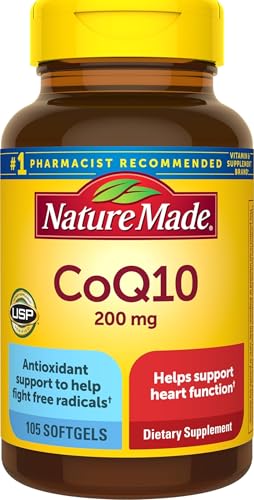
Various formulations have been developed to improve CoQ10 bioavailability, including softgels, emulsions, and nanoparticles. While ubiquinol is generally considered more bioavailable than ubiquinone, the specific formulation of the supplement can also play a crucial role in how well it is absorbed by the body. Look for supplements that specify enhanced absorption or include ingredients known to aid fat-soluble nutrient uptake.
The goal of any supplement is to deliver the active compound efficiently to the body’s cells. For CoQ10, effective absorption means more of the ingested dose becomes available for cellular processes. Therefore, beyond choosing the ubiquinol form, considering how a supplement is formulated to optimize its absorption is a key factor in selecting the best CoQ10 product.
Dosage Considerations for Women
The appropriate dosage of CoQ10 can vary widely depending on individual needs and the specific health interests. There isn’t a universally recommended daily allowance for CoQ10, and dosages often range from tens to hundreds of milligrams per day. For women navigating midlife and menopause, common dosages often fall within the 100-300 mg range, though higher doses may be explored in some research contexts.
In studies exploring CoQ10’s potential benefits related to reproductive health, dosages have varied. For example, some research on female infertility and assisted reproductive technology (ART) procedures has involved CoQ10 supplementation, with doses varying across studies [1][2]. Another network meta-analysis that included CoQ10 for women with polycystic ovary syndrome (PCOS) also utilized varying dosages [4].
It is always advisable to begin with a lower dose and adjust as needed, while observing how your body responds. Consulting with a healthcare provider can help determine an appropriate starting dose and guide dosage adjustments based on your individual health profile and goals. They can also offer guidance on potential interactions with other supplements or medications you may be taking.
Quality and Purity: What to Look For
When selecting any supplement, quality and purity are paramount. For CoQ10, this means looking for products from reputable manufacturers that adhere to good manufacturing practices (GMP). GMP certification indicates that the product is consistently produced and controlled according to quality standards.
Third-party testing can provide an additional layer of assurance regarding a supplement’s quality, potency, and purity. Organizations that offer independent testing and certification can verify that the product contains the stated amount of CoQ10 and is free from contaminants like heavy metals, pesticides, or microbes. This is especially important for women who are mindful of what they introduce into their bodies, particularly during sensitive life stages.
Reviewing product labels for ingredient lists and allergen information is also essential. Some CoQ10 supplements may contain additional ingredients or fillers that you might wish to avoid. Choosing a product with minimal additives and transparent sourcing can contribute to a more confident and informed supplementation experience. Prioritizing quality helps ensure you are getting the CoQ10 you intend to take, in a form that is as pure as possible.
References
- The Role of Nutrient Supplements in Female Infertility: An Umbrella Review and Hierarchical Evidence Synthesis. Nutrients, 2024
- Does coenzyme Q(10) supplementation improve fertility outcomes in women undergoing assisted reproductive technology procedures? A systematic review and meta-analysis of randomized-controlled trials. Journal of assisted reproduction and genetics, 2020
- Exploring the Effects of Oxidative Stress on Female Reproductive Function: The Role of Antioxidant Supplementation. Current drug metabolism, 2025
- The effectiveness of coenzyme Q10, vitamin E, inositols, and vitamin D in improving the endocrine and metabolic profiles in women with polycystic ovary syndrome: a network Meta-analysis. Gynecological endocrinology : the official journal of the International Society of Gynecological Endocrinology, 2021
These statements have not been evaluated by the Food and Drug Administration. This information is not intended to diagnose, treat, cure, or prevent any disease. Content is for informational purposes only and is not medical advice; consult a qualified healthcare provider before starting any supplement. As an Amazon Associate we earn from qualifying purchases.