Navigating perimenopause involves many changes, and some women consider various supplements to support their well-being during this time. Coenzyme Q10 (CoQ10), particularly in its ubiquinol form, is an antioxidant that plays a role in cellular energy production.
Understanding appropriate CoQ10 dosage for women in perimenopause can be complex, as research in this specific area is still developing. This article will review current evidence regarding CoQ10 supplementation and dosages, focusing on areas relevant to women in midlife, while emphasizing that this information is for educational purposes only and not medical advice.
What is CoQ10 and Why Might it be Relevant in Midlife?
Coenzyme Q10 is a fat-soluble, vitamin-like substance naturally produced in the body. It is essential for generating energy in cells and acts as an antioxidant, helping to protect cells from oxidative stress. While the body produces CoQ10, its levels can naturally decline with age. This decline is one reason some women in midlife consider supplementation.
The two main forms of CoQ10 are ubiquinone and ubiquinol. Ubiquinol is the active, antioxidant form of CoQ10. Some research suggests that ubiquinol may be more readily absorbed by the body compared to ubiquinone, which needs to be converted into ubiquinol before it can be used [1].
CoQ10 Dosage and Female Fertility: Insights from Research
While perimenopause marks a transition away from reproductive years, some of the most comprehensive research on CoQ10 dosage in women relates to fertility and ovarian health. This research provides some of the clearest indications of dosages that have been explored in clinical settings.

Several systematic reviews and meta-analyses have examined the role of CoQ10 and other antioxidants in supporting female fertility, particularly in women with diminished ovarian reserve (DOR) or those undergoing assisted reproductive technologies (ART) like IVF/ICSI. For instance, a 2024 systematic review and meta-analysis noted that CoQ10 pretreatment for women with diminished ovarian reserve undergoing IVF/ICSI showed clinical evidence [2]. Another systematic review from 2024 on antioxidants and fertility in women with ovarian aging also highlighted the role of CoQ10 [3].
Dosages explored in these fertility-focused studies often range significantly. For example, some studies mentioned in reviews have used dosages from 200 mg to 600 mg daily. A 2020 systematic review and network meta-analysis on adjuvant treatment strategies in ovarian stimulation for poor responders undergoing IVF included studies where CoQ10 was used [4]. While these dosages are specific to fertility contexts, they provide a reference for amounts that have been studied in women. It is important to remember that these findings are not directly transferable to general perimenopausal support, but they represent a body of evidence on CoQ10 use in women.
General Health and CoQ10 Dosages: Broader Perspectives
Beyond fertility, research has explored CoQ10 for various other health considerations, though often not specifically stratified by perimenopausal status. These studies can offer a broader understanding of common CoQ10 dosages used in research. For instance, a 2022 systematic review and meta-analysis examined the dose-response effect of CoQ10 supplementation on blood pressure among patients with cardiometabolic disorders, noting that dosages up to 200 mg per day were often explored [5].

Another meta-analysis from 2022 investigated the effects of CoQ10 supplementation on lipid profiles in adults, including studies with varying dosages [6]. A more recent 2024 systematic review and dose-response meta-analysis looked at the effects of CoQ10 on biomarkers of exercise-induced muscle damage, physical performance, and oxidative stress. This review also considered different dosages in its analysis [7].
These broader health studies often use dosages ranging from 100 mg to 300 mg per day, with some studies exploring higher amounts for specific outcomes. While these studies are not specific to women in perimenopause, they illustrate the range of dosages that have been investigated for various physiological effects in adult populations. The ‘moderate’ evidence strength for CoQ10 dosage in women, particularly for perimenopausal symptoms not related to fertility, suggests that more targeted research is still needed.
Considering Absorption and Form: Ubiquinol vs. Ubiquinone
When considering CoQ10 dosage, the form of CoQ10 can be a factor. As mentioned, ubiquinol is the active form. Some research suggests that ubiquinol may have better bioavailability, meaning it is more efficiently absorbed and utilized by the body, especially in older individuals or those with certain health conditions [1]. This could mean that a lower dosage of ubiquinol might achieve similar blood levels of CoQ10 compared to a higher dosage of ubiquinone.
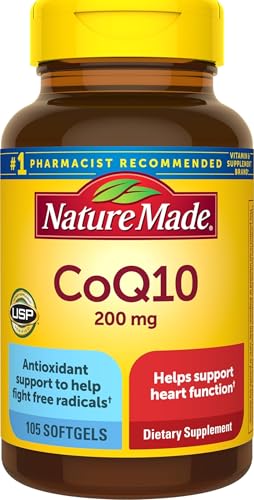
However, it’s important to note that many studies, particularly older ones, may have used ubiquinone. When reviewing research, understanding which form was used can be helpful in interpreting the relevance of the dosage. The evidence for ubiquinol’s superior absorption is a consideration for women choosing a CoQ10 supplement in midlife.
Factors Influencing Individual CoQ10 Dosage
There is no single ‘one-size-fits-all’ CoQ10 dosage for women in perimenopause, as individual needs can vary. Factors that might influence an appropriate dosage include a woman’s overall health status, any specific health considerations she is addressing, and her current CoQ10 levels, though routine testing for CoQ10 is not common. Lifestyle factors, such as diet and exercise, can also play a role in overall CoQ10 status.
Given the varied findings and the lack of specific perimenopause-focused dosage guidelines, it is sensible to start with lower dosages, such as 100-200 mg of ubiquinol daily, and observe any effects. For specific health considerations, higher dosages, such as those used in fertility studies (e.g., 200-600 mg daily), have been explored, but these should be discussed with a healthcare professional.

References
- High-dose coenzyme Q10-loaded oleogels for oral therapeutic supplementation. International journal of pharmaceutics, 2019
- Clinical evidence of coenzyme Q10 pretreatment for women with diminished ovarian reserve undergoing IVF/ICSI: a systematic review and meta-analysis. Annals of medicine, 2024
- Antioxidants and Fertility in Women with Ovarian Aging: A Systematic Review and Meta-Analysis. Advances in nutrition (Bethesda, Md.), 2024
- Adjuvant treatment strategies in ovarian stimulation for poor responders undergoing IVF: a systematic review and network meta-analysis. Human reproduction update, 2020
- Dose-Response Effect of Coenzyme Q10 Supplementation on Blood Pressure among Patients with Cardiometabolic Disorders: A Grading of Recommendations Assessment, Development, and Evaluation (GRADE)-Assessed Systematic Review and Meta-Analysis of Randomized Controlled Trials. Advances in nutrition (Bethesda, Md.), 2022
- Effects of Coenzyme Q10 Supplementation on Lipid Profiles in Adults: A Meta-analysis of Randomized Controlled Trials. The Journal of clinical endocrinology and metabolism, 2022
- The effects of coenzyme Q10 supplementation on biomarkers of exercise-induced muscle damage, physical performance, and oxidative stress: A GRADE-assessed systematic review and dose-response meta-analysis of randomized controlled trials. Clinical nutrition ESPEN, 2024
These statements have not been evaluated by the Food and Drug Administration. This information is not intended to diagnose, treat, cure, or prevent any disease. Content is for informational purposes only and is not medical advice; consult a qualified healthcare provider before starting any supplement. As an Amazon Associate we earn from qualifying purchases.