For women navigating midlife and menopause, understanding how to best support their bodies with supplements like CoQ10 (ubiquinol) can be valuable. While CoQ10 is naturally present in our bodies, its levels may decline with age [1].
When considering CoQ10 supplementation, an important aspect to consider is how well the body can absorb and utilize it. This article explores the role of dietary fat and timing in optimizing CoQ10 absorption, drawing on current research to provide practical, evidence-based guidance.
Understanding CoQ10: A Fat-Soluble Compound
Coenzyme Q10, often referred to as CoQ10, is a compound that plays a role in cellular energy production. It exists in two forms: ubiquinone and ubiquinol. Ubiquinol is the active antioxidant form of CoQ10 and is generally considered more readily absorbed by the body [1].
A key characteristic of CoQ10 is its fat-soluble nature. This means that unlike water-soluble compounds, CoQ10 does not dissolve easily in water. This property has significant implications for how it is absorbed and transported within the body. Because it is fat-soluble, CoQ10 requires dietary fats to facilitate its uptake from the digestive system [2].
The Critical Role of Dietary Fat in CoQ10 Absorption
Research consistently indicates that consuming CoQ10 with a meal containing dietary fat significantly enhances its absorption. When CoQ10 is ingested alongside fats, it can be incorporated into micelles – tiny structures that help transport fat-soluble compounds across the intestinal wall into the bloodstream [2].

Studies have specifically highlighted that the bioavailability of CoQ10 supplements can be influenced by the presence of carrier lipids and how it is solubilized. This means that not only the presence of fat, but also the formulation of the CoQ10 supplement itself, can play a role in how effectively it is absorbed [3]. For instance, certain formulations designed to improve solubility have demonstrated enhanced bioavailability in healthy volunteers [4].
Without sufficient dietary fat, CoQ10 absorption can be considerably lower. This is because the body’s digestive system relies on fats to create the necessary environment for fat-soluble compounds to be taken up efficiently. Therefore, simply taking CoQ10 on an empty stomach may not yield the same level of absorption as taking it with a meal that includes healthy fats [2].
Optimal Timing: Taking CoQ10 with Meals
Given CoQ10’s fat-soluble nature, the most effective strategy for maximizing its absorption is to take it with a meal that contains dietary fat. This allows the CoQ10 to be properly emulsified and absorbed through the lymphatic system, bypassing some of the challenges associated with water-soluble compound absorption [2].
While there isn’t a single ‘perfect’ meal for everyone, incorporating healthy fats such as those found in avocados, olive oil, nuts, seeds, or fatty fish like salmon, alongside your CoQ10 supplement, can be beneficial. These fats help create the optimal environment in the digestive tract for CoQ10 uptake [2].
Splitting the daily dose across two meals has been tested directly. In a randomized, double-blind, placebo-controlled trial, 60 healthy men took CoQ10 with meals for 20 days at several dosages and intake strategies, and serum response was improved with a divided-dose strategy [5]. That was a small trial in men only, and it did not separate divided dosing from the fat content of the meals, so treat it as a reason to consider splitting a larger daily amount rather than a settled rule. Taking the dose with fat remains the more consistently supported step [2].
Practical Tips for Integrating CoQ10 into Your Midlife Routine
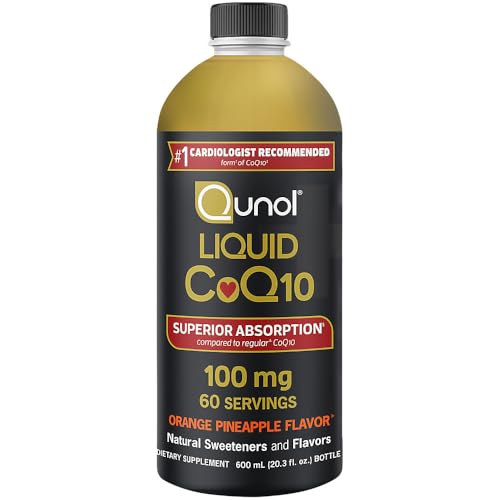
For women in midlife and menopause, integrating CoQ10 effectively into a daily routine involves mindful timing. Consider taking your CoQ10 supplement with your largest meal of the day, which typically contains more fat than lighter meals or snacks. This could be breakfast, lunch, or dinner, depending on your personal eating habits.
Examples of fat-containing meals that could support CoQ10 absorption include: a breakfast with avocado toast and eggs, a lunch salad with olive oil dressing and nuts, or a dinner featuring fatty fish and roasted vegetables drizzled with oil. The goal is to ensure that the CoQ10 has the necessary lipids available for transport [2].
Remember that consistency is also key. Establishing a routine of taking CoQ10 with a fat-containing meal at the same time each day can help maintain steady levels in the body over time. While the benefits of CoQ10 may not be immediately noticeable, consistent intake as directed can support the body’s natural processes [1].

References
- Coenzyme Q(10) supplementation – In ageing and disease. Mechanisms of ageing and development, 2021
- Coenzyme Q10: absorption, tissue uptake, metabolism and pharmacokinetics. Free radical research, 2006
- Bioavailability of coenzyme Q10 supplements depends on carrier lipids and solubilization. Nutrition (Burbank, Los Angeles County, Calif.), 2019
- A New Food-grade Coenzyme Q10 Formulation Improves Bioavailability: Single and Repeated Pharmacokinetic Studies in Healthy Volunteers. Current drug delivery, 2019
- Effect on absorption and oxidative stress of different oral Coenzyme Q10 dosages and intake strategy in healthy men. BioFactors, 2005
These statements have not been evaluated by the Food and Drug Administration. This information is not intended to diagnose, treat, cure, or prevent any disease. Content is for informational purposes only and is not medical advice; consult a qualified healthcare provider before starting any supplement. As an Amazon Associate we earn from qualifying purchases.