Ready to buy? Check current prices on Amazon and compare deals before you decide.
Navigating perimenopause often brings a range of changes, and for many women, a noticeable dip in energy levels can be a significant concern. When exploring ways to support vitality during this phase, CoQ10 and magnesium are two supplements that frequently come up in discussions. While both are essential for various bodily functions, their potential roles in supporting energy are distinct.
This article will explore the different mechanisms by which CoQ10 (often in its ubiquinol form) and magnesium are thought to influence energy, particularly for women experiencing the shifts of perimenopause. Understanding these differences can help clarify how each might contribute to overall well-being, though it’s important to note that specific research on their combined or individual effects on perimenopausal energy is still developing.
Understanding Perimenopausal Energy Shifts
Perimenopause, the transition leading up to menopause, is characterized by fluctuating hormone levels, primarily estrogen. These hormonal shifts can impact various bodily systems, potentially contributing to symptoms like fatigue, sleep disturbances, and changes in mood. Many women report feeling less energetic, even when maintaining their usual routines. Addressing these energy changes often involves a multi-faceted approach, including lifestyle adjustments and sometimes, considering nutritional support.
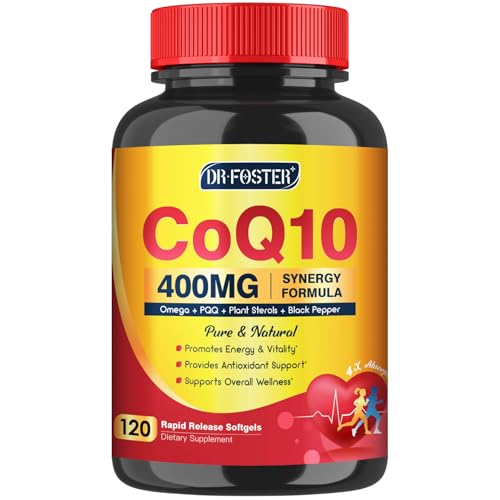
CoQ10 (Ubiquinol) and Cellular Energy Production
CoQ10 is a compound naturally produced in the body and plays a critical role in cellular energy production.[1] Specifically, it’s involved in the electron transport chain within the mitochondria, often referred to as the ‘powerhouses’ of our cells.[2] Here, CoQ10 helps convert food into adenosine triphosphate (ATP), the primary energy currency of the body. As we age, natural CoQ10 levels may decline.
The ubiquinol form of CoQ10 is the active antioxidant form and is often highlighted for its bioavailability. While CoQ10’s fundamental role in energy metabolism is well-established, direct research specifically on CoQ10 supplementation for perimenopausal fatigue or energy levels is limited. However, its general involvement in cellular energy suggests a potential, albeit not yet fully understood, supportive role during times of increased physiological demand.


Magnesium’s Broad Impact on Energy and Beyond
Magnesium is an essential mineral involved in over 300 enzymatic reactions in the body, many of which are directly or indirectly related to energy production and utilization. It plays a role in ATP synthesis, nerve and muscle function, blood glucose control, and blood pressure regulation. Magnesium is also crucial for DNA and RNA synthesis, and bone development. Given its widespread involvement in metabolic processes, adequate magnesium levels are vital for maintaining overall energy and vitality.
For women in perimenopause, magnesium’s role extends beyond just energy. It may also influence muscle relaxation, sleep quality, and mood regulation, all of which can indirectly impact perceived energy levels. For instance, improved sleep quality due to sufficient magnesium could naturally lead to feeling more rested and energetic during the day. However, similar to CoQ10, specific studies on magnesium supplementation solely for perimenopausal energy are limited.
Comparing Mechanisms: CoQ10 vs. Magnesium
When considering CoQ10 vs. magnesium for energy during perimenopause, it’s important to recognize their distinct, yet complementary, mechanisms. CoQ10 is directly involved in the fundamental process of converting food into cellular energy within the mitochondria. It’s like a key component in the engine’s combustion process, ensuring efficient fuel conversion.

Magnesium, on the other hand, acts as a widespread cofactor for numerous enzymes, many of which are essential for various steps in energy metabolism, muscle function, and nerve transmission. It’s more like the essential oil that keeps many parts of the engine running smoothly and efficiently, impacting not just direct energy creation but also the systems that support sustained energy and well-being. Therefore, while both are linked to energy, they operate through different pathways and support different aspects of physiological function.
What the Evidence Suggests (and What We Don’t Yet Know)
Based on their established roles in fundamental biological processes, both CoQ10 and magnesium are considered important for general health and cellular function, including energy production. However, it’s crucial to acknowledge that evidence specifically demonstrating their efficacy for improving energy levels during perimenopause is limited. While their mechanisms suggest potential benefits, more targeted research is needed to understand their precise impact on perimenopausal fatigue.
Many factors contribute to energy levels during perimenopause, and individual responses to supplements can vary. It’s always advisable to consider a holistic approach that includes diet, exercise, stress management, and adequate sleep when addressing energy concerns.
References
- Coenzyme Q10 supplementation – in ageing and disease. Mechanisms of Ageing and Development (2021). PMID 34129891
- Clinical applications of coenzyme Q10. Frontiers in Bioscience (Landmark Edition) (2014). PMID 24389208
These statements have not been evaluated by the Food and Drug Administration. This information is not intended to diagnose, treat, cure, or prevent any disease. Content is for informational purposes only and is not medical advice; consult a qualified healthcare provider before starting any supplement. As an Amazon Associate we earn from qualifying purchases.