As women navigate midlife and menopause, maintaining overall health, including oral health, becomes increasingly important. Periodontal disease, an inflammatory condition affecting the gums and supporting structures of the teeth, is a common concern. While traditional dental care is foundational, research has explored various adjunctive approaches.
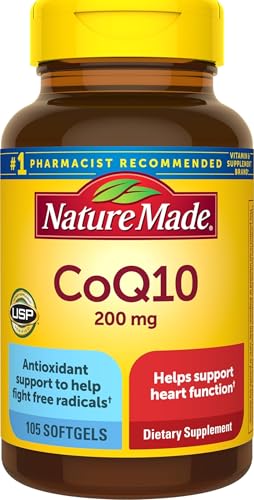
Coenzyme Q10 (CoQ10), particularly in its ubiquinol form, is well-known for its role in cellular energy production and antioxidant activity. Beyond its established cardiovascular connections, there’s growing interest in how CoQ10 might support gum health and potentially complement conventional periodontal treatment strategies.
Understanding Periodontal Disease and Inflammation
Periodontal disease is characterized by inflammation of the gums, which can progress to affect the bone supporting the teeth. This inflammatory process is often initiated by bacterial plaque accumulation. Untreated, it can lead to gum recession, tooth mobility, and even tooth loss. The body’s inflammatory response plays a significant role in the progression of this condition.
Micronutrient status can influence the severity and progression of periodontal disease, as well as the effectiveness of periodontal therapy. Nutritional deficiencies may impact the body’s ability to respond to inflammation and repair tissues [1]. Maintaining adequate nutritional support is therefore an important aspect of overall oral health.
CoQ10’s Role in Cellular Function and Antioxidant Activity
CoQ10 is a naturally occurring compound found in nearly every cell in the human body. It plays a crucial role in the electron transport chain, a process vital for cellular energy production. Beyond its energy-generating functions, CoQ10 also acts as a powerful antioxidant, helping to neutralize free radicals that can cause cellular damage [2].

The antioxidant properties of CoQ10 are particularly relevant in inflammatory conditions like periodontal disease, where oxidative stress can contribute to tissue damage. By supporting cellular energy and offering antioxidant protection, CoQ10 may help maintain cellular integrity and function, which is important for healthy tissues like those in the gums.
Exploring CoQ10 and Gum Health: Early Research
Early research began exploring the connection between CoQ10 and periodontal health in the 1990s. Some studies from this period investigated whether CoQ10 supplementation could offer beneficial effects in individuals with periodontal disease [3][4]. These initial explorations suggested that CoQ10 might have a role in supporting gum tissue health, though the exact mechanisms and clinical significance required further investigation.
The concept was that CoQ10, with its roles in energy metabolism and as an antioxidant, could potentially support the metabolic processes within gum tissues and help mitigate the oxidative stress associated with periodontal inflammation. This laid the groundwork for subsequent studies to examine its adjunctive use.
CoQ10 as an Adjunctive Therapy: What Recent Reviews Suggest
More recent systematic reviews have synthesized the available evidence on CoQ10’s role as an adjunctive therapy in non-surgical periodontal treatment. One such review from 2025 indicated that the adjunctive use of CoQ10 alongside conventional non-surgical periodontal treatment may offer clinical efficacy [5]. This suggests that while CoQ10 is not a standalone solution, it might complement standard dental procedures.
It’s important to understand that ‘adjunctive’ means CoQ10 is used in addition to, not in place of, established periodontal therapies such as scaling and root planing. The findings suggest that when used together, CoQ10 could potentially enhance the outcomes observed with traditional treatments, although the strength of evidence and consistency across studies can vary.

The delivery method of CoQ10 can also influence its effectiveness. Research has explored novel carriers for CoQ10 delivery to improve its absorption and bioavailability, which could be important for maximizing any potential benefits [6].
Considerations for CoQ10 Supplementation in Midlife
As individuals age, natural CoQ10 levels in the body can sometimes decline. This decline may be influenced by various factors, including certain health conditions and medications [7]. For women in midlife and menopause, understanding their CoQ10 status and considering supplementation, particularly with the more bioavailable ubiquinol form, might be relevant for overall cellular health.
When considering CoQ10 for gum health, it’s crucial to remember that it is intended as a supportive measure. It does not replace the need for diligent oral hygiene practices, regular dental check-ups, and professional periodontal treatment. Any decision to incorporate CoQ10 should be made in consultation with a healthcare provider or dentist, who can offer personalized guidance based on individual health needs and existing conditions.

References
- Effect of micronutrient malnutrition on periodontal disease and periodontal therapy. Periodontology 2000, 2018
- Role of coenzyme Q(10) as an antioxidant and bioenergizer in periodontal diseases. Indian journal of pharmacology, 2010
- Coenzyme Q10 and periodontal disease. British dental journal, 1995
- Coenzyme Q10 and periodontal treatment: is there any beneficial effect?. British dental journal, 1995
- Clinical efficacy of adjunctive use of coenzyme Q10 in non-surgical periodontal treatment: A systematic review. European journal of oral sciences, 2025
- Novel Carriers for Coenzyme Q10 Delivery. Current drug delivery, 2016
- Depletion and Supplementation of Coenzyme Q10 in Secondary Deficiency Disorders. Frontiers in bioscience (Landmark edition), 2022
These statements have not been evaluated by the Food and Drug Administration. This information is not intended to diagnose, treat, cure, or prevent any disease. Content is for informational purposes only and is not medical advice; consult a qualified healthcare provider before starting any supplement. As an Amazon Associate we earn from qualifying purchases.