As women navigate midlife and menopause, understanding cellular processes that influence healthy aging becomes increasingly relevant. Among these are sirtuins, a family of proteins that play a role in various cellular functions, including metabolism and DNA repair. Their activity is often explored in the context of cellular longevity.
Coenzyme Q10 (CoQ10), particularly in its ubiquinol form, is a compound vital for mitochondrial function and energy production. While research is still emerging, there’s growing interest in how CoQ10 might interact with sirtuin pathways, offering a potential area of focus for supporting cellular health. It’s important to note that the evidence linking CoQ10 directly to activating sirtuin pathways for anti-aging effects in humans is currently limited.
Understanding Sirtuins: Key Players in Cellular Regulation
Sirtuins are a group of proteins that function as deacetylases, meaning they remove acetyl groups from other proteins. This activity can influence a wide range of cellular processes, including gene expression, metabolism, and stress responses. They are often referred to as ‘longevity genes’ in popular discussions due to their involvement in cellular pathways that have been linked to healthy aging in various organisms.
There are seven known sirtuins in mammals, each with distinct cellular locations and functions. For example, SIRT1, one of the most studied sirtuins, is primarily found in the nucleus and plays a role in regulating gene expression in response to cellular stress and nutrient availability. Maintaining healthy sirtuin activity is considered important for overall cellular well-being.
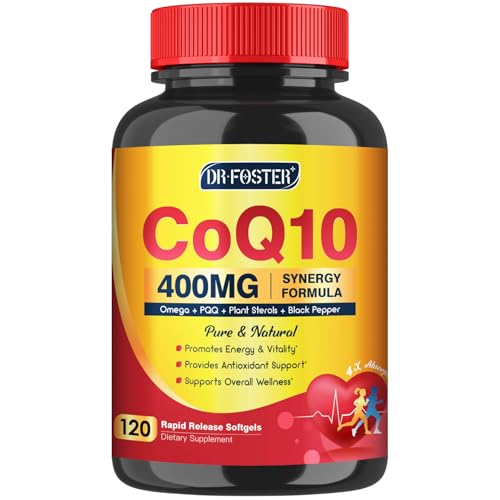
CoQ10’s Role in Mitochondrial Health and Energy Production
CoQ10 is a naturally occurring compound found in every cell of the body. It is critical for the electron transport chain within mitochondria, where it participates in the production of adenosine triphosphate (ATP), the primary energy currency of cells. Without sufficient CoQ10, mitochondrial energy production can be compromised [1].
Beyond its role in energy production, CoQ10 also functions as an antioxidant, helping to protect cells from damage caused by free radicals. This dual role in energy metabolism and antioxidant defense highlights its importance for maintaining overall cellular health, particularly in energy-intensive organs like the heart, brain, and ovaries [2].

Exploring the Connection: CoQ10 and Sirtuin Pathways
The relationship between CoQ10 and sirtuins is an area of ongoing scientific exploration. Some research suggests that CoQ10 may play an indirect role in supporting sirtuin activity. For instance, adequate CoQ10 levels are considered important for maintaining mitochondrial function, and compromised mitochondrial function can potentially impact sirtuin activity [3]. The enzyme CLK-1, which is involved in CoQ10 biosynthesis, has also been identified as a mono-oxygenase and a member of the di-iron carboxylate protein family [4].

Preliminary studies have explored CoQ10’s potential to influence sirtuin pathways in specific contexts. For example, one study indicated that CoQ10, along with other compounds, might attenuate oxidative stress and apoptosis by potentially activating SIRT1 signaling [5]. Another study suggested that CoQ10, in combination with nicotinamide mononucleotide, could offer protection against fibroblast senescence induced by certain environmental factors [6]. These findings are from early-stage research and require further investigation to determine their relevance to human health and aging.
Mitochondrial Biogenesis and Sirtuins: A Potential Interplay
Mitochondrial biogenesis, the process by which new mitochondria are formed, is crucial for maintaining cellular energy levels and overall health. Sirtuins, particularly SIRT1, are known to be involved in regulating mitochondrial biogenesis [1]. Given CoQ10’s central role in mitochondrial function and energy production, it’s plausible that supporting CoQ10 levels could indirectly contribute to a cellular environment conducive to healthy mitochondrial biogenesis and, by extension, potentially support sirtuin activity.
Research indicates that mitochondrial dysfunction can have broad implications for cellular health and has been explored in the context of neuroprotection [7]. Maintaining robust mitochondrial function, partly supported by CoQ10, could therefore be seen as a foundational aspect of cellular health that may interact with pathways like those regulated by sirtuins. However, direct evidence of CoQ10 ‘activating’ sirtuin pathways in a way that directly translates to anti-aging benefits in humans is still limited and needs further research.

Emerging Research and Future Directions
The exploration of CoQ10 and sirtuin interactions is an active area of research, with studies often using various models to understand these complex relationships. For instance, the marine environmental microbiome has been shown to mediate physiological outcomes, including lifespan, in host nematodes, highlighting the intricate web of factors influencing biological aging [8][9]. While these studies don’t directly link CoQ10 to sirtuins in humans, they underscore the complexity of longevity pathways.
Future research will likely continue to explore the intricate connections between CoQ10, mitochondrial health, and sirtuin pathways, particularly in the context of human aging and midlife health. Understanding these interactions could offer insights into supporting cellular resilience, but it is important to approach these findings with a cautious and evidence-based perspective. The current evidence is limited, and more human studies are needed to draw definitive conclusions about the direct impact of CoQ10 on sirtuin-mediated anti-aging effects.
References
- Mitochondrial biogenesis: pharmacological approaches. Current pharmaceutical design, 2014
- Pharmacologic interventions targeting ovarian aging, cancer, and mitochondrial dysfunction: An updated evidence. Biochimica et biophysica acta. Molecular basis of disease, 2025
- Coenzyme Q10 deficiency can be expected to compromise Sirt1 activity. Open heart, 2022
- CLK-1/Coq7p is a DMQ mono-oxygenase and a new member of the di-iron carboxylate protein family. FEBS letters, 2001
- Attenuation of chromium (VI) and arsenic (III)-induced oxidative stress and hepatic apoptosis by phloretin, biochanin-A, and coenzyme Q10 via activation of SIRT1/Nrf2/HO-1/NQO1 signaling. Journal of biochemical and molecular toxicology, 2024
- Nicotinamide Mononucleotide and Coenzyme Q10 Protects Fibroblast Senescence Induced by Particulate Matter Preconditioned Mast Cells. International journal of molecular sciences, 2022
- Mitochondrial approaches for neuroprotection. Annals of the New York Academy of Sciences, 2008
- The marine environmental microbiome mediates physiological outcomes in host nematodes. BMC biology, 2024
- Multi-Omics Integrative Analysis to Reveal the Impacts of Shewanella algae on the Development and Lifespan of Marine Nematode Litoditis marina. International journal of molecular sciences, 2024
These statements have not been evaluated by the Food and Drug Administration. This information is not intended to diagnose, treat, cure, or prevent any disease. Content is for informational purposes only and is not medical advice; consult a qualified healthcare provider before starting any supplement. As an Amazon Associate we earn from qualifying purchases.