Navigating perimenopause often brings a range of physiological changes, and maintaining cardiovascular health becomes an increasingly important focus. For many women, this phase can coincide with shifts in blood pressure, making proactive strategies for wellness particularly relevant. Understanding various supportive approaches is key to empowering informed health decisions.
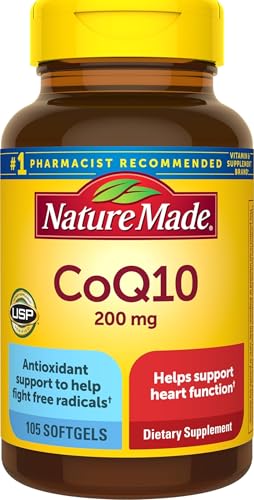
Coenzyme Q10 (CoQ10), particularly its active form ubiquinol, is a compound naturally present in the body that plays a role in cellular energy production and acts as an antioxidant. As women consider comprehensive approaches to well-being during perimenopause, exploring the potential connection between coq10 blood pressure management and overall cardiovascular support can be a valuable step.
Understanding Blood Pressure Changes in Midlife Women
As women enter perimenopause, hormonal fluctuations can influence various bodily systems, including the cardiovascular system. While blood pressure changes are a complex interplay of many factors, it’s a common area of health focus during this life stage. Adopting lifestyle strategies that support healthy blood pressure is often recommended.
Lifestyle modifications are a cornerstone of managing blood pressure. These can include dietary adjustments, regular physical activity, stress management techniques, and maintaining a healthy weight [1]. For some, nutritional supplementation, such as with CoQ10, may be explored as a complementary approach alongside these foundational practices.
The Role of CoQ10 in Cellular Function and Cardiovascular Health
CoQ10 is an essential compound found in nearly every cell in the body. Its primary roles include participating in the electron transport chain, which is crucial for cellular energy production, and acting as a powerful antioxidant [2]. These functions are fundamental to the health of all tissues, particularly those with high energy demands like the heart.

The heart muscle, in particular, requires a substantial amount of energy to function continuously, making adequate CoQ10 levels important for its efficient operation. As an antioxidant, CoQ10 helps to neutralize free radicals, which can contribute to oxidative stress in the body. Oxidative stress is implicated in various physiological processes, including those affecting cardiovascular health [3].
The reduced form of CoQ10, ubiquinol, is the active antioxidant form and is readily utilized by the body. Research has explored the stability of ubiquinol in human blood, indicating its availability for physiological processes [4].
CoQ10 and Blood Pressure: What the Research Suggests
A growing body of research has investigated the relationship between CoQ10 supplementation and blood pressure parameters. A systematic review and meta-analysis of randomized controlled trials specifically examined the effects of CoQ10 administration on blood pressure and heart rate in adults. This comprehensive analysis provides insights into the potential impact of CoQ10 on these cardiovascular markers [5].
The findings from such analyses suggest that CoQ10 administration may contribute to supporting healthy blood pressure levels in adults [5]. While not a substitute for medical intervention or established lifestyle strategies, these findings indicate a potential supportive role for CoQ10 within a broader cardiovascular wellness plan. Another study observed the effect of reduced CoQ10 (ubiquinol) supplementation on blood pressure in healthy individuals during intense physical training, suggesting a potential influence on cardiovascular responses [6].
The mechanisms through which CoQ10 may influence blood pressure are thought to involve its antioxidant properties and its role in improving endothelial function, which is critical for blood vessel health. By helping to mitigate oxidative stress, CoQ10 may contribute to the flexibility and health of blood vessels, which in turn can impact blood pressure regulation [2].

Integrating CoQ10 into a Perimenopausal Wellness Plan
For women in perimenopause focusing on cardiovascular health, incorporating CoQ10, particularly ubiquinol, might be considered as part of a holistic wellness strategy. This approach should always complement, rather than replace, established lifestyle recommendations for blood pressure management, such as a balanced diet, regular exercise, and stress reduction [1].
When considering CoQ10 supplementation, it’s helpful to understand that ubiquinol is the reduced, active form of CoQ10, which may offer enhanced bioavailability compared to the oxidized form, ubiquinone. This means the body may be able to utilize ubiquinol more readily to support its various functions.
Discussing any new supplement with a healthcare provider is always recommended, especially when managing existing health conditions or taking other medications. A healthcare professional can offer personalized guidance on dosage and suitability, ensuring it aligns with individual health needs and goals.

References
- Nonpharmacologic strategies for managing hypertension. American family physician, 2006
- Coenzyme Q(10) and Cardiovascular Diseases. Antioxidants (Basel, Switzerland), 2021
- Antioxidants: powering the fight against fetal hypoxia. Philosophical transactions of the Royal Society of London. Series B, Biological sciences, 2025
- Stability of ubiquinol-10 (reduced form of coenzyme Q10 ) in human blood. Biomedical chromatography : BMC, 2016
- Effects of coenzyme Q10 administration on blood pressure and heart rate in adults: A systematic review and meta-analysis of randomized controlled trials. International journal of cardiology. Cardiovascular risk and prevention, 2025
- Effect of reduced coenzyme Q10 (ubiquinol) supplementation on blood pressure and muscle damage during kendo training camp: a double-blind, randomized controlled study. The Journal of sports medicine and physical fitness, 2015
These statements have not been evaluated by the Food and Drug Administration. This information is not intended to diagnose, treat, cure, or prevent any disease. Content is for informational purposes only and is not medical advice; consult a qualified healthcare provider before starting any supplement. As an Amazon Associate we earn from qualifying purchases.