As women navigate the changes of midlife and menopause, maintaining energy levels and supporting muscle health often becomes a priority. Nutritional considerations can play a role in these efforts, and two compounds frequently discussed are Coenzyme Q10 (CoQ10), particularly in its ubiquinol form, and creatine.
This article will explore the current understanding of CoQ10 and creatine, examining how each may contribute to energy and muscle support, particularly for women experiencing hormonal shifts. We’ll look at what the available evidence suggests about their distinct functions and potential benefits.
Understanding CoQ10: A Closer Look at Energy Production
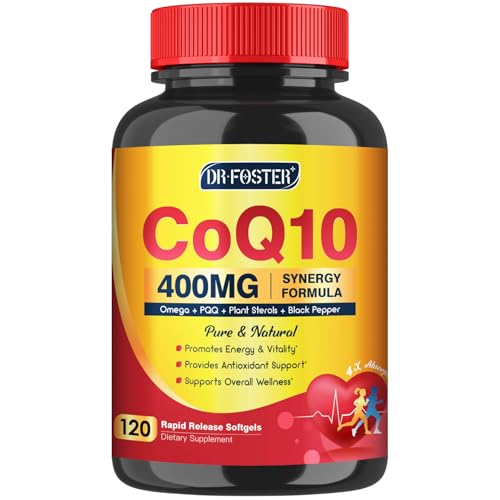
Coenzyme Q10 (CoQ10) is a compound naturally produced in the body and found in every cell. It plays a vital role in the mitochondria, often called the ‘powerhouses’ of cells, where it’s involved in the production of adenosine triphosphate (ATP), the body’s primary energy currency. As we age, natural CoQ10 levels can decline.
The ubiquinol form of CoQ10 is the active antioxidant form and is believed to be more readily absorbed by the body. While CoQ10’s role in cellular energy is fundamental, research on its direct impact on perceived energy levels or muscle function in healthy individuals, particularly women in midlife, is an area of ongoing exploration. Some studies have investigated CoQ10 in specific health contexts, such as its role in reperfusion damage, where intravenous and intracoronary CoQ10 has been explored [1]. Another study looked at mitochondrial transplantation combined with mitoquinone and melatonin as a strategy against myocardial reperfusion injury in aged rats [2].
It’s important to note that while CoQ10 is essential for energy at a cellular level, its impact on broader ‘energy’ as experienced in daily life can be nuanced and may not be universally felt by all individuals, especially those without existing CoQ10 deficiencies.

Creatine: Supporting Muscle Function and Performance
Creatine is another naturally occurring compound, primarily found in muscle cells. It plays a key role in providing quick bursts of energy to muscles, particularly during high-intensity, short-duration activities. Creatine helps regenerate ATP rapidly, which is crucial for muscle contraction and strength. The body produces some creatine, and it can also be obtained through dietary sources like red meat [3].
For women in midlife, supporting muscle mass and strength can be particularly relevant due to age-related muscle changes. While some research on creatine has focused on athletic populations, its potential role in supporting muscle function in other groups is also being explored. For instance, L-Leucine supplementation combined with resistance training has been investigated for its effects on adipokine markers in untrained perimenopausal and postmenopausal women [4]. While this study doesn’t directly address creatine, it highlights an interest in nutritional support for muscle health in this demographic.
The primary mechanism of creatine relates to its ability to enhance the phosphocreatine system, allowing muscles to sustain intense efforts for longer periods. This can translate to improved performance in activities requiring strength and power. However, individual responses to creatine supplementation can vary.

Comparing CoQ10 and Creatine: Distinct Roles
When considering ‘coq10 vs creatine’ for energy and muscle support, it’s helpful to understand their distinct mechanisms. CoQ10 is fundamental to the continuous, aerobic production of ATP within the mitochondria, supporting overall cellular energy processes. Creatine, on the other hand, is primarily involved in the rapid, anaerobic regeneration of ATP for short, intense bursts of muscle activity.
A study involving patients with chronic obstructive pulmonary disease (COPD) and chronic respiratory failure explored the effects of a nutraceutical diet integration, including both CoQ10 (Q-Ter multicomposite) and creatine. This integration was investigated for its potential impact on dyspnea, exercise tolerance, and quality of life in this specific population [5]. This particular research highlights that some specific health contexts might explore the combined or individual roles of these compounds for certain outcomes, but this is a specialized application and not generalizable to healthy midlife women for general energy and muscle support.
For healthy midlife women, the choice between CoQ10 and creatine, or whether to consider both, would depend on individual needs and goals. If the focus is on supporting general cellular energy pathways, CoQ10 might be considered. If the goal is to enhance muscle strength and power for resistance training or similar activities, creatine might be more directly relevant to those specific outcomes.

Considerations for Midlife Women
Midlife and menopausal transitions bring various physiological changes. Hormonal shifts can influence energy levels, muscle mass, and overall well-being. Lifestyle factors, including diet and exercise, play a significant role during this time. For example, dietary habits, nutritional status, and lifestyle in menopausal women in Spain have been studied [6].
While specific research directly comparing CoQ10 and creatine for general ‘energy’ and ‘muscle support’ in healthy midlife women is limited, understanding their individual functions can help inform personal choices. For instance, maintaining muscle mass is a key aspect of healthy aging, and interventions like resistance training are known to be beneficial, sometimes explored alongside nutritional support like L-Leucine [4].
The decision to incorporate either CoQ10 or creatine should align with individual health goals, current activity levels, and dietary patterns. It’s always advisable to consider a holistic approach to health during midlife, encompassing balanced nutrition, regular physical activity, and adequate rest.
References
- Reperfusate composition: supplemental role of intravenous and intracoronary coenzyme Q10 in avoiding reperfusion damage. The Journal of thoracic and cardiovascular surgery, 1986
- Mitochondrial transplantation combined with mitoquinone and melatonin: A survival strategy against myocardial reperfusion injury in aged rats. Experimental physiology, 2025
- Relationship between Beef Quality and Bull Breed. Animals : an open access journal from MDPI, 2023
- Effects of L-Leucine Supplementation and Resistance Training on Adipokine Markers in Untrained Perimenopausal and Postmenopausal Women. Journal of strength and conditioning research, 2024
- Effects of nutraceutical diet integration, with coenzyme Q10 (Q-Ter multicomposite) and creatine, on dyspnea, exercise tolerance, and quality of life in COPD patients with chronic respiratory failure. Multidisciplinary respiratory medicine, 2013
- [Dietary food habits, nutritional status and lifestyle in menopausal women in Spain]. Nutricion hospitalaria, 2007
These statements have not been evaluated by the Food and Drug Administration. This information is not intended to diagnose, treat, cure, or prevent any disease. Content is for informational purposes only and is not medical advice; consult a qualified healthcare provider before starting any supplement. As an Amazon Associate we earn from qualifying purchases.