Ready to buy? Check current prices on Amazon and compare deals before you decide.
Navigating perimenopause often brings new challenges, and changes in energy levels and increased fatigue are common experiences for many women. As the body undergoes hormonal shifts, many seek ways to support their vitality and well-being.
This article explores two popular supplements, CoQ10 (ubiquinol) and Maca Root, often discussed for their potential roles in supporting energy. We’ll examine what is currently understood about each, particularly in the context of perimenopausal fatigue, and highlight the limitations of current evidence.
Understanding Perimenopausal Fatigue
Perimenopause is a transitional phase leading up to menopause, characterized by fluctuating hormone levels, primarily estrogen and progesterone. These hormonal shifts can contribute to a range of symptoms, including hot flashes, sleep disturbances, mood changes, and notably, feelings of persistent tiredness or fatigue.
Fatigue during this time can be multifaceted, influenced by disrupted sleep patterns, the body’s metabolic adjustments, and the emotional toll of managing other symptoms. Many women look for ways to gently support their energy without relying on stimulants.
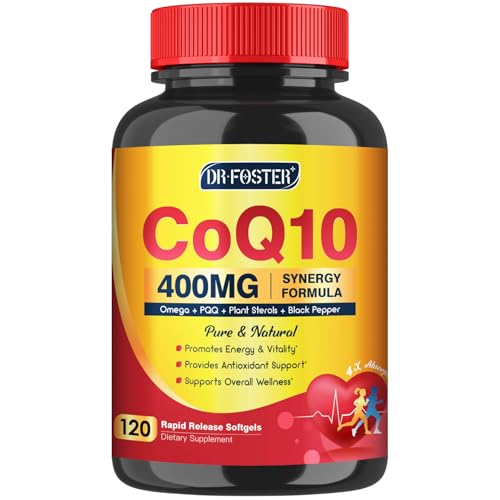
CoQ10 (Ubiquinol) and Energy Support
CoQ10, or coenzyme Q10, is a compound naturally produced in the body and stored in the mitochondria of cells.[1] It plays a crucial role in cellular energy production, specifically in the process of generating adenosine triphosphate (ATP), the body’s main energy currency. It also functions as an antioxidant, helping to protect cells from oxidative stress.
As we age, the natural production of CoQ10 can decline.[2] The ubiquinol form is the active antioxidant form of CoQ10, which may be more readily absorbed by the body. While CoQ10 is vital for general cellular energy, direct research on its specific impact on perimenopausal fatigue is limited. However, its fundamental role in energy metabolism suggests a potential, indirect support for overall vitality.
It’s important to note that while CoQ10 is essential for energy production, the idea that supplementing it directly translates to a noticeable boost in energy for healthy individuals, especially specifically for perimenopausal fatigue, requires more dedicated research.


Maca Root and Potential for Vitality
Maca Root (Lepidium meyenii) is a plant native to the Andes mountains of Peru, traditionally used for its nutritional and purported health benefits. It is often consumed as a food and has gained popularity as a supplement, particularly for its potential to support energy, stamina, and hormonal balance.
Maca is considered an adaptogen, meaning it may help the body adapt to stress. While anecdotal reports and traditional use suggest it could support energy levels and reduce feelings of fatigue, the scientific evidence specifically linking Maca Root to improved energy or reduced fatigue in perimenopausal women is still developing and considered limited.

Maca does not contain hormones itself but is thought to potentially influence the endocrine system, which could indirectly impact mood and energy. However, the exact mechanisms are not fully understood, and more robust clinical studies are needed to confirm these effects, particularly in the context of perimenopause.
CoQ10 vs. Maca: A Comparison for Perimenopausal Energy
When considering CoQ10 vs. Maca for energy and fatigue during perimenopause, it’s helpful to look at their distinct roles. CoQ10 is fundamental to cellular energy production within every cell, a foundational element of vitality. Maca, on the other hand, is often discussed in terms of its adaptogenic properties and potential influence on the body’s stress response and hormonal balance, which could then indirectly affect energy.
The current evidence base for both supplements directly addressing perimenopausal fatigue is limited. Neither has been definitively proven to alleviate fatigue specifically in this population. CoQ10’s role is more about supporting fundamental cellular processes, while Maca’s potential benefits are often attributed to a broader adaptogenic effect.
Choosing between them, or considering them together, depends on individual needs and what aspect of energy support is prioritized. For foundational cellular energy support, CoQ10 might be considered. For a broader adaptogenic approach that might indirectly support energy and mood, Maca might be explored. However, it is crucial to manage expectations regarding immediate or dramatic effects, given the current research landscape.
References
- Clinical applications of coenzyme Q10. Frontiers in Bioscience (Landmark Edition) (2014). PMID 24389208
- Coenzyme Q10 supplementation – in ageing and disease. Mechanisms of Ageing and Development (2021). PMID 34129891
These statements have not been evaluated by the Food and Drug Administration. This information is not intended to diagnose, treat, cure, or prevent any disease. Content is for informational purposes only and is not medical advice; consult a qualified healthcare provider before starting any supplement. As an Amazon Associate we earn from qualifying purchases.