Ready to buy? Check current prices on Amazon and compare deals before you decide.
Navigating midlife and menopause often brings a focus on supporting overall well-being. Coenzyme Q10 (CoQ10), particularly in its ubiquinol form, is a compound that naturally occurs in the body and plays a role in cellular energy production.
Many women consider supplementation, and a common question arises: when is the best time to take CoQ10 to potentially maximize its absorption and effectiveness? While research specifically on optimal timing for women in midlife is limited, we can explore general considerations for CoQ10 supplementation.
Understanding CoQ10 Absorption and Bioavailability
CoQ10 is a fat-soluble compound, meaning it dissolves in fats and oils. This characteristic is important because it influences how the body absorbs it. Unlike water-soluble vitamins that can be taken on an empty stomach, fat-soluble nutrients generally benefit from being consumed with a meal containing some dietary fat.
The ubiquinol form of CoQ10 is often highlighted for its potentially superior bioavailability compared to ubiquinone, especially as we age. This means that the body may absorb and utilize ubiquinol more readily. However, even with ubiquinol, the presence of dietary fat can play a role in its absorption profile.


General Recommendations: Taking CoQ10 with Food
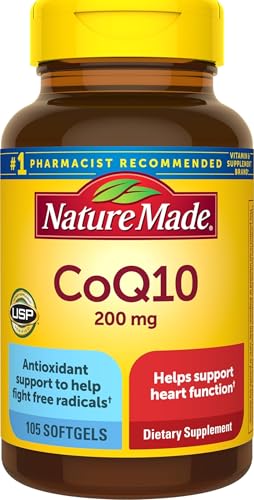
Given CoQ10’s fat-soluble nature, a general recommendation for supplementation is to take it with a meal that includes some fat. This approach is thought to enhance its absorption into the bloodstream. A meal containing healthy fats, such as those found in avocados, nuts, seeds, or olive oil, could be beneficial.
Some individuals prefer to take their CoQ10 supplement with their largest meal of the day, which often contains the most fat. Others may opt to split their daily dose, taking half with breakfast and half with dinner, again alongside food. The goal is to provide a suitable environment for the CoQ10 to be absorbed.
Morning vs. Evening: Is There an Optimal Time?
For many supplements, the specific time of day can influence their effects. However, for CoQ10, there is no strong evidence to suggest a definitively ‘best’ time of day (morning versus evening) that universally applies to all individuals, particularly for women in midlife. The primary consideration remains taking it with food to aid absorption.
Some individuals report that taking CoQ10 in the morning or early afternoon works well for them, while others find no difference with evening intake. If you are taking other medications or supplements, it might be prudent to discuss timing with a healthcare professional to avoid potential interactions, although CoQ10 is generally well-tolerated.

Consistency is Key for Potential Benefits
More important than the precise minute you take your CoQ10 supplement each day is the consistency of your intake. CoQ10 is not a compound that provides immediate effects; its potential benefits are generally observed over time with regular supplementation. Establishing a routine helps ensure you don’t miss doses and allows your body to maintain consistent levels.
Developing a habit, such as taking it with a specific meal each day, can help maintain consistency. The sustained presence of CoQ10 in your system is likely more significant than whether it’s taken at 8 AM versus 10 AM, as long as it’s absorbed effectively.
What We Don’t Know Yet: Specific Timing for Midlife Women
It’s important to acknowledge that specific research on the optimal timing of CoQ10 supplementation tailored to the unique physiological changes experienced by women in midlife and during menopause is limited. While general absorption principles apply, more targeted studies could provide valuable insights.
Factors like hormonal fluctuations, changes in metabolism, and individual lifestyle variations during midlife might subtly influence CoQ10 utilization. However, without specific evidence, current recommendations focus on general absorption principles and consistent intake.
These statements have not been evaluated by the Food and Drug Administration. This information is not intended to diagnose, treat, cure, or prevent any disease. Content is for informational purposes only and is not medical advice; consult a qualified healthcare provider before starting any supplement. As an Amazon Associate we earn from qualifying purchases.