Coenzyme Q10 (CoQ10), particularly its ubiquinol form, is widely recognized for its role in cellular energy production. However, as research progresses, scientists are exploring its potential connections to other bodily systems, including the gut.
For women navigating midlife and menopause, understanding these broader areas of research can be valuable. This article will explore the limited but emerging evidence regarding CoQ10’s potential intersections with gut health and digestion, emphasizing that much remains to be understood.
The Gut Microbiome: A Complex Ecosystem
The human gut is home to trillions of microorganisms, collectively known as the gut microbiome. This complex ecosystem plays a significant role in various bodily functions, including digestion and immune system support. A balanced gut microbiome is often associated with overall well-being.
Disruptions in the gut microbiome have been associated with various health conditions. For example, a perturbed gut microbiome has been linked to the severity of chronic kidney disease [1]. Similarly, dysfunctional gut microbiome networks have been observed in childhood IgE-mediated food allergy [2]. Research also suggests that the gut microbiome may mediate resistance mechanisms in conditions like colorectal cancer development [3][4].
Mitochondrial Function and Gut Health
Mitochondria, often called the ‘powerhouses’ of cells, are crucial for energy production. CoQ10 is a vital component of the electron transport chain within mitochondria. Emerging research suggests a connection between mitochondrial function and gut health.

Some studies have explored biomarkers of mitochondrial dysfunction in conditions like autism spectrum disorder [5], where gut microbiota markers are also being investigated [6]. While this doesn’t directly link CoQ10 to gut health, it highlights the broader interest in mitochondrial health’s role in complex conditions that may involve gut aspects. The estrogen-related receptor alpha (ESRRA) is also noted as a regulator of intestinal homeostasis, potentially through activating autophagic flux via gut microbiota [7].
CoQ10 and Antioxidant Activity in the Gut
CoQ10, particularly ubiquinol, is a lipid-soluble antioxidant. Antioxidants help protect cells from damage caused by free radicals. While the stability of ubiquinol has been studied in various contexts, including dog studies [8], its direct antioxidant role within the human gut environment and its specific impact on the gut microbiome are areas that require more dedicated research.
The gut environment is dynamic, with various factors influencing cellular health. Understanding how CoQ10’s antioxidant properties might influence the gut lining or the microbial balance is an area of ongoing scientific exploration, though specific studies directly addressing this are limited.


Oral and Gastric Microbiome Considerations
Beyond the lower gut, the oral and gastric microbiomes also play roles in digestion and overall health. Research has investigated the oral and gastric microbiome in relation to conditions like gastric intestinal metaplasia [9].
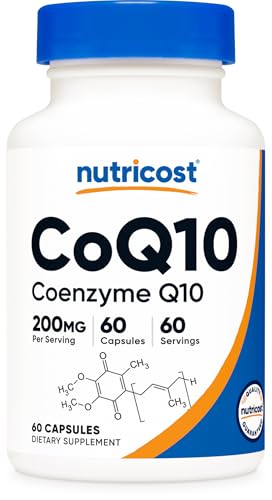
While CoQ10 is absorbed in the digestive tract, its direct influence on the microbial communities in the mouth or stomach has not been extensively documented in published research. Further research would be needed to understand any specific interactions CoQ10 might have with these early stages of the digestive system’s microbial populations.
What the Research Doesn’t Yet Show
It is important to emphasize that while there are intriguing connections between mitochondrial function, the gut microbiome, and overall health, direct, robust evidence specifically demonstrating that CoQ10 supplementation significantly impacts gut health or digestion in humans is currently very limited. The published research points to broader associations between gut and mitochondrial health, but does not establish CoQ10 as a direct modifier of gut health outcomes.
Published research so far focuses on the gut microbiome’s role in various conditions, the importance of mitochondrial function, and the general properties of CoQ10. However, studies testing CoQ10’s direct effects on the gut microbiome composition, diversity, or digestive function in people, whether they are healthy or have specific gut concerns, have not been published. More dedicated research is needed to draw definitive conclusions.
References
- Perturbed gut microbiome and fecal and serum metabolomes are associated with chronic kidney disease severity. Microbiome, 2023
- Dysfunctional Gut Microbiome Networks in Childhood IgE-Mediated Food Allergy. International journal of molecular sciences, 2021
- Gut Microbiome Mediates Ferroptosis Resistance for Colorectal Cancer Development. Cancer research, 2024
- Gut microbial metabolite facilitates colorectal cancer development via ferroptosis inhibition. Nature cell biology, 2024
- Biomarkers of mitochondrial dysfunction in autism spectrum disorder: A systematic review and meta-analysis. Neurobiology of disease, 2024
- Multikingdom and functional gut microbiota markers for autism spectrum disorder. Nature microbiology, 2024
- ESRRA (estrogen related receptor alpha) is a critical regulator of intestinal homeostasis through activation of autophagic flux via gut microbiota. Autophagy, 2021
- The Instability of the Lipid-Soluble Antioxidant Ubiquinol: Part 2-Dog Studies. Integrative medicine (Encinitas, Calif.), 2021
- Oral and gastric microbiome in relation to gastric intestinal metaplasia. International journal of cancer, 2022
These statements have not been evaluated by the Food and Drug Administration. This information is not intended to diagnose, treat, cure, or prevent any disease. Content is for informational purposes only and is not medical advice; consult a qualified healthcare provider before starting any supplement. As an Amazon Associate we earn from qualifying purchases.