Before reaching for a supplement bottle, it’s worth understanding how much CoQ10 diet alone actually provides, and why most people who want a meaningful intake still can’t get there through food.
The Richest Food Sources
A comprehensive review of CoQ10 content across food categories found that meat, fish, nuts, and certain oils are the richest dietary sources, while dairy, most vegetables, fruits, and cereals contain much lower amounts [1]. Organ meats stand out specifically: beef heart and chicken heart are among the highest-CoQ10 foods tested, in the range of roughly 9 to 12 mg per 100 grams, because heart tissue is metabolically active and mitochondria-dense.
Fatty Fish as a Secondary Source
Oily fish, particularly mackerel, sardines, salmon, and trout, provide meaningfully more CoQ10 than lean proteins, typically in the range of roughly 1 to 7 mg per 100 grams depending on the species and preparation. These same fish also supply omega-3 fatty acids, which is part of why fatty fish shows up so often in cardiovascular-focused dietary guidance independent of its CoQ10 content.

Why Diet Alone Rarely Gets You There
The same review found that average dietary CoQ10 intake across most diets is only about 3 to 6 mg per day, with roughly half already in the reduced ubiquinol form [1]. Compare that to the 100 to 300 mg daily doses used in most clinical trials, including Q-SYMBIO’s 300 mg/day (100 mg three times daily) protocol, and the gap becomes clear: someone would need to eat several servings of organ meat and fatty fish every single day to approach even a fraction of a typical supplemental dose.
A Practical Takeaway
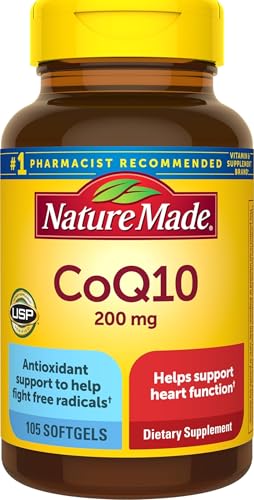
Food-based CoQ10 is real and worth including as part of an overall nutrient-dense diet, particularly organ meats and fatty fish for people who eat them. But for anyone targeting the doses actually studied in clinical research, whether for statin-related depletion or cardiovascular support, diet is a complement to supplementation, not a substitute for it. Plant-based eaters in particular should be aware that reliable dietary CoQ10 sources are almost entirely animal-based, with legumes, nuts, and seeds providing only modest amounts by comparison.

Why Published Food Values Disagree With Each Other
Anyone comparing two food tables for this nutrient will find the figures do not match, and the disagreement is real rather than sloppy. Content varies with the specific cut or species, with how the animal or fish was raised and fed, with whether the sample was fresh or stored, and with the laboratory method used to measure it. Cooking adds another layer, since a fat-soluble compound can migrate into cooking fat that may or may not end up on the plate.
The practical consequence is that food values are best read as a ranking rather than as a precise amount. Which categories are richer and which are negligible is consistent across sources and is the durable finding. A single decimal figure for one food is a measurement of one sample, and building a daily intake plan on that level of precision reads more confidence into the data than it can carry.
Where Plant Foods Fit, and What That Means for Plant-Based Eaters
The richer sources are overwhelmingly animal foods, so someone eating no meat or fish is drawing on the lower end of the range: some legumes, nuts, seeds and certain vegetable oils, which contribute modestly rather than negligibly. Typical intake on a plant-based pattern is therefore likely to sit lower than on a diet including organ meats and oily fish.
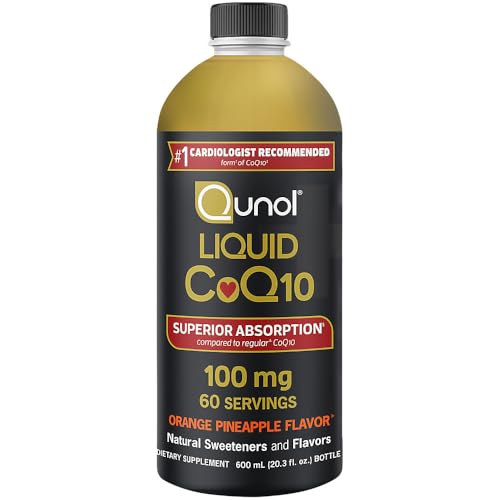
That is a statement about intake, not a diagnosis, and it should not be read as implying a deficiency. Because the body makes most of its own supply, lower dietary intake does not translate directly into a shortfall. Anyone who does choose a supplement for this reason has a separate practical detail to check, since softgels are commonly made with gelatin and a vegetarian or vegan capsule has to be sought out specifically.
Can I meet a supplemental dose through food if I plan carefully?
Realistically no, for the reason the section above describes: the gap between typical dietary intake and the amounts used in studies is wide enough that food is best treated as a contribution rather than a replacement.
Does cooking destroy the CoQ10 in food?
It is one of several reasons measured values differ between sources. Because the compound is fat-soluble, some can move into cooking fat, so preparation affects how much reaches the plate as well as how much the raw ingredient held.
References
- Coenzyme Q10 contents in foods and fortification strategies. Nutrition reviews, 2010
These statements have not been evaluated by the Food and Drug Administration. This information is not intended to diagnose, treat, cure, or prevent any disease. Content is for informational purposes only and is not medical advice; consult a qualified healthcare provider before starting any supplement. As an Amazon Associate we earn from qualifying purchases.