Coenzyme Q10 (CoQ10) is a fat-soluble compound found in virtually every cell of the human body, where it plays a central role in energy production and acts as a potent antioxidant. Unlike many nutrients, the body synthesizes most of its own CoQ10, which means dietary sources contribute a smaller proportion of total body levels than is the case with vitamins or minerals. That said, understanding which foods high in CoQ10 exist, and how dietary choices can support overall CoQ10 status, remains genuinely useful, particularly for people whose natural production may be declining or impaired.
How Much CoQ10 Can You Realistically Get From Food?
Before listing specific sources, it is worth setting realistic expectations. A comprehensive review of measured CoQ10 levels in food put the average dietary intake at just 3 to 6 mg per day, with about half of it already in the reduced form[1]. A separate analysis of the Danish national diet arrived at 3 to 5 mg per day, with 64 percent of it coming from meat and poultry[2]. For context, clinical supplement trials commonly use doses of 100 to 600 mg daily. This gap between dietary intake and supplemental doses is significant, and it means food sources alone are unlikely to replicate the effects studied in clinical research. What dietary CoQ10 can do is contribute meaningfully to baseline status, especially when the body’s own synthesis is under pressure.
Top Foods High in CoQ10
CoQ10 is found in measurable amounts across a wide variety of animal and plant foods, though concentrations vary considerably. Because CoQ10 is fat-soluble, it tends to be most concentrated in tissues with high metabolic activity, particularly organ meats, muscle meats, and oily fish.
Organ Meats
Heart, liver, and kidney are consistently the richest dietary sources of CoQ10. The published food-composition review ranks meat, fish, nuts and some oils as the richest categories overall, with much lower levels in dairy products, vegetables, fruit and cereals[1]. Animal hearts, in particular, are high-demand metabolic tissues and reflect this in their CoQ10 content. Beef heart and pork heart rank among the most concentrated food sources available. Liver and kidney also provide notable amounts, though somewhat less than heart tissue. If organ meats are part of your diet, even occasional consumption can make a meaningful contribution to daily CoQ10 intake.
Muscle Meats
Beef, pork, and chicken provide moderate amounts of CoQ10. Beef tends to rank higher than poultry, and darker cuts of meat generally contain more than lean white cuts, reflecting differences in mitochondrial density. Pork is a reasonable source as well, particularly in cuts like loin and shoulder.
Fatty Fish and Seafood
Oily fish such as sardines, mackerel, and herring are among the better non-meat sources of CoQ10. Salmon and tuna also contribute useful amounts. Beyond CoQ10 content, these foods provide omega-3 fatty acids, which support mitochondrial membrane health and may have indirect benefits for cellular energy metabolism.
Nuts and Seeds
Among plant foods, peanuts and sesame seeds stand out as relatively good sources of CoQ10. Pistachios and walnuts also contribute smaller amounts. Because plant-based CoQ10 concentrations are considerably lower than those in animal products, achieving meaningful intake from nuts alone requires consistent, substantial consumption.

Vegetables and Legumes
Spinach, broccoli, and cauliflower contain trace amounts of CoQ10. Soybeans and soybean products like tofu and miso provide modest contributions and are among the more relevant plant-based options. These foods are not significant sources in absolute terms, but they contribute to overall intake in predominantly plant-based diets.
Vegetable Oils
Soybean oil and canola oil contain small amounts of CoQ10 and may contribute to intake depending on cooking habits. Olive oil also contains trace quantities.
| Food | Category | Relative CoQ10 Level | Notes |
|---|---|---|---|
| Beef heart | Organ meat | Very High | Highest among common foods |
| Pork heart | Organ meat | Very High | Comparable to beef heart |
| Beef liver | Organ meat | High | Also rich in B vitamins |
| Sardines | Fatty fish | Moderate-High | Good non-organ option |
| Mackerel | Fatty fish | Moderate-High | Widely available oily fish |
| Beef (muscle) | Red meat | Moderate | Darker cuts rank higher |
| Peanuts | Legume/nut | Low-Moderate | Best plant-based option |
| Sesame seeds | Seed | Low-Moderate | Easy to add to meals |
| Spinach | Vegetable | Low | Trace amounts only |
| Soybeans / tofu | Legume | Low | Best option for vegans |
Dietary Factors That Support CoQ10 Synthesis
Because the body manufactures most of its CoQ10 internally, dietary strategies that support endogenous synthesis are at least as important as consuming CoQ10-rich foods directly. The biosynthesis pathway for CoQ10 requires several micronutrients as cofactors, meaning that deficiencies in these nutrients can impair the body’s own production.
- B vitamins: Vitamins B2 (riboflavin), B3 (niacin), B6, B12, and folate all play roles in the CoQ10 synthesis pathway. Maintaining adequate intake through whole grains, legumes, eggs, and leafy greens supports this process.
- Vitamin C: As an antioxidant, vitamin C helps recycle CoQ10 from its oxidized form back to its active, reduced form (ubiquinol). Citrus fruits, bell peppers, and kiwi are strong sources.
- Selenium: This trace mineral is involved in antioxidant enzyme systems that interact with CoQ10 activity. Brazil nuts, seafood, and eggs are good dietary sources.
- Adequate protein and tyrosine: CoQ10 is synthesized from the amino acid tyrosine, so adequate protein intake from varied sources supports the raw materials needed for production.
- Healthy fat intake: Since CoQ10 is fat-soluble, consuming it alongside dietary fat significantly improves absorption. Taking CoQ10-rich foods or supplements with a meal containing fat is a practical strategy.
You can learn more about how CoQ10 functions at the cellular level and what the research says about its broader health applications on our benefits and science pages.
Who May Struggle to Get Enough CoQ10 From Diet Alone?
For most healthy adults, the combination of dietary intake and endogenous synthesis maintains adequate CoQ10 status. However, certain groups may find it harder to maintain optimal levels through food alone.
- Older adults: Natural CoQ10 synthesis declines with age, with studies suggesting levels may drop significantly from midlife onward. Dietary intake becomes proportionally more important, but the shortfall often exceeds what food can realistically replace.
- People taking statin medications: Statins inhibit the mevalonate pathway, which is shared by both cholesterol and CoQ10 biosynthesis. This is one of the most discussed areas of CoQ10 depletion, though the clinical significance remains debated among researchers.
- Vegans and vegetarians: Plant foods contain substantially less CoQ10 than animal products, and those who avoid organ meats and fatty fish have fewer high-content options available. Supporting endogenous synthesis through adequate B vitamin and micronutrient intake becomes especially important.
- People with certain chronic conditions: Conditions associated with increased oxidative stress or mitochondrial dysfunction may increase CoQ10 demand beyond what diet and normal synthesis can supply.
- Those with nutrient absorption issues: Fat malabsorption conditions can impair the uptake of fat-soluble compounds including CoQ10.
For a closer look at how CoQ10 supplementation compares to dietary approaches for specific health goals, visit our research and evidence section.
How Do Dietary Sources Compare to Supplements?
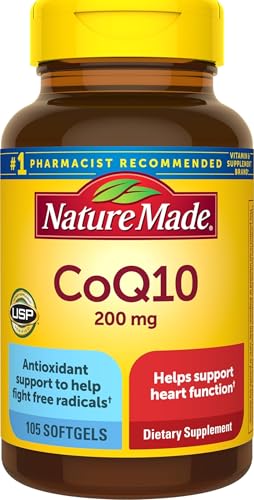
This is an honest and important question. The gap between dietary CoQ10 intake (roughly 3 to 6 mg per day for most people) and the doses used in clinical research (often 100 mg or more) is substantial. Food sources alone are very unlikely to produce the tissue-level changes that some supplement studies have reported. That does not make dietary CoQ10 irrelevant, but it does mean that people pursuing specific health goals based on clinical evidence may need to consider supplementation.
Bioavailability is another factor. CoQ10 from food is absorbed with roughly similar mechanisms to supplemental CoQ10, meaning fat co-consumption improves uptake in both cases. A randomized crossover study that gave 30 mg of CoQ10 either in a meal or as capsules found the peak serum concentrations did not differ significantly between the two[3]. Some supplement formulations (particularly ubiquinol forms or liposomal preparations) are designed to enhance absorption further, though evidence comparing these directly to food-derived CoQ10 is limited.
For general wellness purposes and as part of a nutrient-rich diet, prioritizing foods high in CoQ10 such as organ meats, oily fish, and nuts is a sensible approach. For those with specific needs or documented low status, dietary changes alone may not be sufficient. Consulting a healthcare professional is the appropriate next step for personalized guidance.
The NIH Office of Dietary Supplements maintains a comprehensive database of dietary supplement fact sheets and is a reliable resource for reviewing the current evidence base on CoQ10 and other nutrients.
For those interested in choosing between ubiquinone and ubiquinol forms, our supplement forms guide covers the key differences in depth.

Frequently Asked Questions
Which single food has the highest CoQ10 content?
Animal heart tissue, particularly beef heart and pork heart, consistently ranks as the most concentrated dietary source of CoQ10. These organ meats reflect the high metabolic demands of cardiac muscle and contain significantly more CoQ10 per gram than any muscle meat, fish, or plant food. Liver and kidney are the next most concentrated options from animal sources.
Can a vegan or plant-based diet provide meaningful amounts of CoQ10?
Plant-based diets provide considerably less dietary CoQ10 than omnivorous diets, since the richest sources are animal products. Peanuts, sesame seeds, soybeans, and spinach contribute small amounts. Vegans and vegetarians are best served by focusing on dietary factors that support the body’s own CoQ10 synthesis, including adequate B vitamins, vitamin C, selenium, and overall micronutrient sufficiency. Supplementation is an option worth discussing with a healthcare provider if there is concern about status.
Does cooking destroy CoQ10 in food?
Frying does; boiling appears not to. When Danish researchers measured the effect of cooking on foods drawn from the national diet, frying destroyed 14 to 32 percent of the CoQ10 present, while boiling produced no detectable destruction at all[2]. That is worth knowing, because boiling is often assumed to be the more damaging of the two. However, since CoQ10 concentrations in food are relatively low to begin with, the practical difference between cooking methods is unlikely to be large in the context of overall daily intake.
Is it true that CoQ10 levels decline with age?
Yes. Measurements across human lung, heart, spleen, liver, kidney, pancreas and adrenal tissue found ubiquinone content peaking around age 20 in most organs, followed by a continuous decrease upon further aging[4]. CoQ10 biosynthesis tends to peak in early adulthood and declines progressively from middle age onward. This age-related decline in endogenous synthesis is one of the primary reasons researchers and clinicians consider CoQ10 supplementation more relevant for older adults, even when dietary intake remains consistent.
Should CoQ10-rich foods be eaten with fat for better absorption?
Yes. CoQ10 is a fat-soluble compound, and research consistently shows that absorption is significantly improved when it is consumed alongside dietary fat. Because of its hydrophobicity and large molecular weight, absorption of dietary CoQ10 is slow and limited to begin with, which is why formulation and fat co-consumption matter as much as they do[5]. This applies equally to food sources and supplements. Eating CoQ10-rich foods as part of a balanced meal that includes healthy fats such as olive oil, avocado, or nuts is a practical way to support better uptake. Avoiding consumption of CoQ10 supplements or CoQ10-rich foods on a completely empty stomach is generally advisable for this reason.
References
- Coenzyme Q10 contents in foods and fortification strategies. Critical Reviews in Food Science and Nutrition (2010). PMID 20301015
- The coenzyme Q10 content of the average Danish diet. International Journal for Vitamin and Nutrition Research (1997). PMID 9129255
- Coenzyme Q10 in the diet: daily intake and relative bioavailability. Molecular Aspects of Medicine (1997). PMID 9266531
- Age-related changes in the lipid compositions of rat and human tissues. Lipids (1989). PMID 2779364
- Coenzyme Q10: absorption, tissue uptake, metabolism and pharmacokinetics. Free Radical Research (2006). PMID 16551570
These statements have not been evaluated by the Food and Drug Administration. This information is not intended to diagnose, treat, cure, or prevent any disease. Content is for informational purposes only and is not medical advice; consult a qualified healthcare provider before starting any supplement. As an Amazon Associate we earn from qualifying purchases.