“Statins deplete CoQ10″ is accurate as far as it goes, but it treats all statins as interchangeable, and they aren’t. Statins split into two chemical categories, lipophilic and hydrophilic, based on whether they dissolve in fat or water. That distinction changes how easily each drug enters tissue beyond the liver, and it has real implications for how much CoQ10 depletion, and downstream muscle symptoms, an individual statin is likely to cause.
The Lipophilic Group
Simvastatin, atorvastatin, lovastatin, fluvastatin, and pitavastatin are predominantly lipophilic. Because they’re fat-soluble, they cross cell membranes by passive diffusion and distribute widely into tissues beyond the liver, including skeletal muscle [1]. That wider tissue penetration is exactly why lipophilic statins are more strongly associated with muscle-related side effects: the mechanism inhibiting cholesterol synthesis in the liver (the intended target) is also happening in muscle tissue, where it isn’t intended.
The Hydrophilic Group
Rosuvastatin and pravastatin are the main hydrophilic statins. Being water-soluble, they rely on active transporters to enter cells rather than diffusing freely, and those transporters are concentrated in the liver. This gives hydrophilic statins greater hepatoselectivity, meaning their effect stays more contained to the organ they’re meant to treat, with less spillover into extrahepatic tissue like muscle [1].

What the Depletion Data Shows
An updated meta-analysis pooling 12 randomized controlled trials and 1,776 participants found that statin treatment, as a class, significantly reduced circulating CoQ10 compared with placebo, and this effect did not depend on how long treatment lasted [2]. That’s the class-wide finding worth taking seriously regardless of which statin someone is on.
Where lipophilicity adds nuance is in the muscle-symptom data: real-world cohort data has found that moderate-to-high intensity simvastatin, a lipophilic statin, carries a meaningfully higher hazard of muscular adverse events compared with equivalent-dose atorvastatin, while the comparison between rosuvastatin (hydrophilic) and atorvastatin at equivalent doses did not reach statistical significance. That pattern is consistent with the biological mechanism: statins that penetrate muscle tissue more readily tend to produce more muscle-related symptoms.
Where CoQ10 Supplementation Fits
A separate updated meta-analysis specifically looking at CoQ10 supplementation in statin-treated patients (12 RCTs, 575 participants) found that CoQ10 supplementation improved statin-associated muscle symptoms including pain, weakness, cramping, and tiredness compared with placebo [3]. It’s worth being direct that this isn’t a fully settled question in the literature; a later, differently-designed meta-analysis did not find a clearly significant benefit for muscle symptoms or medication adherence.
The honest summary: CoQ10 depletion from statins is well established across the drug class, the myopathy-relief benefit of supplementing CoQ10 is plausible and supported by some but not all trial data, and it’s a low-risk intervention worth discussing with a prescriber, particularly if you’re on a lipophilic statin and experiencing muscle symptoms.


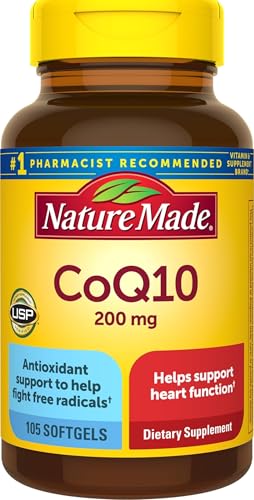
Practical Takeaway
If you’re on simvastatin, atorvastatin, lovastatin, fluvastatin, or pitavastatin and experiencing fatigue or muscle discomfort, the lipophilic mechanism gives a plausible biological reason CoQ10 depletion may be contributing, and it’s reasonable to discuss ubiquinol supplementation with your doctor. If you’re on rosuvastatin or pravastatin, CoQ10 depletion still occurs at the blood level per the class-wide meta-analysis, but the muscle-symptom risk profile is generally lower, so the calculus is a bit different. This isn’t medical advice and doesn’t replace a conversation with the prescriber who knows your full history, especially if you’re considering switching statins rather than just adding a supplement.
References
- Hydrophilic or Lipophilic Statins?. Frontiers in Cardiovascular Medicine, 2021
- The effect of statin treatment on circulating coenzyme Q10 concentrations: an updated meta-analysis of randomized controlled trials. European Journal of Medical Research, 2018
- Effects of Coenzyme Q10 on Statin-Induced Myopathy: An Updated Meta-Analysis of Randomized Controlled Trials. Journal of the American Heart Association, 2018
These statements have not been evaluated by the Food and Drug Administration. This information is not intended to diagnose, treat, cure, or prevent any disease. Content is for informational purposes only and is not medical advice; consult a qualified healthcare provider before starting any supplement. As an Amazon Associate we earn from qualifying purchases.