Coenzyme Q10 (CoQ10) is a compound naturally produced in the body, playing a role in cellular energy production. As we navigate midlife and menopause, some women consider CoQ10 supplementation. However, CoQ10’s natural properties can make it challenging for the body to absorb effectively.
This article explores various coq10 supplement forms available today, focusing on how different formulations are designed to improve absorption and what this might mean for those considering supplementation.
The Challenge of CoQ10 Absorption
CoQ10 is a fat-soluble molecule, which means it doesn’t dissolve easily in water. This characteristic can limit its absorption in the digestive system, potentially reducing the amount that reaches the bloodstream and ultimately the cells where it’s utilized [1]. This inherent poor bioavailability has driven significant research into developing improved CoQ10 supplement forms [2].
Over the years, various strategies have been developed to enhance the bioavailability of CoQ10. These approaches aim to make the CoQ10 molecule more accessible for absorption, overcoming its fat-soluble nature and improving its uptake by the body [1].
Traditional CoQ10 Supplement Forms: Softgels and Capsules
Traditional CoQ10 supplements are commonly found in softgel or capsule forms. These often contain CoQ10 dissolved in an oil base to facilitate absorption, leveraging its fat-soluble nature. While these forms can provide some CoQ10, their absorption might vary among individuals due to factors like digestion and the presence of dietary fats at the time of intake.
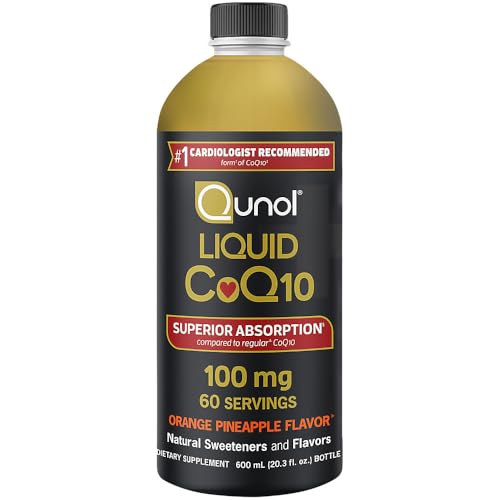
The effectiveness of these traditional forms relies heavily on the body’s ability to emulsify and absorb fats. For some, this might be sufficient, but for others, especially as digestive efficiency can change with age, alternative formulations designed for enhanced absorption may be of interest.

Exploring Enhanced Bioavailability Formulations
The scientific community has extensively explored novel formulations to improve CoQ10’s bioavailability [3]. These advanced coq10 supplement forms aim to overcome the challenges associated with its fat-soluble nature and poor water solubility.
One common strategy involves creating formulations where CoQ10 is micronized or incorporated into systems that improve its dispersion and absorption in the gut. These can include various carrier systems designed to make the CoQ10 molecule more readily available for uptake by the body [1].
Liposomal CoQ10: A Promising Approach
Liposomal encapsulation is one of the more recognized advanced coq10 supplement forms. Liposomes are tiny spherical vesicles made of a lipid (fat) bilayer, similar to cell membranes. By encapsulating CoQ10 within these liposomes, the aim is to protect the CoQ10 molecule and facilitate its passage through the digestive system, potentially enhancing its absorption [3].

The principle behind liposomal delivery systems is to mimic the body’s natural absorption processes for fat-soluble compounds. This method has shown promise in improving the bioavailability of various compounds, including CoQ10, by allowing them to be absorbed more efficiently into the bloodstream [4]. Research continues to explore the full potential of liposomal CoQ10 in different contexts, including its potential for targeted delivery within the body [5].
Other Innovative CoQ10 Formulations
Beyond liposomes, other innovative coq10 supplement forms are under investigation and development. These include various nanocarrier systems, such as nanoemulsions, solid lipid nanoparticles, and self-emulsifying drug delivery systems (SMEDDS) [3]. The goal of these diverse approaches is consistently to improve the solubility and absorption of CoQ10.
For example, proniosomes, which are precursors to niosomes (another type of vesicular carrier), have also been explored as a strategy to enhance CoQ10’s bioavailability [6]. These advanced formulations represent ongoing efforts to maximize the potential benefits of CoQ10 supplementation by ensuring more of the compound is absorbed and utilized by the body.

References
- Bioavailability enhancement of coenzyme Q(10): An update of novel approaches. Archiv der Pharmazie, 2024
- Bioavailability enhancement of coenzyme Q10: an extensive review of patents. Recent patents on drug delivery & formulation, 2010
- Coenzyme Q(10): Novel Formulations and Medical Trends. International journal of molecular sciences, 2020
- Amphiphilic Nanocarrier Systems for Curcumin Delivery in Neurodegenerative Disorders. Medicines (Basel, Switzerland), 2018
- Mitochondrial targeting of coenzyme Q(10) in inflammatory bowel disease: mechanisms, challenges, and prospects for clinical application. International immunopharmacology, 2025
- Improving the Bioavailability and Efficacy of Coenzyme Q10 on Alzheimer’s Disease Through the Arginine Based Proniosomes. Journal of pharmaceutical sciences, 2023
These statements have not been evaluated by the Food and Drug Administration. This information is not intended to diagnose, treat, cure, or prevent any disease. Content is for informational purposes only and is not medical advice; consult a qualified healthcare provider before starting any supplement. As an Amazon Associate we earn from qualifying purchases.