Most CoQ10 content aimed at midlife women focuses on perimenopause, the transition itself. Less gets said about what happens after menopause is complete, when estrogen’s protective effect on the cardiovascular system is gone for good and heart disease risk climbs to match, and eventually exceed, that of same-age men. Here’s what the CoQ10 evidence specifically says about that later stage.
Why Cardiovascular Risk Changes After Menopause
Estrogen has a measurable protective effect on the cardiovascular system: it favorably influences cholesterol profiles, helps maintain blood vessel flexibility, and supports healthy blood pressure regulation. Once menopause is complete and estrogen production drops to a low, stable postmenopausal baseline, that protection is gone, not gradually fading the way it does during perimenopause, but simply absent going forward.
This is a large part of why cardiovascular disease risk in women rises sharply in the postmenopausal years and is the leading cause of death for women overall, a fact that surprises many people given how much more attention breast cancer typically receives in women’s health messaging.
The KiSel-10 Trial: The Strongest CoQ10 Cardiovascular Data Available
The most rigorous long-term CoQ10 cardiovascular trial is KiSel-10, a Swedish study that randomized 443 elderly participants (mean age in the early 70s, balanced between men and women) with low selenium status to four years of combined selenium (200 mcg/day) and CoQ10 (200 mg/day) supplementation or placebo. The original five-year analysis found significantly reduced cardiovascular mortality in the treatment group, along with reduced levels of NT-proBNP, a biomarker of cardiac strain [1].
Critically, this benefit wasn’t a short-term blip: a follow-up analysis found the reduction in cardiovascular mortality was still present twelve years after the start of the four-year intervention, with a hazard ratio of 0.59, meaning a significantly lower cardiovascular mortality risk than placebo, even eight years after supplementation stopped [2]. That persistence is notable, though the authors describe the observations as hypothesis-generating because it was a small study, and it is a large part of why KiSel-10 gets cited so often in this space.
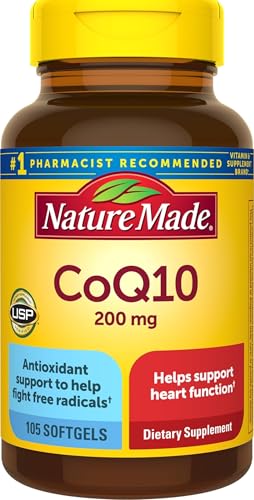
The important caveat: KiSel-10 tested CoQ10 combined with selenium, not CoQ10 alone, and enrolled elderly adults with documented low selenium status, a population more common in Sweden’s selenium-poor soil regions than in most of the United States. It’s not a direct, isolated test of “CoQ10 alone prevents heart disease in postmenopausal American women,” and selenium status is worth knowing before assuming the same effect size applies to you.

What CoQ10 Does to Cholesterol Specifically
Separate from the KiSel-10 mortality data, a meta-analysis of randomized controlled trials in people with coronary artery disease found that CoQ10 supplementation significantly lowered total cholesterol and increased HDL (“good”) cholesterol, though it did not significantly change LDL cholesterol, triglycerides, or lipoprotein(a) [3]. That’s a modest, partial lipid benefit, not a replacement for statin therapy or a comprehensive lipid-management strategy, but it is a real, human trial-confirmed effect on two of the standard cardiovascular risk markers your doctor tracks at your annual physical.
Postmenopause-Specific Considerations
Postmenopausal women are also more likely to be on a statin than premenopausal women, given the rise in cardiovascular risk, and statins independently deplete endogenous CoQ10 production, an effect that compounds with age-related decline in the body’s own CoQ10 synthesis. That overlap, higher statin use plus already-declining natural CoQ10 production, is part of why postmenopausal women specifically come up so often in discussions of who benefits most from CoQ10 supplementation, separate from any direct cardiovascular-protective effect of CoQ10 itself.

Practical Takeaway
The strongest CoQ10 cardiovascular evidence, KiSel-10, is interesting but preliminary, since the authors call it hypothesis-generating: a reduction in cardiovascular mortality that persisted 12 years after a 4-year intervention. But it tested CoQ10 paired with selenium in a selenium-deficient elderly population, not CoQ10 alone in a general postmenopausal population, and the modest cholesterol benefits from other trials are supportive rather than dramatic.
For postmenopausal women, particularly those on a statin, CoQ10 has a reasonable, evidence-backed rationale as part of a broader cardiovascular risk conversation with your doctor, one that should also include your actual selenium status, lipid panel, and blood pressure, not a supplement swapped in for that conversation.
References
- Cardiovascular mortality and N-terminal-proBNP reduced after combined selenium and coenzyme Q10 supplementation: a 5-year prospective randomized double-blind placebo-controlled trial among elderly Swedish citizens. International Journal of Cardiology, 2013
- Still reduced cardiovascular mortality 12 years after supplementation with selenium and coenzyme Q10 for four years. PLOS One, 2018
- The effects of coenzyme Q10 supplementation on lipid profiles among patients with coronary artery disease: a systematic review and meta-analysis of randomized controlled trials. Lipids in Health and Disease, 2018
These statements have not been evaluated by the Food and Drug Administration. This information is not intended to diagnose, treat, cure, or prevent any disease. Content is for informational purposes only and is not medical advice; consult a qualified healthcare provider before starting any supplement. As an Amazon Associate we earn from qualifying purchases.