As women navigate midlife and menopause, supporting cellular energy and antioxidant defenses can become a focus. Coenzyme Q10 (CoQ10) is a compound naturally produced in the body, playing a role in energy production within cells and acting as an antioxidant. It’s also available as a dietary supplement.
When considering CoQ10 supplements, you might encounter two main forms: ubiquinol and ubiquinone. Understanding the differences between these forms, particularly regarding how well the body can absorb and utilize them, is important for making informed choices.
What is CoQ10 and Its Role in the Body?
CoQ10 is an essential nutrient found in nearly every cell of the body. It is vital for the process of cellular energy production, particularly in the mitochondria, often referred to as the ‘powerhouses’ of the cell. Beyond its role in energy, CoQ10 also functions as a powerful antioxidant, helping to neutralize free radicals that can cause cellular damage.
The body naturally produces CoQ10, but levels can decline with age, and certain medications or health conditions may also affect its synthesis. For women in midlife and menopause, maintaining optimal CoQ10 levels might be a consideration for overall well-being and cellular health.
Ubiquinone: The Oxidized Form of CoQ10
Ubiquinone is the oxidized form of CoQ10. This is the form that has been available in supplements for a longer period. For the body to utilize ubiquinone, it must first convert it into its active, reduced form, ubiquinol. This conversion process occurs within the body. While ubiquinone is a precursor, its absorption can be a consideration, especially as we age.

Traditionally, CoQ10 supplements were primarily ubiquinone. The body’s ability to convert ubiquinone to ubiquinol can vary among individuals and may decrease with age. This conversion step is a key point of difference when comparing it to ubiquinol.
Ubiquinol: The Reduced and Active Form of CoQ10
Ubiquinol is the reduced, active antioxidant form of CoQ10. Unlike ubiquinone, ubiquinol does not require conversion by the body before it can be used. This means it is readily available for cellular processes, including energy production and antioxidant activity. The development of ubiquinol as a stable supplement form has provided another option for individuals seeking CoQ10 support.
Because ubiquinol is already in its active form, it is often suggested that it may offer advantages in terms of absorption and bioavailability, particularly for certain populations where the conversion process might be less efficient.
Ubiquinol vs. Ubiquinone Absorption: What the Evidence Suggests
When comparing ubiquinol and ubiquinone, a primary focus is often on their absorption and how effectively the body can utilize each form. Research has explored this difference, particularly in healthy individuals. One study indicated that supplementation with ubiquinol resulted in significantly higher plasma CoQ10 levels compared to ubiquinone supplementation in healthy subjects [1]. This suggests that ubiquinol may be absorbed more efficiently than ubiquinone.
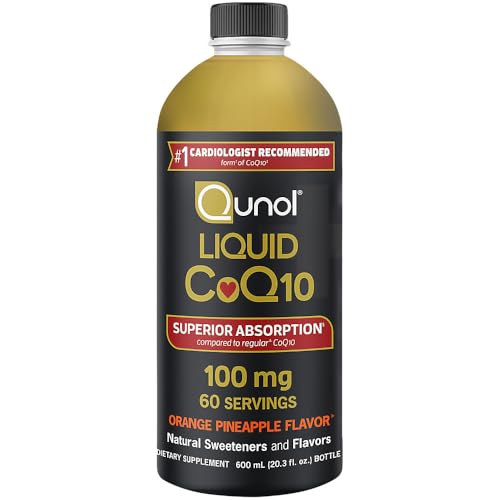
Another study investigating the comparative bioavailability of different CoQ10 formulations in healthy elderly individuals also provided insights. This research found that a ubiquinol capsule did not significantly increase absorption compared with a ubiquinone capsule in this population [2]. This could be particularly relevant for women in midlife and menopause, as the body’s natural processes, including the conversion of ubiquinone to ubiquinol, can become less efficient with age.
While one study involving a mouse model of familial ALS noted increased CNS levels of endogenous ubiquinol and no benefit from exogenous ubiquinol, this specific finding does not contradict the general findings regarding superior oral absorption of ubiquinol over ubiquinone in human plasma studies [3]. The overall body of evidence, particularly from human studies focused on plasma levels, points towards ubiquinol potentially offering improved absorption. This could mean that a smaller dose of ubiquinol might achieve similar or higher plasma CoQ10 levels compared to ubiquinone, though individual responses can vary.
These findings collectively suggest that for individuals seeking to supplement CoQ10, ubiquinol may offer an advantage in terms of how readily it is absorbed and available for the body’s use, particularly as age advances.
Factors Influencing CoQ10 Absorption
Beyond the form of CoQ10 (ubiquinol vs. ubiquinone), several other factors can influence its absorption. CoQ10 is a fat-soluble compound, meaning it is better absorbed when taken with a meal containing fats. Many CoQ10 supplements are formulated with oils to enhance absorption. The specific formulation of a supplement, including the type of carrier oil or other excipients, can also play a role in how well it is absorbed.

Individual differences in digestive health, metabolism, and age can also affect CoQ10 absorption. As discussed, the body’s ability to convert ubiquinone to ubiquinol may decline with age, making the pre-converted ubiquinol form potentially more beneficial for older adults.
Making an Informed Choice for Midlife Wellness
For women navigating midlife and menopause, choosing a CoQ10 supplement involves considering factors like absorption and bioavailability. Based on available research, ubiquinol appears to offer an advantage in terms of how well it is absorbed and utilized by the body, especially when compared to ubiquinone [1][2]. This may mean that ubiquinol could be a more efficient choice for individuals looking to support their CoQ10 levels.
When selecting a supplement, look for reputable brands that provide transparency about their product’s form and formulation. Discussing your individual needs and health considerations with a healthcare professional can help you make the most suitable choice for your specific situation.

References
- Comparison study of plasma coenzyme Q10 levels in healthy subjects supplemented with ubiquinol versus ubiquinone. Clinical pharmacology in drug development, 2014
- Comparative Bioavailability of Different Coenzyme Q10 Formulations in Healthy Elderly Individuals. Nutrients, 2020
- A mouse model of familial ALS has increased CNS levels of endogenous ubiquinol9/10 and does not benefit from exogenous administration of ubiquinol10. PloS one, 2013
These statements have not been evaluated by the Food and Drug Administration. This information is not intended to diagnose, treat, cure, or prevent any disease. Content is for informational purposes only and is not medical advice; consult a qualified healthcare provider before starting any supplement. As an Amazon Associate we earn from qualifying purchases.