Perimenopause can bring about various physiological shifts that may influence how women experience exercise. Maintaining physical activity is important for overall well-being during this stage of life, and some women explore nutritional support to help optimize their fitness routines.
Coenzyme Q10 (CoQ10), particularly in its ubiquinol form, is a compound that has garnered interest for its role in cellular energy production. This article will explore the current understanding of CoQ10’s potential impact on exercise performance and recovery, specifically considering women navigating perimenopause.
Understanding CoQ10 and Its Forms
CoQ10 is a naturally occurring antioxidant found in almost every cell in the body. It plays a crucial role in the production of adenosine triphosphate (ATP), which is the primary energy currency of cells. While the body produces CoQ10, levels can naturally decline with age and may also be influenced by certain medications or health conditions.
CoQ10 exists in two main forms: ubiquinone and ubiquinol. Ubiquinone is the oxidized form, which the body must convert into ubiquinol, the active antioxidant form, to be utilized effectively. Supplementing with ubiquinol is sometimes preferred because it is already in the readily usable form, potentially offering better absorption.
Exercise and Perimenopause: A Changing Landscape
During perimenopause, fluctuations in hormones like estrogen can lead to various physical changes. These may include shifts in body composition, energy levels, and muscle integrity, all of which can affect exercise capacity and recovery. For many women, maintaining regular physical activity becomes even more important for managing symptoms and supporting long-term health.

Engaging in consistent exercise, including both cardiovascular and strength training, offers numerous benefits during perimenopause, such as supporting bone density, cardiovascular health, mood regulation, and weight management. Supporting the body’s natural processes during exercise and recovery is a common focus for women seeking to maintain an active lifestyle.
CoQ10 and Exercise Performance: What the Evidence Suggests
Research has investigated the potential of CoQ10 supplementation to influence exercise performance and recovery. Some studies suggest that CoQ10 may play a role in supporting energy metabolism during physical activity. However, the evidence regarding its direct impact on enhancing athletic performance in healthy individuals is considered mixed and moderate [1].
A comprehensive review indicated that CoQ10 supplementation might be more relevant for supporting recovery processes rather than significantly boosting peak performance in all athletic contexts [1]. The precise mechanisms by which CoQ10 might influence exercise are still being explored, but they are thought to involve its role in mitochondrial function and antioxidant activity.
CoQ10 for Exercise Recovery in Perimenopausal Women
Recovery after exercise is a critical component of any fitness regimen, especially as the body ages and hormone levels shift. Adequate recovery allows muscles to repair and rebuild, reducing the risk of fatigue and injury. The antioxidant properties of CoQ10 are of interest in this context, as intense exercise can lead to increased oxidative stress.
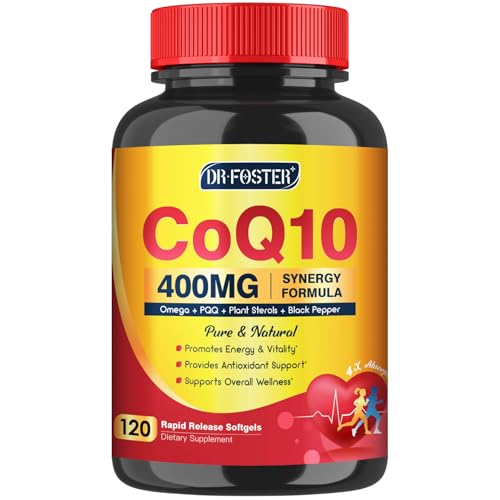
While direct studies on CoQ10 for exercise recovery specifically in perimenopausal women are limited, the general understanding of CoQ10’s role in mitigating oxidative stress and supporting cellular energy pathways suggests a potential benefit for recovery [1]. Supporting cellular health may contribute to a more efficient recovery process after physical exertion. However, more targeted research is needed to draw definitive conclusions for this specific demographic.
Considering Ubiquinol for Perimenopausal Exercise Support
Given that CoQ10 levels can decline with age, and perimenopause introduces additional physiological considerations, some women may consider ubiquinol supplementation as part of their overall wellness strategy. The ubiquinol form is often highlighted for its bioavailability, meaning it may be more readily absorbed and utilized by the body compared to ubiquinone.
While the evidence for a dramatic increase in exercise performance due to CoQ10 in healthy individuals is moderate [1], its potential role in supporting cellular energy and antioxidant defenses could be a factor for those looking to optimize their body’s response to exercise and recovery during perimenopause. It’s important to approach supplementation with realistic expectations and integrate it as part of a broader healthy lifestyle.


References
- Coenzyme Q(10) Supplementation and Its Impact on Exercise and Sport Performance in Humans: A Recovery or a Performance-Enhancing Molecule?. Nutrients, 2022
These statements have not been evaluated by the Food and Drug Administration. This information is not intended to diagnose, treat, cure, or prevent any disease. Content is for informational purposes only and is not medical advice; consult a qualified healthcare provider before starting any supplement. As an Amazon Associate we earn from qualifying purchases.