Navigating perimenopause often brings a range of changes, and for many women, persistent fatigue can be a particularly challenging symptom. This type of fatigue can impact daily life, making it harder to maintain energy levels and overall well-being. Understanding potential ways to support the body’s natural energy processes can be helpful during this transitional phase.
One area of growing interest is the role of Coenzyme Q10 (CoQ10), specifically its ubiquinol form, in cellular energy production. As we explore how CoQ10 functions within the body, we can consider its potential to support mitochondrial health, which is central to energy generation, particularly when facing the energetic demands of perimenopause.
Understanding Perimenopausal Fatigue
Perimenopause is a natural transition period leading up to menopause, characterized by fluctuating hormone levels. These hormonal shifts, particularly in estrogen, can have widespread effects on the body. Emerging research suggests that perimenopause may involve systemic inflammatory processes [1] and can be associated with mitochondrial dysfunction, potentially contributing to mood changes and other symptoms [2].
Mitochondria are often referred to as the ‘powerhouses’ of our cells because they are responsible for generating adenosine triphosphate (ATP), the primary energy currency of the body. When mitochondrial function is compromised, cells may not produce energy efficiently, which can manifest as fatigue. During perimenopause, hormonal fluctuations, especially in estrogen, may influence mitochondrial function [3].
While fatigue is a common complaint, it’s important to distinguish between everyday tiredness and persistent, debilitating fatigue. Conditions like Myalgic Encephalomyelitis/Chronic Fatigue Syndrome (ME/CFS) are characterized by severe, unexplained fatigue that is not relieved by rest [4]. For general perimenopausal fatigue, supporting cellular energy processes may be a consideration.
The Role of CoQ10 in Cellular Energy Production
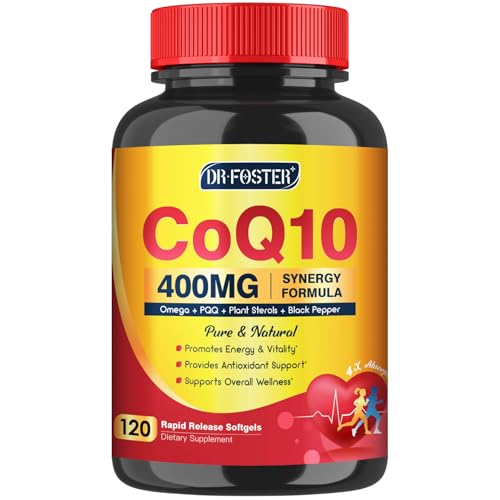
Coenzyme Q10 (CoQ10) is a naturally occurring compound found in almost every cell in the human body. It plays a crucial role in the electron transport chain within the mitochondria, a series of reactions essential for ATP synthesis. CoQ10 acts as an electron carrier, facilitating the production of energy [5].
There are two main forms of CoQ10: ubiquinone and ubiquinol. Ubiquinone is the oxidized form, while ubiquinol is the reduced, active antioxidant form. For the body to utilize CoQ10 in energy production and as an antioxidant, ubiquinone must be converted to ubiquinol. As we age, the body’s ability to convert ubiquinone to ubiquinol may decline, making ubiquinol supplementation a potential consideration for some individuals, particularly those over 40.
Beyond its role in energy metabolism, CoQ10 also functions as a powerful antioxidant, helping to neutralize free radicals that can damage cells and mitochondria. This dual role in energy production and antioxidant protection makes CoQ10 a compound of interest for supporting overall cellular health.

CoQ10 and Fatigue: What the Research Suggests
Research exploring CoQ10‘s potential impact on fatigue has yielded varying results across different populations and conditions. Some studies have investigated CoQ10 in the context of specific fatigue-related conditions. For instance, a review noted that CoQ10 has been studied as a neuronutritional approach to fibromyalgia management [5]. A randomized trial also investigated the effects of CoQ10, tryptophan, and magnesium supplementation on fatigue in patients with fibromyalgia [6].
In other contexts, a study on mice suggested an anti-fatigue effect of CoQ10 [7]. Human studies have also explored CoQ10 for fatigue in specific populations; for example, a randomized, double-blind, placebo-controlled study examined oral CoQ10 to relieve self-reported treatment-related fatigue in newly diagnosed breast cancer patients [8].
It’s important to note that while these studies offer insights, the evidence specifically linking CoQ10 to the unique fatigue experienced during perimenopause is still developing. General multivitamin/mineral supplementation has also been studied for its acute and chronic effects on objective and subjective energy measures, with some positive findings [9]. Therefore, while CoQ10’s role in energy production is clear, its direct impact on perimenopausal fatigue requires more specific investigation.

Considering CoQ10 Supplementation
If considering CoQ10 supplementation for fatigue, especially during perimenopause, it is generally recommended to discuss this with a healthcare professional. They can help determine if it is appropriate for your individual circumstances and rule out other potential causes of fatigue.
Ubiquinol, the active form of CoQ10, is often preferred for supplementation due to its higher bioavailability, meaning it is more readily absorbed and utilized by the body compared to ubiquinone, particularly for individuals over 40 or those with certain health conditions where conversion might be impaired. The specific dosage and duration of supplementation can vary, and a healthcare provider can offer personalized guidance.
It’s also worth remembering that CoQ10 is a fat-soluble compound, so taking it with a meal containing dietary fat can enhance its absorption. As with any supplement, consistency in use is often key to observing potential benefits.

References
- The peri-menopause in a woman’s life: a systemic inflammatory phase that enables later neurodegenerative disease. Journal of neuroinflammation, 2020
- Mitochondrial dysfunction in perimenopausal mood disorders: From hormonal shifts to neuroenergetic failure (Review). International journal of molecular medicine, 2025
- Regulation of mitochondrial dysfunction by estrogens and estrogen receptors in Alzheimer’s disease: A focused review. Basic & clinical pharmacology & toxicology, 2024
- European Network on Myalgic Encephalomyelitis/Chronic Fatigue Syndrome (EUROMENE): Expert Consensus on the Diagnosis, Service Provision, and Care of People with ME/CFS in Europe. Medicina (Kaunas, Lithuania), 2021
- Neuronutritional Approach to Fibromyalgia Management: A Narrative Review. Pain and therapy, 2024
- Effects of Coenzyme Q10, Tryptophan, and Magnesium Supplementation on Fatigue in Patients with Fibromyalgia – A Randomized Trial. Journal of dietary supplements, 2025
- Antifatigue effect of coenzyme Q10 in mice. Journal of medicinal food, 2010
- A randomized, double-blind, placebo-controlled study of oral coenzyme Q10 to relieve self-reported treatment-related fatigue in newly diagnosed patients with breast cancer. The journal of supportive oncology, 2013
- Acute and chronic effects of multivitamin/mineral supplementation on objective and subjective energy measures. Nutrition & metabolism, 2020
These statements have not been evaluated by the Food and Drug Administration. This information is not intended to diagnose, treat, cure, or prevent any disease. Content is for informational purposes only and is not medical advice; consult a qualified healthcare provider before starting any supplement. As an Amazon Associate we earn from qualifying purchases.