Navigating midlife often brings new health considerations, and for many women, this can include changes in migraine patterns. Hormonal fluctuations during perimenopause are thought to play a role in these shifts, leading some to seek complementary approaches for managing their symptoms.
Among the various nutritional supplements explored for migraine support, Coenzyme Q10 (CoQ10) has garnered attention. This article will review the current evidence regarding CoQ10’s potential role in migraine prevention, particularly for women experiencing perimenopausal changes.
Understanding Migraines in Perimenopause
Migraines are complex neurological events characterized by severe headache, often accompanied by symptoms such as throbbing pain, sensitivity to light and sound, nausea, and aura. For many women, migraine patterns can change significantly during perimenopause, a transitional phase leading up to menopause. These changes are often attributed to fluctuating hormone levels, particularly estrogen, which can influence neurotransmitter activity and blood vessel function in the brain.
While hormonal therapies and prescription medications are common approaches for managing perimenopausal migraines, some individuals look for additional strategies. Understanding the potential mechanisms of action of supplements like CoQ10 can help inform these choices, in discussion with a healthcare provider.
What is CoQ10 and How Might It Relate to Migraines?
Coenzyme Q10 (CoQ10) is a compound naturally produced by the body and found in every cell. It plays a vital role in energy production within the mitochondria, the ‘powerhouses’ of our cells, and also functions as an antioxidant, helping to protect cells from damage. The body’s ability to produce CoQ10 may decline with age.

The exact mechanisms by which CoQ10 might influence migraines are not fully understood, but theories suggest it could relate to its role in cellular energy and antioxidant defense. Some research indicates that mitochondrial dysfunction and oxidative stress may be involved in the pathophysiology of migraines [1]. By supporting mitochondrial function and reducing oxidative stress, CoQ10 could potentially help stabilize cellular processes that might otherwise contribute to migraine initiation.


CoQ10 and Migraine Prevention: The Evidence
Several studies have investigated the efficacy of CoQ10 as a prophylactic (preventive) treatment for migraines. A meta-analysis published in 2021 reviewed multiple studies on CoQ10 supplementation for migraine prophylaxis in adult patients. This analysis suggested that CoQ10 may be beneficial in reducing the frequency and duration of migraine attacks, though pain severity did not improve significantly [2].
Earlier research, including a randomized controlled trial from 2005, also explored CoQ10’s potential. This study found that CoQ10 was superior to placebo in reducing migraine attack frequency, severity, and duration, and that 47.6% of patients treated with CoQ10 experienced a 50% or greater reduction in migraine days [3]. The benefits were observed after approximately three months of supplementation.
Another review from 2025 discussing nutraceuticals for headache management also lists CoQ10 among compounds like riboflavin, magnesium, and melatonin that have been studied for their potential in migraine prevention [4]. While the evidence base for CoQ10 in migraine prophylaxis appears moderate, it’s important to note that individual responses can vary. The studies often include a broad adult population, and specific research focusing solely on perimenopausal women is less common, though the general mechanisms are thought to apply.
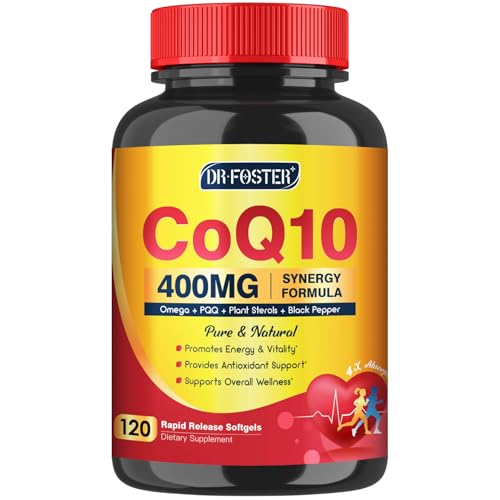
Dosage and Safety Considerations
In studies investigating CoQ10 for migraine prevention, dosages typically range from 100 mg to 300 mg per day, often divided into two or three doses [3]. It’s generally well-tolerated, with side effects being uncommon and usually mild, such as mild gastrointestinal upset.
As CoQ10 is a fat-soluble compound, it is often recommended to take it with a meal containing fat to enhance absorption. Ubiquinol, the reduced active form of CoQ10, is sometimes promoted for better bioavailability, especially for older individuals or those with certain health conditions, though studies on ubiquinol specifically for migraines are less extensive than those on ubiquinone.
Before starting any new supplement, especially if you are managing migraines or other health conditions, it is crucial to consult with a healthcare provider. They can help determine if CoQ10 is appropriate for your individual needs, discuss potential interactions with other medications you may be taking, and advise on the most suitable dosage.
References
- Role of magnesium, coenzyme Q10, riboflavin, and vitamin B12 in migraine prophylaxis. Vitamins and hormones, 2004
- Coenzyme Q10 supplementation for prophylaxis in adult patients with migraine-a meta-analysis. BMJ open, 2021
- Efficacy of coenzyme Q10 in migraine prophylaxis: a randomized controlled trial. Neurology, 2005
- Nutraceuticals and Headache 2024: Riboflavin, Coenzyme Q10, Feverfew, Magnesium, Melatonin, and Butterbur. Current pain and headache reports, 2025
These statements have not been evaluated by the Food and Drug Administration. This information is not intended to diagnose, treat, cure, or prevent any disease. Content is for informational purposes only and is not medical advice; consult a qualified healthcare provider before starting any supplement. As an Amazon Associate we earn from qualifying purchases.