As women navigate midlife and menopause, many explore various supplements to support their well-being. Coenzyme Q10 (CoQ10) is one such supplement that has garnered interest, often in its ubiquinol form, due to its role in cellular energy production.
When considering any supplement, including CoQ10, understanding how to choose a high-quality product is essential. This often involves looking beyond the label claims to the rigorous testing and certifications that ensure what’s inside the bottle matches what’s promised.
What is CoQ10 and Why Does Quality Matter?
CoQ10 is a naturally occurring compound found in every cell of the body, playing a crucial role in energy production within the mitochondria. It also functions as an antioxidant, helping to protect cells from oxidative stress [1]. While the body produces CoQ10, levels can naturally decline with age, and certain medications, like statins, can also impact CoQ10 levels [2].
For women in midlife and menopause, maintaining optimal CoQ10 levels may be a consideration. Research has explored CoQ10’s potential roles in various areas, including supporting heart function [3] and even aspects of reproductive health [4][5]. Given its diverse physiological functions, the purity and potency of a CoQ10 supplement are paramount to ensure that individuals are receiving the intended compound in the correct dosage.
A low-quality supplement might contain impurities, incorrect dosages, or even lack the active ingredient entirely. This not only means you might not experience the potential benefits but could also expose you to unknown substances. This is where third-party testing becomes a critical safeguard.

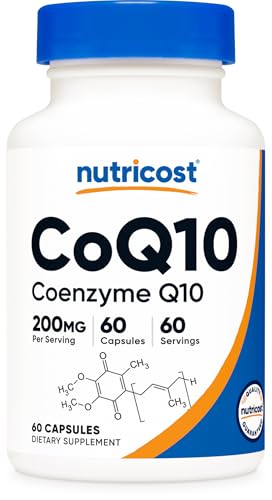
The Role of Third-Party Testing in Supplement Quality
Third-party testing refers to the process where an independent organization, separate from the supplement manufacturer, evaluates a product. These third-party labs conduct various tests to verify the supplement’s identity, purity, potency, and composition. For CoQ10, this can mean confirming the presence of CoQ10 (or ubiquinol), its concentration per serving, and the absence of contaminants.
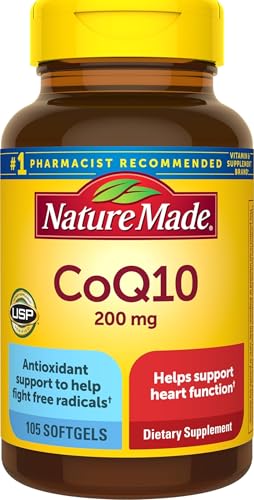
The primary goal of third-party testing is to provide an unbiased assessment of a supplement’s quality and safety. Unlike in-house testing, which could be perceived as having a conflict of interest, independent labs operate without direct financial ties to the manufacturer, lending greater credibility to their findings.
For consumers, especially those navigating health decisions in midlife, relying on third-party verification can offer peace of mind. It acts as an additional layer of scrutiny, helping to ensure that the CoQ10 product they choose meets established quality standards and contains what the label claims, without unwanted additives or contaminants.
What Certifications Should You Look For?
When a CoQ10 supplement has undergone third-party testing, it often carries certifications from reputable organizations. These certifications are visual indicators that the product has met specific quality benchmarks. Understanding what these certifications represent can help you make informed choices.
Some common certifications to look for include those from organizations like USP (United States Pharmacopeia), NSF International, and ConsumerLab. These bodies establish rigorous standards for supplement quality, including testing for ingredient accuracy, purity from contaminants (such as heavy metals and pesticides), and proper manufacturing practices.

For example, a USP Verified mark indicates that the product contains the ingredients listed on the label in the declared potency and amounts, does not contain harmful levels of specified contaminants, will break down and release into the body within a specified amount of time, and has been made according to FDA current Good Manufacturing Practices (cGMPs). Similarly, NSF certification ensures that products are tested for contaminants and ingredient accuracy. While not all certifications are identical, they all aim to provide an independent stamp of approval regarding product quality and safety.
Why Third-Party Testing Matters for CoQ10 Purity and Potency
The effectiveness of any supplement, including CoQ10, largely depends on its purity and potency. If a CoQ10 supplement contains less of the active ingredient than advertised, or if it’s contaminated with other substances, its potential benefits may be diminished or negated.
Consider the research supporting CoQ10’s potential uses; for example, its role in supporting heart health [3] or its exploration in managing fatigue [6]. These studies are conducted with carefully measured and pure forms of CoQ10. When you choose a product that has undergone third-party testing, you are selecting a supplement that more closely aligns with the quality used in research, increasing the likelihood that you are consuming a product that is both safe and accurately dosed.
For women considering CoQ10 for specific health goals during midlife or menopause, such as supporting reproductive health [5], ensuring the purity and potency of the supplement is not just about getting value for money, but about potentially impacting their health outcomes. Third-party testing provides a crucial layer of assurance in this regard, helping consumers to confidently choose high-quality CoQ10 products.
References
- Coenzyme Q10. 2006
- Effects of Coenzyme Q10 on Statin-Induced Myopathy: An Updated Meta-Analysis of Randomized Controlled Trials. Journal of the American Heart Association, 2018
- Coenzyme Q10 for heart failure. The Cochrane database of systematic reviews, 2021
- Does Coenzyme Q10 Supplementation Improve Human Oocyte Quality?. International journal of molecular sciences, 2021
- Antioxidants and Fertility in Women with Ovarian Aging: A Systematic Review and Meta-Analysis. Advances in nutrition (Bethesda, Md.), 2024
- Effect of Dietary Coenzyme Q10 Plus NADH Supplementation on Fatigue Perception and Health-Related Quality of Life in Individuals with Myalgic Encephalomyelitis/Chronic Fatigue Syndrome: A Prospective, Randomized, Double-Blind, Placebo-Controlled Trial. Nutrients, 2021
These statements have not been evaluated by the Food and Drug Administration. This information is not intended to diagnose, treat, cure, or prevent any disease. Content is for informational purposes only and is not medical advice; consult a qualified healthcare provider before starting any supplement. As an Amazon Associate we earn from qualifying purchases.