As women navigate midlife and menopause, many explore supplements like CoQ10 (ubiquinol) to support various aspects of their well-being. While CoQ10 is generally considered well-tolerated, understanding potential side effects and how to manage them is an important part of informed supplementation.
This guide provides evidence-based information on what to expect if you choose to take CoQ10, focusing on practical strategies for coq10 side effects management to help you integrate it comfortably into your daily routine.
Understanding CoQ10: Ubiquinone vs. Ubiquinol
Coenzyme Q10 exists in two primary forms: ubiquinone and ubiquinol. Ubiquinone is the oxidized form, while ubiquinol is the reduced, active antioxidant form. For supplementation, ubiquinol is often chosen because it is readily available for use by the body and does not require conversion [1].
Many studies on CoQ10’s effects have utilized both forms, and the body can convert ubiquinone to ubiquinol as needed. However, ubiquinol is sometimes highlighted for its bioavailability, which may be particularly relevant as we age or for individuals with certain health considerations.
Commonly Reported CoQ10 Side Effects
CoQ10 is generally reported to have a favorable safety profile, even at higher doses [2][3]. When side effects do occur, they are typically mild and transient. The most frequently reported issues are related to the gastrointestinal system.

These can include mild stomach upset, nausea, diarrhea, or constipation [2]. In rare instances, individuals have reported headaches or skin rashes, though these are less common. It’s important to remember that individual responses to supplements can vary.
Strategies for CoQ10 Side Effects Management
If you experience mild gastrointestinal discomfort, several strategies can help. Taking CoQ10 with food is often recommended, as it is a fat-soluble compound and its absorption can be enhanced when consumed with a meal containing fats. This can also help buffer the digestive system and reduce potential upset [1].
Dividing your daily dose into smaller amounts taken throughout the day, rather than a single large dose, may also ease digestive strain. For instance, if your recommended intake is 200 mg, you might take 100 mg with breakfast and another 100 mg with dinner. Starting with a lower dose and gradually increasing it can also allow your body to adjust.
If constipation is a concern, ensuring adequate fluid intake and a diet rich in fiber can be helpful. Should diarrhea occur, continuing to stay hydrated is important. For skin rashes or persistent headaches, discontinuing use and consulting a healthcare provider is a sensible step.
CoQ10 and Medication Interactions
It’s crucial to be aware of potential interactions between CoQ10 and certain medications. One notable interaction is with anticoagulant medications, such as warfarin. CoQ10 may potentially reduce the effectiveness of warfarin, which could increase the risk of blood clots. Individuals taking anticoagulants should discuss CoQ10 supplementation with their healthcare provider to monitor their clotting factors closely [4].
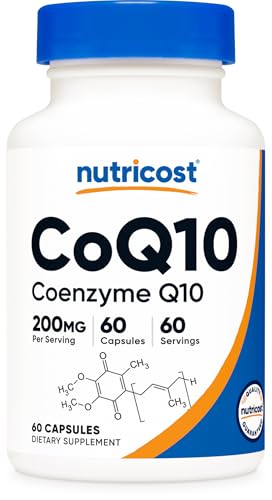
Statins, which are cholesterol-lowering medications, are known to reduce the body’s natural production of CoQ10 [5]. For individuals taking statins, CoQ10 supplementation is sometimes considered to help replenish levels, although this should always be discussed with a healthcare professional. Other potential interactions, though less documented, may exist, so it’s always prudent to inform your doctor about all supplements you are taking.
When to Seek Professional Guidance
While CoQ10 side effects are typically mild, it’s important to know when to seek advice from a healthcare professional. If you experience severe or persistent side effects, such as intense stomach pain, prolonged diarrhea, significant skin reactions, or any symptoms that concern you, it’s advisable to stop taking CoQ10 and consult your doctor.
Similarly, if you are pregnant, breastfeeding, or have a pre-existing medical condition, or if you are taking any prescription medications, speaking with your healthcare provider before starting CoQ10 or any new supplement is always recommended. They can help determine if CoQ10 is appropriate for your individual health profile and advise on suitable dosages.


References
- Efficacy and Safety of Q10 Ubiquinol With Vitamins B and E in Neurodevelopmental Disorders: A Retrospective Chart Review. Frontiers in psychiatry, 2022
- Coenzyme Q10 for heart failure. The Cochrane database of systematic reviews, 2021
- High-dose ubiquinol supplementation in multiple-system atrophy: a multicentre, randomised, double-blinded, placebo-controlled phase 2 trial. EClinicalMedicine, 2023
- Coenzyme Q10 for Diabetes and Cardiovascular Disease: Useful or Useless?. Current diabetes reviews, 2023
- Effects of statins on mitochondrial pathways. Journal of cachexia, sarcopenia and muscle, 2021
These statements have not been evaluated by the Food and Drug Administration. This information is not intended to diagnose, treat, cure, or prevent any disease. Content is for informational purposes only and is not medical advice; consult a qualified healthcare provider before starting any supplement. As an Amazon Associate we earn from qualifying purchases.