CoQ10 (ubiquinol) is often described as a cellular energy nutrient, but what that actually means at the mitochondrial level is more specific than most marketing copy suggests. Understanding the mechanism helps explain why absorption, form, and consistency matter more than the total milligram number on the label.
Where CoQ10 Works in the Cell
CoQ10 sits inside the inner mitochondrial membrane, where it shuttles electrons between Complex I and Complex II of the electron transport chain toward Complex III [1]. This electron-carrying role is what ultimately drives ATP synthesis, the energy currency every cell runs on. Because it cycles between an oxidized form (ubiquinone) and a reduced, antioxidant form (ubiquinol), CoQ10 does double duty: energy transport and free-radical defense in the same molecule.


Why This Matters for Deficiency States
Research using CoQ10-deficient human neuronal cells found that supplementation partially restored electron transport chain complex I and complex IV activity, though restoration was dose-dependent and not complete at lower concentrations [2]. This partial-response pattern is consistent with what shows up in human trials: CoQ10 tends to help most in people who are measurably low, and its benefit in people with normal levels is less established.
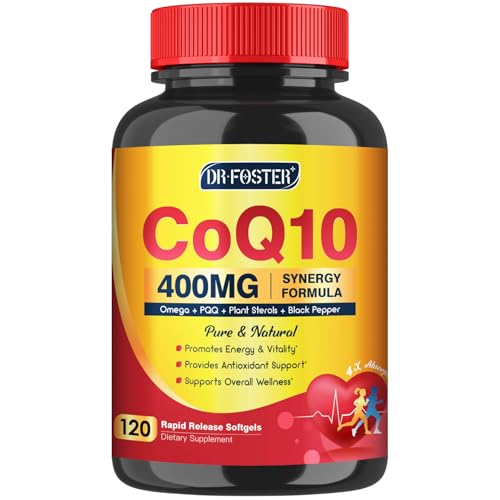
A broader review of CoQ10 in mitochondrial disease describes its dual role as both an electron carrier in the respiratory chain and a lipid-soluble antioxidant, noting that even in conditions not caused by primary CoQ10 deficiency, restoring electron flow and antioxidant capacity may still offer therapeutic benefit [3].
Beyond the Electron Transport Chain
More recent mechanistic work describes CoQ10 as existing in two functional pools inside the mitochondria: one bound to respiratory supercomplexes, and a separate free pool used by other enzymes involved in pyrimidine synthesis, fatty acid oxidation, and amino acid metabolism [1]. This helps explain why CoQ10’s effects in research extend beyond simple energy production into areas like metabolic and cardiovascular health.
What This Means Practically
Statins inhibit the same mevalonate pathway the body uses to synthesize its own CoQ10, which is the biochemical basis for statin-associated CoQ10 depletion. It also means that supplementation isn’t just about adding more of a generic “energy” compound. It is about supporting a specific, well-mapped step in mitochondrial electron transport. That distinction is worth keeping in mind when comparing products or dosages, since form and absorption ultimately determine how much reaches the mitochondria where this mechanism actually plays out.

As always, individual mitochondrial health varies with age, genetics, and medication use, so this mechanism explains the rationale for supplementation, not a guaranteed outcome for every person.
Where the Body’s Own Supply Comes From
CoQ10 is not solely a dietary compound. The body synthesizes it through a long biochemical pathway, using the same early steps that also produce cholesterol, which is the structural reason a drug acting on that pathway can affect both. Tissues with the heaviest energy demand, including heart and muscle, are generally described as carrying the highest concentrations, which fits the mitochondrial role the sections above describe.
Because most of the supply is made internally rather than eaten, the interesting question is usually what changes that internal production rather than what a single meal contributes. Age and certain medications are the two factors raised most often in the literature. Neither observation establishes that adding a supplement restores a specific tissue level, and that gap between a plausible shortfall and a demonstrated correction is worth holding onto.
What a Mechanism Can and Cannot Tell You
A well-mapped mechanism explains why a compound might matter. It does not, on its own, show that taking more of it changes how someone feels or what happens to them over time. Those are separate questions answered by controlled trials in people, not by tracing a pathway diagram, and the distinction is the single most useful thing to carry away from a mechanism article.
This is worth being explicit about because mechanism is the most persuasive material in supplement marketing and the least predictive. The cell-level story here is genuinely well understood, far better than for most ingredients on the shelf. What it supports is a reasonable rationale for studying the compound, which is a smaller claim than a promise about results, and it is the reason the trial evidence deserves a separate reading of its own.
If the mechanism is well established, does that mean supplementing works?
Not by itself. A clear mechanism makes a benefit plausible and worth testing, but whether supplementation changes outcomes is a question for clinical trials, and the answer varies considerably by condition and by who was studied.
Does the body make its own CoQ10, or does it have to come from food or capsules?
Most of it is made internally through the pathway described above, with diet contributing a comparatively small share. That is why discussion tends to focus on what affects the body’s own production rather than on individual meals.
References
- Metabolic Targets of Coenzyme Q10 in Mitochondria. Antioxidants (Basel, Switzerland), 2021
- Effect of Coenzyme Q10 supplementation on mitochondrial electron transport chain activity and mitochondrial oxidative stress in Coenzyme Q10 deficient human neuronal cells. The International Journal of Biochemistry & Cell Biology, 2014
- Coenzyme Q10 as a therapy for mitochondrial disease. International journal of biochemistry and cell biology, 2014
These statements have not been evaluated by the Food and Drug Administration. This information is not intended to diagnose, treat, cure, or prevent any disease. Content is for informational purposes only and is not medical advice; consult a qualified healthcare provider before starting any supplement. As an Amazon Associate we earn from qualifying purchases.