CoQ10 has more human clinical trial data behind it than most supplements in this category, but the evidence is stronger in some areas than others. Here is what the actual controlled trials show, without rounding up the mixed results.
Heart Failure: The Strongest Evidence
The Q-SYMBIO trial, a 2-year, multicenter, randomized double-blind study of 420 patients with moderate to severe chronic heart failure, is the largest and most rigorous CoQ10 trial to date. Patients received 100 mg of CoQ10 three times daily alongside standard heart failure therapy. The CoQ10 group had significantly fewer major adverse cardiovascular events (30 vs. 57 events) and lower all-cause mortality (21 vs. 39 deaths) compared to placebo over the two-year follow-up [1]. This is one of the few supplement trials with hard mortality endpoints, not just symptom scores, which is why heart failure is considered CoQ10’s best-supported use case.
Statin-Associated Muscle Symptoms: Genuinely Mixed
The picture is less clear for statin-induced muscle pain. A 2021 meta-analysis pooling 8 randomized controlled trials (472 patients) found no statistically significant reduction in muscle pain or creatine kinase levels with CoQ10 supplementation compared to placebo [2]. Other more recent meta-analyses pooling different trial sets have found a modest but statistically significant reduction in muscle pain scores. The honest summary: some trials show benefit, some don’t, and the effect size when present is generally small. People considering CoQ10 for statin myopathy should treat it as a reasonable, low-risk trial rather than a guaranteed fix, and should still discuss persistent muscle symptoms with their prescriber.

Why Trial Results Vary So Much
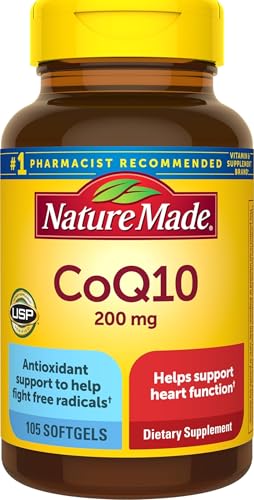
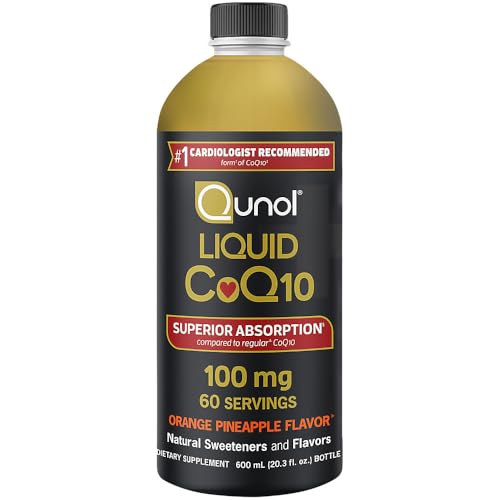
Differences in CoQ10 form (ubiquinone vs. ubiquinol), dose (ranging from 100 mg to 600 mg per day across studies), trial duration (30 to 90 days in some myopathy trials, 2 years in Q-SYMBIO), and baseline CoQ10 status of participants all affect outcomes. Shorter, lower-dose trials are less likely to detect an effect even if one exists, which is a common limitation across the statin-myopathy literature specifically.
What This Means for Expectations
If cardiovascular support in the context of heart failure is the goal, CoQ10 has genuine randomized trial backing with hard outcomes. If the goal is resolving statin-related muscle aches, it’s a reasonable option to discuss with a physician, but the evidence doesn’t support treating it as a settled, guaranteed solution. This distinction is worth understanding before deciding on dose or form.

How to Read a CoQ10 Trial Before Trusting the Headline
Trials on this compound vary enough that the design usually explains the result. Four things are worth checking before accepting a summary. Who was studied, and in particular whether they were likely to be low to begin with, since a nutrient tends to show its clearest effects in people who are short of it. Which form and how much was given. How long the trial ran. And what was actually measured at the end.
That last point separates the strong evidence from the suggestive. A trial counting hospital admissions or deaths is reporting something that matters to a patient directly. A trial reporting a change in a blood marker is reporting a step that may or may not lead there. Both are legitimate research, but they do not carry the same weight, and press coverage routinely treats them as if they do. Reading which one you are looking at costs a moment and changes how much a finding should move your thinking.
Where the Evidence Is Thinnest
The weakest area is also the most heavily marketed: generally healthy adults taking CoQ10 for everyday energy, aging or general wellness. Trials in that population are fewer, shorter and mostly built around markers or questionnaires rather than outcomes, so there is much less to go on than the category’s popularity would suggest.
That absence is not proof it does nothing. It means the question has not been answered well, which is a different statement and an honest one to sit with. The practical reading is to treat the condition-specific evidence and the general-wellness case as separate arguments, and to be more skeptical of confident claims in the second. Anyone considering it alongside a prescribed medication should raise it with the prescriber rather than infer safety from trial results in a different population.
Why do different reviews of the same question reach different conclusions?
Because they pool different sets of trials. Which studies are included, and whether short low-dose trials are counted alongside longer ones, can move a pooled result in either direction, which is why two honest reviews can disagree.
Is a large trial always more trustworthy than a small one?
Size helps, but design matters as much. A large trial measuring only a blood marker over a few weeks may tell you less about real benefit than a smaller one that followed patients for far longer and counted outcomes that matter to them.
References
- The effect of coenzyme Q10 on morbidity and mortality in chronic heart failure: results from Q-SYMBIO: a randomized double-blind trial. JACC. Heart failure, 2014
- Effects of coenzyme Q10 supplementation on statin-induced myopathy: a meta-analysis of randomized controlled trials. Irish journal of medical science, 2021
These statements have not been evaluated by the Food and Drug Administration. This information is not intended to diagnose, treat, cure, or prevent any disease. Content is for informational purposes only and is not medical advice; consult a qualified healthcare provider before starting any supplement. As an Amazon Associate we earn from qualifying purchases.