Coenzyme Q10 (CoQ10) is a compound naturally produced in the body and found in various foods. As women navigate midlife and menopause, understanding dietary sources of CoQ10 can be a valuable part of supporting overall well-being.
While the body produces CoQ10, incorporating foods rich in this compound can contribute to your daily intake. This article explores common coq10 food sources and offers practical ways to include them in your diet.
Understanding CoQ10 and Its Role
CoQ10, also known as ubiquinone or ubiquinol, plays a role in cellular energy production. It is also recognized for its antioxidant properties, which help protect cells from oxidative stress [1]. As we age, the body’s natural production of CoQ10 may decline, making dietary intake and potential supplementation a topic of interest for many.
For women in midlife, supporting cellular health is a common focus. While specific effects can vary, maintaining adequate CoQ10 levels through diet is a sensible approach to general wellness. Research has explored the potential influence of CoQ10 on various physiological processes, including skin parameters [2] and lipid profiles [3].
Top CoQ10 Food Sources to Consider
Incorporating a variety of foods known to contain CoQ10 can help support your levels. Animal proteins are generally among the richest coq10 food sources. Organ meats, such as liver and heart, contain some of the highest concentrations of CoQ10. While not always a staple in every diet, these can be a potent source for those who consume them.
Fatty fish, including salmon, tuna, and mackerel, are also good coq10 food sources. These fish also provide beneficial omega-3 fatty acids, making them a nutritious addition to a midlife diet. Regular consumption of these fish can contribute to your CoQ10 intake.

Other animal products like beef, pork, and chicken also contain CoQ10, though in smaller amounts compared to organ meats or fatty fish. Including a diverse range of these proteins in your meals can help ensure a consistent intake of CoQ10.
Plant-Based CoQ10 Food Sources
For those following a vegetarian or vegan diet, or simply looking to diversify their intake, several plant-based foods also offer CoQ10. While typically in lower concentrations than animal products, these sources can still contribute meaningfully to your overall intake.
Nuts and seeds, such as peanuts, pistachios, and sesame seeds, are notable coq10 food sources. Incorporating a handful of nuts or seeds into your daily snacks or meals can be an easy way to boost your CoQ10 intake. Soybeans and soybean products like tofu and tempeh also contain CoQ10.
Certain vegetables, including spinach, broccoli, and cauliflower, provide smaller amounts of CoQ10. While not as concentrated as animal sources, consuming a wide array of colorful vegetables supports overall health and contributes to the body’s nutrient profile. Some plant-based sources of CoQ10 are also important for processes like seed development and germination [4].
Maximizing CoQ10 Absorption from Food
CoQ10 is a fat-soluble compound, meaning it is better absorbed when consumed with fats. Therefore, pairing coq10 food sources with healthy fats can enhance its bioavailability. For example, enjoying fatty fish with avocado or nuts with olive oil can be beneficial.
Cooking methods can also influence nutrient content. While specific studies on CoQ10 degradation during cooking are varied, generally, gentler cooking methods that preserve nutrients are recommended. Steaming or baking rather than high-heat frying might help maintain CoQ10 levels in foods.
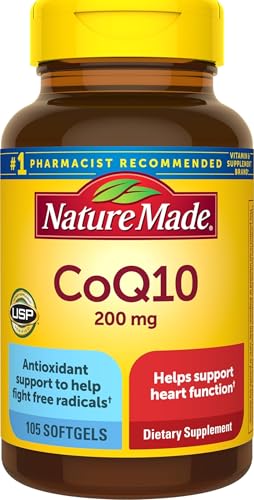
It’s important to remember that dietary intake alone may provide relatively modest amounts of CoQ10 compared to some supplemental forms. However, a balanced diet rich in diverse coq10 food sources remains a fundamental aspect of supporting overall health during midlife and menopause.
The Broader Picture: CoQ10 and Midlife Wellness
Maintaining a balanced diet rich in various nutrients, including CoQ10, is a cornerstone of wellness. Research continues to explore the wide-ranging effects of CoQ10. For instance, studies have investigated its role in skin parameters and condition [2] and associations between dietary CoQ10 intake and lipid profiles in adults [3].
While direct impacts on menopause symptoms are not broadly established, supporting cellular function and antioxidant defenses through diet is a generally beneficial strategy. The cumulative effect of a nutrient-dense diet, including CoQ10-rich foods, contributes to overall vitality and can be a part of a proactive approach to healthy aging [5].

References
- Antioxidants for Skin Health. Recent advances in food, nutrition & agriculture, 2025
- The effect of dietary intake of coenzyme Q10 on skin parameters and condition: Results of a randomised, placebo-controlled, double-blind study. BioFactors (Oxford, England), 2017
- Associations between dietary coenzyme Q10 intake and lipid profiles in adults: a national cross-sectional study. Frontiers in nutrition, 2024
- The Arabidopsis electron-transfer flavoprotein:ubiquinone oxidoreductase is required during normal seed development and germination. The Plant journal : for cell and molecular biology, 2022
- Effects of lifetime supplementation with ubiquinol 10 on the lifespan and progression of aging in female C57BL/6 mice. Experimental gerontology, 2025
These statements have not been evaluated by the Food and Drug Administration. This information is not intended to diagnose, treat, cure, or prevent any disease. Content is for informational purposes only and is not medical advice; consult a qualified healthcare provider before starting any supplement. As an Amazon Associate we earn from qualifying purchases.