Muscle pain and weakness are common experiences that can significantly impact quality of life, particularly during midlife and menopause. From general aches to specific conditions, finding ways to support muscle comfort and function is a priority for many women.
Coenzyme Q10 (CoQ10), specifically in its ubiquinol form, is a compound vital for cellular energy production. Given its role in energy pathways, there’s interest in whether CoQ10 supplementation might offer support for muscle-related discomforts. This article will explore the current evidence regarding CoQ10 and muscle pain or weakness, focusing on what the research suggests.
Understanding CoQ10 and Its Role in Muscle Function
CoQ10 is an essential nutrient found in nearly every cell of the body. It plays a crucial role in the mitochondria, often referred to as the ‘powerhouses’ of the cell, where it is involved in producing adenosine triphosphate (ATP), the body’s primary energy currency [1]. Muscle cells, being highly active and energy-demanding, rely heavily on efficient mitochondrial function.
There are two main forms of CoQ10: ubiquinone and ubiquinol. Ubiquinol is the active, antioxidant form that is more readily absorbed by the body. As we age, the body’s ability to convert ubiquinone to ubiquinol may decrease, and overall CoQ10 levels can decline, potentially impacting cellular energy processes [1]. This decline might be particularly relevant for muscle health during midlife.
Given CoQ10’s central role in energy metabolism, it’s theorized that insufficient levels could potentially contribute to muscle fatigue or weakness by impairing energy production within muscle cells. This foundational understanding drives much of the research into CoQ10’s potential benefits for muscle health.


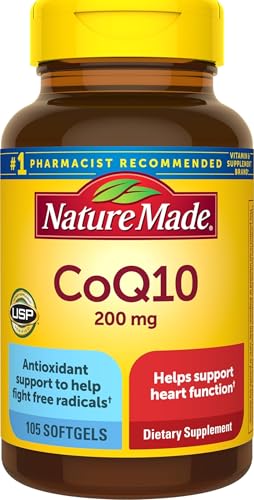
CoQ10 and Statin-Associated Muscle Symptoms
One of the most researched areas concerning CoQ10 and muscle discomfort is its potential role in addressing statin-associated muscle symptoms (SAMS). Statins are a class of medications commonly prescribed to manage cholesterol, but a significant side effect for some individuals is muscle pain, weakness, or cramping, collectively known as myalgia [2].
Multiple systematic reviews and meta-analyses have investigated the effectiveness of CoQ10 supplementation for SAMS. A systematic review from 2024 summarized findings on CoQ10 supplementation in statin-induced myopathy, indicating that some studies suggest a benefit [3]. However, another systematic review and meta-analysis from 2020 found no clear benefit of CoQ10 supplementation for statin-associated myalgia or for adherence to statin therapy [4].
While the evidence is not universally conclusive across all studies, with some showing mixed results, the recurring theme in several analyses points towards CoQ10 as a potential supportive option for individuals experiencing muscle discomfort while taking statins [5]. It’s thought that statins may deplete CoQ10 levels in the body, and supplementation aims to restore these levels, thereby supporting muscle cell function [5].
Addressing General Muscle Weakness and Fatigue
Beyond statin-induced issues, there’s interest in CoQ10’s potential to support general muscle weakness and fatigue. As discussed, CoQ10 is crucial for mitochondrial energy production, which is fundamental for muscle performance and recovery [1].
Some research explores CoQ10 in contexts where mitochondrial dysfunction is implicated. For instance, an overview from 2024 discussed mitochondrial dysfunction and CoQ10 supplementation in post-viral fatigue syndrome, a condition often characterized by significant fatigue and muscle weakness [6]. While this is a specific context, it highlights the broader understanding of CoQ10’s role in conditions linked to energy metabolism.

Additionally, a pilot study in individuals with chronic kidney disease investigated the effects of a mitochondrial-targeted ubiquinol on exercise capacity. The study found improvements in vascular function but no effect on exercise capacity [7]. This study did not look at muscle pain, and no effect on exercise capacity was seen.
Considerations for Midlife Women
During midlife and menopause, women often experience various physiological changes, including hormonal shifts that can impact muscle mass, strength, and overall energy levels. While CoQ10 is not a direct hormonal intervention, its role in supporting cellular energy production could be particularly relevant.
As natural CoQ10 levels may decline with age, ensuring adequate levels through diet or supplementation could potentially support overall vitality and muscle health [1]. Maintaining muscle strength and reducing fatigue can contribute significantly to quality of life during this life stage. However, it’s important to note that specific research directly linking CoQ10 supplementation to general muscle pain or weakness specifically in healthy midlife women is less robust than studies on statin-associated symptoms. The benefits observed in other populations, such as those with chronic conditions, suggest avenues for further exploration.
References
- Coenzyme Q(10). Methodist DeBakey cardiovascular journal, 2019
- Statin-associated neuromyotoxicity. Drugs of today (Barcelona, Spain : 1998), 2005
- Effectiveness of Coenzyme Q10 Supplementation in Statin-Induced Myopathy: A Systematic Review. Cureus, 2024
- Effect of Coenzyme Q10 on statin-associated myalgia and adherence to statin therapy: A systematic review and meta-analysis. Atherosclerosis, 2020
- CoQ10 and L-carnitine for statin myalgia?. Expert review of cardiovascular therapy, 2012
- Mitochondrial Dysfunction and Coenzyme Q10 Supplementation in Post-Viral Fatigue Syndrome: An Overview. International journal of molecular sciences, 2024
- Effects of a mitochondrial-targeted ubiquinol on vascular function and exercise capacity in chronic kidney disease: a randomized controlled pilot study. American journal of physiology. Renal physiology, 2023
These statements have not been evaluated by the Food and Drug Administration. This information is not intended to diagnose, treat, cure, or prevent any disease. Content is for informational purposes only and is not medical advice; consult a qualified healthcare provider before starting any supplement. As an Amazon Associate we earn from qualifying purchases.