Navigating fertility in midlife can present unique challenges, particularly as women approach or enter their 40s. Understanding factors that influence ovarian health becomes increasingly important during this stage.
Coenzyme Q10 (CoQ10), specifically in its ubiquinol form, is a compound that plays a role in cellular energy production and acts as an antioxidant. This article explores the current understanding of CoQ10’s potential to support ovarian health and fertility, especially for women over 40, based on available research.
Understanding Ovarian Aging and Fertility
As women age, the quantity and quality of oocytes (egg cells) naturally decline, a process often referred to as ovarian aging. This decline can impact fertility and the success rates of assisted reproductive technologies (ART) [1]. Factors such as oxidative stress are thought to contribute to this process [2].
Mitochondrial function within oocytes is crucial for their development and health. Research suggests that mitochondrial function can decline with reproductive aging [1]. This decline in mitochondrial efficiency may affect oocyte quality and, consequently, fertility potential [3].
The intricate metabolic pathways within the ovaries, including those related to mitochondrial activity, are areas of ongoing research concerning ovarian aging and potential nutritional interventions [3][4].
CoQ10’s Role in Cellular Energy and Antioxidant Support
CoQ10 is an essential component of the electron transport chain, a process within mitochondria that generates cellular energy (ATP). This role in energy production is fundamental for highly energetic cells, including oocytes [1].
Beyond its energy-producing function, CoQ10 also acts as a potent antioxidant, helping to neutralize free radicals that can cause oxidative damage to cells and DNA [2]. Oxidative stress is implicated in various aspects of reproductive aging, including potential damage to ovarian reserve [2].
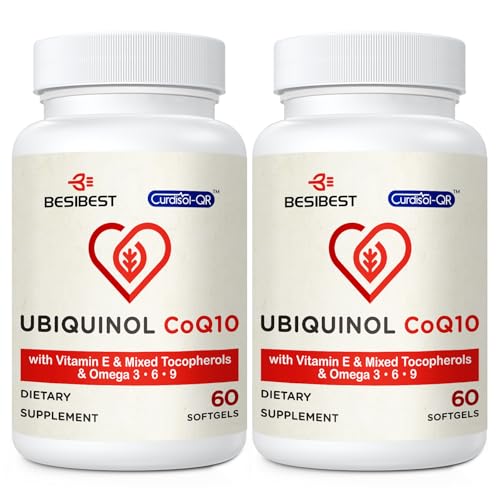
The ubiquinol form of CoQ10 is the active, antioxidant form. It is considered a conditionally essential nutrient, particularly during critical early-life stages and potentially in situations of increased demand [5].
CoQ10 and Ovarian Response in Assisted Reproduction
For women undergoing assisted reproductive technologies like IVF/ICSI, ovarian response and embryo quality are key determinants of success. Some research has explored whether CoQ10 supplementation might influence these outcomes.
A systematic review and meta-analysis from 2024 investigated CoQ10 pretreatment for women with diminished ovarian reserve undergoing IVF/ICSI. The findings suggested a potential clinical benefit in certain areas, though further robust research is always valuable [6].
Another randomized controlled trial from 2018 indicated that pretreatment with CoQ10 might improve ovarian response and embryo quality in young women with a low prognosis and decreased ovarian reserve [7]. These findings suggest a possible role for CoQ10 in supporting ovarian function during ART cycles.
Antioxidants and Ovarian Aging: A Broader Perspective
The concept of using antioxidants to support fertility in women experiencing ovarian aging is an area of active investigation. A systematic review and meta-analysis published in 2024 specifically examined antioxidants and fertility in women with ovarian aging [8]. This broader review provides context for CoQ10’s role as an antioxidant in reproductive health.

While direct evidence for CoQ10’s ability to ‘protect’ ovarian reserve from oxidative damage is still being elucidated, its known antioxidant properties offer a theoretical basis for its exploration in this context [2].
Further research, such as a randomized, double-blind, placebo-controlled trial examining the effect of CoQ10 pretreatment on ovarian reserve in women undergoing hysterectomy with bilateral salpingectomy, aims to provide more clarity on these potential effects [9].
CoQ10 and Oocyte Quality
The quality of oocytes is paramount for successful conception and healthy embryonic development. Research suggests that CoQ10 may play a role in supporting oocyte mitochondrial function, which is critical for oocyte quality [1].
One study demonstrated that CoQ10 supplementation was associated with restoring oocyte mitochondrial function during reproductive aging, which in turn was linked to improved fertility outcomes in animal models [1]. While promising, it’s important to remember that animal study findings do not always translate directly to humans.
The complex interplay of mitochondrial function, oxidative phosphorylation pathways, and oocyte development is a focus of ongoing research, including studies looking at gene expression in embryos [10]. Understanding these mechanisms helps shed light on how nutrients like CoQ10 might influence reproductive outcomes.


References
- Coenzyme Q10 restores oocyte mitochondrial function and fertility during reproductive aging. Aging cell, 2015
- Can Coenzyme Q10 supplementation protect the ovarian reserve against oxidative damage?. Journal of assisted reproduction and genetics, 2016
- Examining the Effects of Nutrient Supplementation on Metabolic Pathways via Mitochondrial Ferredoxin in Aging Ovaries. Nutrients, 2024
- Investigating the Role of Ferroptosis-Related Genes in Ovarian Aging and the Potential for Nutritional Intervention. Nutrients, 2023
- Ubiquinol in Fertility and Reproduction: A Conditionally Essential Nutrient for Critical Early-Life Stages. Nutrients, 2026
- Clinical evidence of coenzyme Q10 pretreatment for women with diminished ovarian reserve undergoing IVF/ICSI: a systematic review and meta-analysis. Annals of medicine, 2024
- Pretreatment with coenzyme Q10 improves ovarian response and embryo quality in low-prognosis young women with decreased ovarian reserve: a randomized controlled trial. Reproductive biology and endocrinology : RB&E, 2018
- Antioxidants and Fertility in Women with Ovarian Aging: A Systematic Review and Meta-Analysis. Advances in nutrition (Bethesda, Md.), 2024
- The effect of coenzyme Q10 pretreatment on ovarian reserve in women undergoing hysterectomy with bilateral salpingectomy: a randomised, double-blind, placebo-controlled trial. The British journal of nutrition, 2025
- Deregulation of oxidative phosphorylation pathways in embryos derived in vitro from prepubertal and pubertal heifers based on whole-transcriptome sequencing. BMC genomics, 2024
These statements have not been evaluated by the Food and Drug Administration. This information is not intended to diagnose, treat, cure, or prevent any disease. Content is for informational purposes only and is not medical advice; consult a qualified healthcare provider before starting any supplement. As an Amazon Associate we earn from qualifying purchases.