Coenzyme Q10 (CoQ10), particularly in its ubiquinol form, is a compound that can be sensitive to environmental factors. Understanding how to store your CoQ10 supplements properly is key to helping maintain their potency and ensuring you get the most from them.
This guide provides evidence-based information on optimal CoQ10 storage practices to support its stability and shelf life, helping you navigate your midlife and menopause journey with confidence in your supplement routine.
Understanding CoQ10 Stability and Degradation
CoQ10, especially ubiquinol, is known for its susceptibility to degradation when exposed to certain conditions. Research indicates that both the reduced (ubiquinol) and oxidized (ubiquinone) forms of CoQ10 can be impacted by factors like light, heat, and oxygen [1]. This sensitivity means that how a supplement is manufactured and stored can play a significant role in its overall stability.
The chemical structure of CoQ10 makes it prone to oxidation, particularly the ubiquinol form, which can convert back to ubiquinone. This conversion, while not necessarily rendering the product useless, can affect the intended form you are taking. Protecting CoQ10 from these environmental stressors is a primary goal in maintaining its quality over time [1].
The Impact of Light and Heat on CoQ10
Light exposure is a significant factor in CoQ10 degradation. Direct sunlight or even prolonged exposure to artificial light can initiate chemical reactions that reduce the stability of CoQ10. This is why many CoQ10 supplements are packaged in opaque bottles or blister packs, designed to shield the contents from light [1].
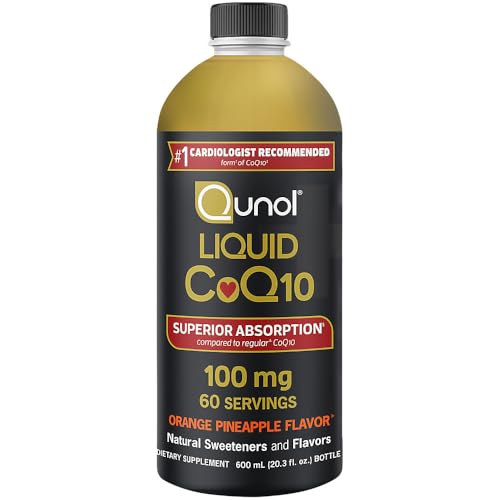
Heat is another critical environmental factor. Elevated temperatures can accelerate the degradation process of CoQ10. Studies have explored various formulations and their stability under different temperature conditions, consistently finding that lower temperatures generally support better stability [1]. Storing CoQ10 in a cool environment, away from heat sources like stoves or direct sun-warmed windows, is therefore advisable.
Oxygen Exposure and CoQ10 Oxidation
Oxygen is a primary antagonist to ubiquinol, the reduced form of CoQ10. Ubiquinol can readily oxidize to ubiquinone when exposed to air [1]. This is a natural chemical process, and while ubiquinone is also a valuable form of CoQ10, if you specifically seek ubiquinol, minimizing oxygen exposure is important.
Manufacturers often employ strategies to mitigate oxygen exposure, such as using airtight containers, nitrogen-flushed packaging, or incorporating antioxidants in the formulation. Once opened, supplements are more vulnerable to oxygen. Therefore, it’s generally best to keep the container tightly sealed when not in use to help limit air exposure and maintain the coq10 storage shelf life.
Optimal Storage Practices for CoQ10 Supplements
Based on the understanding of CoQ10’s sensitivities, several best practices emerge for optimal storage. First, always store your CoQ10 supplements in their original packaging. This packaging is specifically designed to protect the contents from light and sometimes air [1].
Second, choose a cool, dark place for storage. A cupboard or pantry shelf, away from direct sunlight, windows, and heat-generating appliances, is often ideal. Avoid storing supplements in bathrooms or kitchens where temperature and humidity can fluctuate significantly. While refrigeration isn’t always necessary unless specified by the manufacturer, consistently cool temperatures can be beneficial for stability [1].

Third, ensure the lid or seal is securely closed after each use. This helps to minimize exposure to both oxygen and moisture, both of which can contribute to degradation. Adhering to these simple practices can significantly contribute to maintaining the potency and coq10 storage shelf life of your ubiquinol supplements.

Shelf Life and Expiration Dates
All supplements have a designated shelf life, typically indicated by an expiration or ‘best by’ date on the packaging. This date reflects the period during which the manufacturer can guarantee the product’s potency and quality, assuming proper storage conditions. It’s important to respect these dates and avoid consuming supplements past their expiration.
While proper storage can help maintain potency up to the expiration date, it does not extend the shelf life beyond what the manufacturer has determined. Always check the expiration date upon purchase and before each use. Discard any supplements that have passed their date or show signs of degradation, such as changes in color, texture, or smell, even if they haven’t reached their expiration.

References
- Stability of Reduced and Oxidized Coenzyme Q10 in Finished Products. Antioxidants (Basel, Switzerland), 2021
These statements have not been evaluated by the Food and Drug Administration. This information is not intended to diagnose, treat, cure, or prevent any disease. Content is for informational purposes only and is not medical advice; consult a qualified healthcare provider before starting any supplement. As an Amazon Associate we earn from qualifying purchases.