Navigating the world of dietary supplements, especially during midlife and menopause, can be complex. When considering CoQ10 (ubiquinol) supplements, questions about quality, purity, and potency often arise. This article aims to demystify CoQ10 supplement certifications, providing women with a clearer understanding of what various quality seals represent.
Understanding these certifications can be a valuable tool in making informed decisions about which CoQ10 products might best align with individual needs and preferences. While CoQ10 is a subject of ongoing research, particularly concerning its potential roles in areas like heart health and reproductive health, recognizing quality markers is a practical step for any consumer [1][2].
Why CoQ10 Supplement Certifications Matter
The supplement industry, while regulated, differs from the pharmaceutical industry in some key aspects. This means that the responsibility often falls to the consumer to evaluate the quality and reliability of products. For women exploring CoQ10, especially during significant life stages like midlife and menopause, knowing that a product has undergone independent scrutiny can offer a degree of reassurance.
CoQ10 itself is a compound that can be formulated in various ways, and its preparation can influence factors such as absorption [3]. Certifications can provide an indication that a manufacturer adheres to certain standards, which may extend to the purity of ingredients and the accuracy of labeling. This is particularly relevant when considering the potential roles of CoQ10 in supporting overall well-being, as suggested by some research in areas like heart failure and reproductive health [1][2].
Without proper oversight, there’s a possibility of variability in product quality, which could impact the consistency of the CoQ10 content or the presence of unwanted contaminants. Therefore, understanding coq10 supplement certifications can be a foundational step in selecting a product.
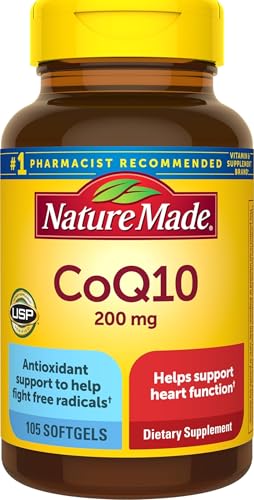

Understanding Good Manufacturing Practices (GMP)
One of the most fundamental certifications to look for is adherence to Good Manufacturing Practices (GMP). GMP regulations are established by regulatory bodies to ensure that products are consistently produced and controlled according to quality standards. This covers all aspects of production, from the starting materials, premises, and equipment to the training and personal hygiene of staff.
For CoQ10 supplements, GMP certification indicates that the product was manufactured in facilities that follow strict operational procedures. This helps to minimize risks to consumers, such as cross-contamination, mix-ups, and errors. It’s a baseline assurance that the product was made with a focus on quality control and consistency.
While GMP doesn’t directly speak to the efficacy of CoQ10, it’s a crucial indicator of a manufacturer’s commitment to producing a reliable product. For women considering CoQ10 for various reasons, including its potential antioxidant properties, knowing a product is GMP-certified offers a foundational level of trust in the manufacturing process itself [4].
Third-Party Testing and Verification Seals
Beyond GMP, several independent organizations offer third-party testing and verification programs for dietary supplements. These programs go a step further by independently testing products to verify ingredient purity, potency, and sometimes even dissolution. Common seals include those from organizations like USP (United States Pharmacopeia), NSF International, and ConsumerLab.com.

When a CoQ10 supplement carries a seal from one of these organizations, it generally means that the product has been voluntarily submitted for independent evaluation. This evaluation typically confirms that what is on the label is actually in the bottle, in the stated amounts, and that the product is free from harmful levels of contaminants such as heavy metals or microbes.
For women seeking coq10 supplement certifications, these third-party seals offer an additional layer of confidence. They can be particularly helpful in distinguishing between products in a crowded market and provide an objective assessment of a supplement’s contents. This external validation can be especially reassuring when considering CoQ10 for supportive purposes, as described in research related to areas like oocyte quality or heart health [2][1].
Specific Ingredient Certifications: Kaneka Q10® and Ubiquinol™
Some CoQ10 products may feature certifications related to the specific form of CoQ10 used, such as Kaneka Q10® or Ubiquinol™. Kaneka Q10® is a widely recognized brand of CoQ10 that is fermented from yeast, ensuring a highly pure and natural form of CoQ10. Ubiquinol™ is the active, antioxidant form of CoQ10, and supplements containing this form often highlight its enhanced bioavailability compared to ubiquinone, the oxidized form [3].
When a CoQ10 supplement prominently displays these ingredient-specific certifications, it often indicates that the manufacturer is using a premium, well-researched ingredient source. This can be an important consideration for women who are specifically looking for the ubiquinol form, which some research suggests may be more readily utilized by the body [3].
These certifications are not just about manufacturing standards but also about the quality and specific characteristics of the CoQ10 raw material itself. For individuals interested in the details of CoQ10 formulation and its potential implications for various aspects of health, including reproductive health or general antioxidant support, these ingredient-specific seals can be valuable indicators [2][4].
Making Informed Choices for Your Health Journey
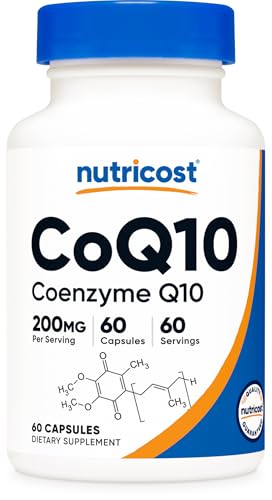
Understanding coq10 supplement certifications empowers women to make more informed decisions about their health choices. By looking for GMP certification, third-party testing seals, and specific ingredient certifications, you can gain a clearer picture of a product’s quality and the manufacturer’s commitment to transparency.
While certifications do not guarantee specific health outcomes, they provide a framework for assessing product reliability. For women navigating midlife and menopause, where health considerations can be diverse, selecting a CoQ10 supplement with recognized quality seals can be a practical step in a broader approach to well-being. This approach aligns with the careful consideration often given to other health strategies, such as those explored in research concerning ovarian stimulation or lower urinary tract symptoms [5][6].
Ultimately, the goal is to choose products that meet high standards of quality and purity, allowing you to focus on the potential benefits of CoQ10 with greater confidence. Always consider your individual health context and discuss supplement choices with a qualified healthcare professional.
References
- Coenzyme Q10 for heart failure. The Cochrane database of systematic reviews, 2021
- Vitamins, Coenzyme Q10, and Antioxidant Strategies to Improve Oocyte Quality in Women with Gynecological Cancers: A Comprehensive Review. Antioxidants (Basel, Switzerland), 2024
- Preparation and quality evaluation of coenzyme Q10 long-circulating liposomes. Saudi journal of biological sciences, 2017
- Antioxidant therapy in inborn metabolic diseases. Molecular genetics and metabolism, 2025
- Adjuvant treatment strategies in ovarian stimulation for poor responders undergoing IVF: a systematic review and network meta-analysis. Human reproduction update, 2020
- Effects of L-Carnitine and Coenzyme Q10 Supplementation on Lower Urinary Tract Symptoms in Men with Benign Prostatic Hyperplasia: A Randomized, Controlled, Clinical Trial. Nutrition and cancer, 2024
These statements have not been evaluated by the Food and Drug Administration. This information is not intended to diagnose, treat, cure, or prevent any disease. Content is for informational purposes only and is not medical advice; consult a qualified healthcare provider before starting any supplement. As an Amazon Associate we earn from qualifying purchases.