As women navigate midlife and menopause, understanding supplement choices becomes increasingly relevant. Coenzyme Q10 (CoQ10) is a compound naturally produced in the body, vital for cellular energy production and acting as an antioxidant. While the body produces CoQ10, levels can naturally decline with age.
For those considering CoQ10 supplementation, particularly the ubiquinol form, making informed choices about product quality is important. This guide aims to help you understand key factors when selecting a CoQ10 supplement, focusing on what to look for to support your health goals.
Ubiquinol vs. Ubiquinone: Understanding the Forms of CoQ10
CoQ10 exists in two primary forms: ubiquinone and ubiquinol. Ubiquinone is the oxidized form, which the body must convert into ubiquinol to be utilized. Ubiquinol is the active, antioxidant form of CoQ10. As we age, the body’s ability to convert ubiquinone to ubiquinol may decrease.
For women in midlife and beyond, choosing a supplement that provides CoQ10 in its ubiquinol form may be a consideration due to its direct bioavailability. While both forms can be effective, ubiquinol is often promoted for its ready-to-use nature within the body. When comparing products, check the supplement facts label to identify which form of CoQ10 is present.

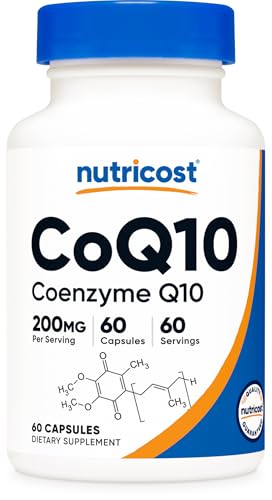
Dosage Considerations for CoQ10 Supplements
Determining an appropriate CoQ10 dosage can depend on individual needs and health considerations. For general wellness support, dosages can vary significantly between products. Some research has explored CoQ10 in specific contexts, such as heart health, where higher dosages have been used [1].
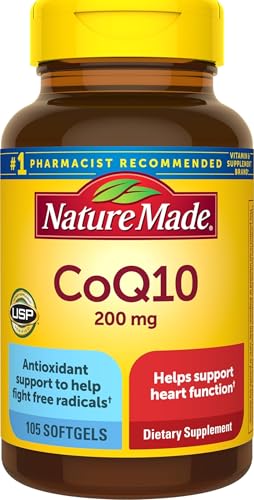
In the context of reproductive health, studies have investigated CoQ10 supplementation in women. For example, some research has looked at the effect of CoQ10 on oocyte quality in older women undergoing ART treatment, using various dosages [2][3][4]. Another systematic review examined antioxidants for female subfertility [5]. If you are considering CoQ10 for a specific health goal, discussing dosage with a healthcare professional is advisable.
It’s also worth noting that some individuals, such as those taking statin medications, might consider CoQ10 supplementation. A meta-analysis suggested CoQ10 might help with statin-induced myopathy [6]. Again, any such consideration should be discussed with a doctor.
Third-Party Testing and Quality Assurance
When selecting any supplement, quality assurance is paramount. Look for CoQ10 supplements that have undergone third-party testing. This means an independent organization has evaluated the product to verify its contents, purity, and potency. Certifications from reputable organizations indicate that a product has met specific quality standards.
Third-party testing can help confirm that the supplement contains the amount of CoQ10 stated on the label and is free from unwanted contaminants. This step adds a layer of confidence in the product’s quality and helps ensure you are getting what you pay for.
Ingredient Transparency and Additives
Carefully review the ‘Supplement Facts’ panel and the ‘Other Ingredients’ list. A high-quality CoQ10 supplement should have a clear and transparent ingredient list. Be mindful of unnecessary fillers, artificial colors, flavors, or preservatives, especially if you have sensitivities or allergies.

Some CoQ10 supplements may include additional ingredients, such as healthy fats or oils (e.g., olive oil or sunflower oil), which are sometimes added to enhance absorption, as CoQ10 is a fat-soluble compound. Understanding all ingredients can help you make a choice that aligns with your dietary preferences and health objectives.
Reputation of the Manufacturer
The reputation of the supplement manufacturer can offer insights into the quality and reliability of their products. Companies with a long-standing history of producing high-quality supplements and positive customer feedback are often a safer bet. Researching the brand’s manufacturing practices, commitment to quality, and customer service can provide valuable information.
Look for companies that are transparent about their sourcing of ingredients and their manufacturing processes. A reputable manufacturer will typically be open about how their products are made and the steps they take to ensure quality and safety.
References
- Coenzyme Q10 for heart failure. The Cochrane database of systematic reviews, 2021
- The Effect of CoQ10 supplementation on ART treatment and oocyte quality in older women. Human fertility (Cambridge, England), 2023
- Does Coenzyme Q10 Supplementation Improve Human Oocyte Quality?. International journal of molecular sciences, 2021
- Antioxidants and Fertility in Women with Ovarian Aging: A Systematic Review and Meta-Analysis. Advances in nutrition (Bethesda, Md.), 2024
- Antioxidants for female subfertility. The Cochrane database of systematic reviews, 2020
- Effects of Coenzyme Q10 on Statin-Induced Myopathy: An Updated Meta-Analysis of Randomized Controlled Trials. Journal of the American Heart Association, 2018
These statements have not been evaluated by the Food and Drug Administration. This information is not intended to diagnose, treat, cure, or prevent any disease. Content is for informational purposes only and is not medical advice; consult a qualified healthcare provider before starting any supplement. As an Amazon Associate we earn from qualifying purchases.