CoQ10 supplements are a modern retail product, but the compound itself has been studied for nearly seven decades. Understanding where it came from helps explain why the research base is as deep as it is.
The 1957 Discovery
CoQ10 (as ubiquinone) was first isolated from beef heart mitochondria in 1957 by Frederick L. Crane and colleagues at the University of Wisconsin, working in David E. Green’s mitochondrial research lab [1]. The same year, a British researcher, Professor R.A. Morton, independently identified a related compound from vitamin A-deficient rat liver and proposed the name “ubiquinone,” reflecting its near-universal presence across tissues and species.
From Chemistry to Medicine
Once the compound was isolated, chemist Karl Folkers and colleagues at Merck worked out its exact molecular structure and began investigating its biological role and potential medical relevance through the 1960s and 1970s [1]. This structural work laid the foundation for the electron transport chain research that later explained CoQ10’s mechanism, and for the clinical research into deficiency states that followed in subsequent decades.

From Lab Compound to Consumer Supplement
It took roughly three decades after the initial discovery for CoQ10 to move from biochemistry labs into consumer supplement form, driven largely by Japanese pharmaceutical research in the 1970s and 80s and, later, interest in statin-associated CoQ10 depletion once statins became widely prescribed in the 1990s. The ubiquinol form, the reduced and more bioactive version of the molecule, became commercially available as a stabilized supplement considerably later, in the mid-2000s, once manufacturers solved the technical challenge of keeping the reduced form stable outside the body.
Why the History Matters Today
CoQ10 isn’t a recently discovered or lightly studied ingredient riding a trend cycle. It has a continuous research history stretching back to the 1950s, spanning basic mitochondrial biochemistry, structural chemistry, and eventually large clinical outcome trials like Q-SYMBIO. That long research arc is part of why CoQ10 has one of the more mature evidence bases of any supplement ingredient on the market today.

One Molecule, Several Names
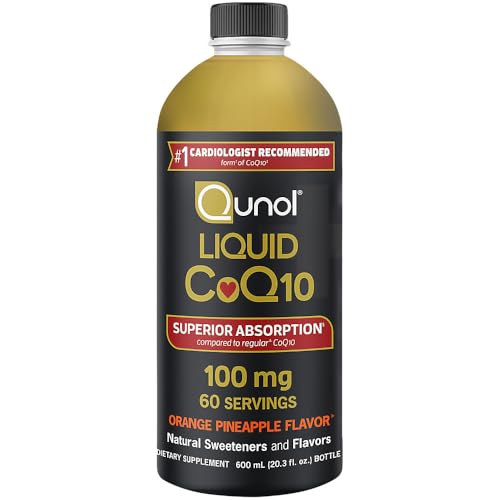
Much of the confusion shoppers meet on a label traces directly back to this history. The compound picked up more than one name because more than one laboratory arrived at it from a different direction, one through mitochondrial energy research and one through work on fat-soluble compounds in tissue. Coenzyme Q10 describes its role as a partner to enzymes; the ubiquinone name describes how widely it turns up across living things.
Layered on top is the distinction between the oxidized and reduced forms, which are the same molecule in two states rather than two different ingredients. A label may lead with any of these names, which is why two products can look like different compounds while being the same nutrient in a different state or simply under an older name.
From Deficiency Medicine to the General Wellness Aisle
The early clinical interest grew out of conditions where the compound was genuinely lacking or where mitochondrial function was impaired. That is a narrow starting point, and it is where the most serious research effort was concentrated for decades before the supplement aisle existed in its current form.
The consumer category that followed is much broader than that original question. Claims moved outward from specific deficiency and disease contexts toward general energy and healthy aging, without the evidence base expanding at the same rate or in the same direction. Knowing that the research began somewhere specific is useful precisely because it explains why the strongest findings are condition-specific while the marketing is not.
Are coenzyme Q10, CoQ10 and ubiquinone the same thing?
They refer to the same compound, arrived at by different research routes and named accordingly. The separate ubiquinol name refers to its reduced state rather than to a different ingredient.
Does a long research history mean a supplement is more reliable?
It means the questions have been studied for longer, which is genuinely different from a newly popular ingredient. It does not transfer evidence from the contexts that were studied to every use now marketed.
References
- Discovery of ubiquinone (coenzyme Q) and an overview of function. Mitochondrion, 2007
These statements have not been evaluated by the Food and Drug Administration. This information is not intended to diagnose, treat, cure, or prevent any disease. Content is for informational purposes only and is not medical advice; consult a qualified healthcare provider before starting any supplement. As an Amazon Associate we earn from qualifying purchases.