Ready to buy? Check current prices on Amazon and compare deals before you decide.
Navigating midlife and menopause brings many questions about supporting well-being, and CoQ10 (specifically its active form, ubiquinol) is often discussed. For women considering this supplement, a common query arises: when is the best time to take CoQ10 – in the morning or evening – to optimize its potential effects?
This article will explore general considerations for CoQ10 intake, acknowledging that specific evidence on optimal timing for midlife women is limited. We’ll focus on practical aspects and what is generally understood about CoQ10 absorption and its role in the body.
Understanding CoQ10 and Absorption
CoQ10 is a fat-soluble compound, meaning it dissolves in fats and oils. This characteristic is important because it influences how well your body can absorb and utilize it. For fat-soluble supplements, taking them with a meal that contains some fat can significantly enhance their absorption.
Ubiquinol is the active, more readily absorbed form of CoQ10. While CoQ10 is naturally produced in the body and found in some foods, supplementation can be considered, especially as natural levels may decline with age. The goal with timing is often to maximize its bioavailability, allowing the body to make the most of the supplement.


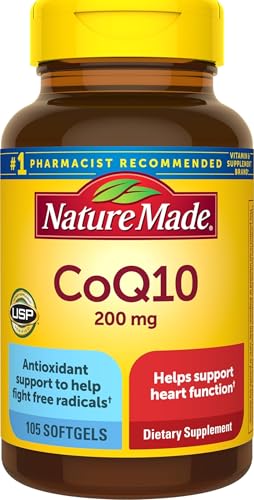
Morning Intake: Energy and Daily Support
Many individuals choose to take their CoQ10 supplement in the morning. This timing aligns with the idea of supporting cellular energy production throughout the day. CoQ10 plays a role in the mitochondria, often referred to as the ‘powerhouses’ of our cells, where energy is generated.[1] Taking it earlier in the day might be appealing for those looking to support their daily energy metabolism.
Furthermore, taking supplements with breakfast or a morning meal ensures they are consumed with food, which, as mentioned, can aid in the absorption of fat-soluble compounds like CoQ10. This approach can help establish a consistent routine, making it easier to remember to take the supplement regularly.
Evening Intake: Rest and Recovery Considerations
While less common than morning intake, some people consider taking CoQ10 in the evening. The rationale behind this might be to support the body’s processes during rest and recovery. However, there isn’t specific evidence to suggest that evening intake provides unique benefits over morning intake for CoQ10.
One potential consideration for evening intake is how it might interact with sleep patterns. CoQ10 is not typically associated with stimulating effects that would disrupt sleep. However, individual responses to supplements can vary. If you choose to take it in the evening, ensuring it’s still with a meal containing some fat remains important for absorption.

The Importance of Consistency Over Exact Timing
Given the limited specific evidence on optimal timing for CoQ10 (ubiquinol), particularly for women in midlife, consistency likely holds more weight than the precise hour of the day. The body benefits from a steady supply of nutrients, and regular intake helps maintain consistent levels in the system.
Establishing a routine that works for you – whether that’s with breakfast, lunch, or another meal – is key. The most ‘optimal’ time to take CoQ10 is when you will consistently remember to take it with a meal containing fat, ensuring good absorption day after day.
What the Research Says About Timing (or Doesn’t Say)
It’s important to be transparent: there is currently limited specific research directly comparing the efficacy of morning versus evening CoQ10 (ubiquinol) intake, especially for women navigating midlife and menopause. Most studies on CoQ10 focus on its overall benefits and absorption, rather than pinpointing an ideal time of day.
Therefore, recommendations regarding morning versus evening intake are largely based on general principles of supplement absorption and personal preference, rather than strong clinical evidence. As research evolves, more specific guidance may emerge.
References
- Clinical applications of coenzyme Q10. Frontiers in Bioscience (Landmark Edition) (2014). PMID 24389208
These statements have not been evaluated by the Food and Drug Administration. This information is not intended to diagnose, treat, cure, or prevent any disease. Content is for informational purposes only and is not medical advice; consult a qualified healthcare provider before starting any supplement. As an Amazon Associate we earn from qualifying purchases.