If you’re over 40 and starting an IVF cycle, you’ve probably already been told that egg quality, not egg quantity, is the main hurdle at this age. CoQ10 comes up constantly in fertility clinic recommendations and online forums as a way to support that quality, usually alongside gonadotropins and other stimulation medications. Here’s what the actual trial evidence says, and what it doesn’t.
Why CoQ10 Is Discussed for Age-Related Egg Quality
Oocytes are unusually mitochondria-dense cells, and mitochondrial function declines with age in a way that appears to track with declining egg quality. Research comparing oocytes from older and younger females, in both mouse models and human tissue, found reduced expression of Pdss2 and Coq6, two enzymes the body needs to synthesize its own CoQ10, in the oocytes of older females [1].
In the same research, CoQ10 administration was able to reverse the age-related decline in oocyte quality and quantity measured in the mouse model [1]. That’s the mechanistic rationale clinics are drawing on: if CoQ10 synthesis capacity is part of what declines with reproductive age, supplementing it directly is a reasonable hypothesis to test.


What the Human Trials Actually Found
A randomized controlled trial pretreated young women with decreased ovarian reserve with CoQ10 for 60 days before an IVF-ICSI cycle. The CoQ10 group needed significantly less gonadotropin medication to stimulate the ovaries, had higher peak estradiol levels, and had fewer cycles cancelled for poor response compared to the control group [2]. That’s a meaningful practical finding for anyone facing a high medication burden, less gonadotropin needed for a comparable response is a real, measurable effect, even though this particular trial enrolled women under 35.
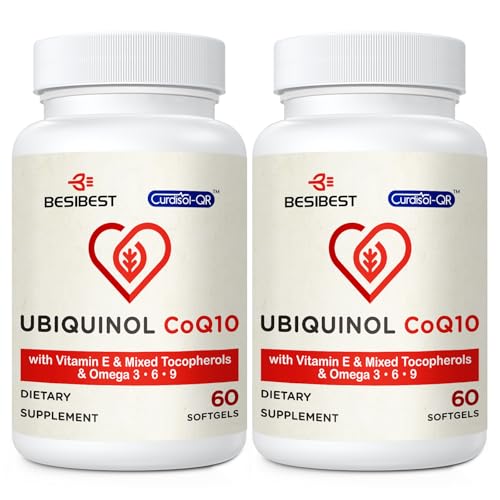
The trial that most directly targeted the over-40 question was a double-blind, placebo-controlled study in IVF-ICSI patients aged 35 to 43, testing whether 600 mg/day of CoQ10 reduced the rate of oocyte aneuploidy (chromosomally abnormal eggs, the primary driver of age-related IVF failure and miscarriage) [3].
The aneuploidy rate was numerically lower in the CoQ10 group (46.5%) than the placebo group (62.8%), and clinical pregnancy rate was also numerically higher, but the study was stopped early due to safety concerns about the biopsy procedure itself before reaching its target enrollment, and the difference did not reach statistical significance in the smaller-than-planned sample [3]. In plain terms: the direction of the result is encouraging, but the trial was underpowered to prove it, which is different from proving no effect exists.
Interaction with Gonadotropins and Other IVF Medications
No pharmacokinetic drug interaction has been established between CoQ10 and the standard IVF medication stack, gonadotropins (Gonal-F, Menopur, Follistim), GnRH agonists/antagonists (Lupron, Cetrotide, Ganirelix), or progesterone support. CoQ10’s proposed mechanism, mitochondrial and antioxidant support at the cellular level, operates on a completely different pathway than the hormonal signaling these medications use to drive follicle development, so a direct pharmacological conflict isn’t biologically expected and hasn’t shown up in the trial data.
That said, “no known interaction” isn’t the same as “your clinic has cleared it”, every fertility medication protocol is individualized, and any supplement, CoQ10 included, should go through your reproductive endocrinologist before you start it, particularly given how tightly IVF cycles are monitored and timed.
Form and Timing
Most of the fertility-focused trials used doses in the 200-600 mg/day range, generally started 60-90 days before a cycle, since that’s roughly the length of the final maturation window for an egg (folliculogenesis). Starting the week before a cycle begins is unlikely to replicate what the trials tested. Ubiquinol, the pre-reduced form, is often marketed for this kind of sustained pre-cycle protocol, but head-to-head trials disagree on whether it is absorbed better than ubiquinone, so taking either form every day with a meal containing fat matters more than the label.

Practical Takeaway
The mechanistic case for CoQ10 supporting egg quality in women over 40 is genuinely stronger than for many fertility supplements on the market, backed by a plausible biological pathway and directionally favorable (if not definitively proven) trial data specifically in the 35-43 age range. It isn’t a substitute for anything in your IVF protocol, and it isn’t guaranteed to move your specific outcome. If you’re planning a cycle, raise CoQ10 with your reproductive endocrinologist early enough to actually complete a meaningful pretreatment window, rather than adding it as an afterthought once stimulation has already started.
References
- Coenzyme Q10 restores oocyte mitochondrial function and fertility during reproductive aging. Aging Cell, 2015
- Pretreatment with coenzyme Q10 improves ovarian response and embryo quality in low-prognosis young women with decreased ovarian reserve: a randomized controlled trial. Reproductive Biology and Endocrinology, 2018
- Coenzyme Q10 Supplementation and Oocyte Aneuploidy in Women Undergoing IVF-ICSI Treatment. Clinical Medicine Insights: Reproductive Health, 2014
These statements have not been evaluated by the Food and Drug Administration. This information is not intended to diagnose, treat, cure, or prevent any disease. Content is for informational purposes only and is not medical advice; consult a qualified healthcare provider before starting any supplement. As an Amazon Associate we earn from qualifying purchases.