Navigating dietary choices during midlife and menopause can involve considering various nutrients. For women following vegan or vegetarian diets, understanding how certain compounds are obtained and utilized by the body is an important aspect of managing overall wellness.
Coenzyme Q10 (CoQ10) is a compound naturally present in the body and in some foods. While the body produces CoQ10, dietary sources can also contribute. This article explores CoQ10 considerations for women on plant-based diets, focusing on potential dietary gaps and supplementation.
What is CoQ10 and Why is it Relevant?
CoQ10 is a fat-soluble, vitamin-like substance that plays a role in cellular energy production. It is also recognized for its antioxidant properties, helping to protect cells from oxidative stress. Ubiquinol is the active, antioxidant form of CoQ10, which the body can utilize directly.
The body’s natural production of CoQ10 can decline with age, particularly after midlife. This decline is a factor that some individuals consider when evaluating their CoQ10 intake. While CoQ10 is found in various foods, concentrations can differ significantly.
CoQ10 Vegan Sources: Dietary Considerations
For individuals following a vegan or vegetarian diet, CoQ10 sources primarily come from plant-based foods. However, the concentration of CoQ10 in plant foods is generally lower compared to animal products. This can be a consideration for women relying solely on plant-based diets for their CoQ10 intake.
Some plant-based foods that contain CoQ10 include certain nuts, seeds, spinach, broccoli, and some oils like soybean and canola oil. While these foods contribute to overall nutrient intake, the amount of CoQ10 they provide may be modest. For example, animal-derived sources like meat and fish tend to have higher concentrations of CoQ10 [1].
It’s important to understand that while a diverse vegan or vegetarian diet offers many health benefits, it may present unique considerations for certain nutrients. The body’s ability to synthesize CoQ10, alongside dietary intake, contributes to overall levels.
Factors Influencing CoQ10 Levels in Plant-Based Diets
Beyond direct dietary intake, several factors can influence CoQ10 levels in the body. Age is a significant factor, with natural production tending to decrease as women move through midlife and menopause. This age-related decline can make dietary contributions and potential supplementation more relevant for some individuals.
Certain health conditions and medications can also impact CoQ10 levels. For instance, some research suggests that CoQ10 might be a component in nutritional interventions for conditions like fibromyalgia, though more research is needed [2][3]. These broader considerations highlight the complex interplay of factors affecting CoQ10 status.
For women on plant-based diets, ensuring a wide variety of nutrient-dense foods is always beneficial. However, the generally lower CoQ10 content in plant foods compared to animal sources means that individuals may wish to be particularly mindful of their CoQ10 status, especially as they age.
CoQ10 Supplementation for Vegan and Vegetarian Women
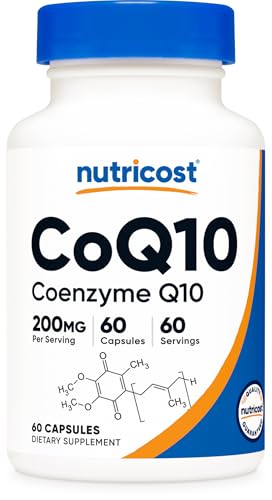
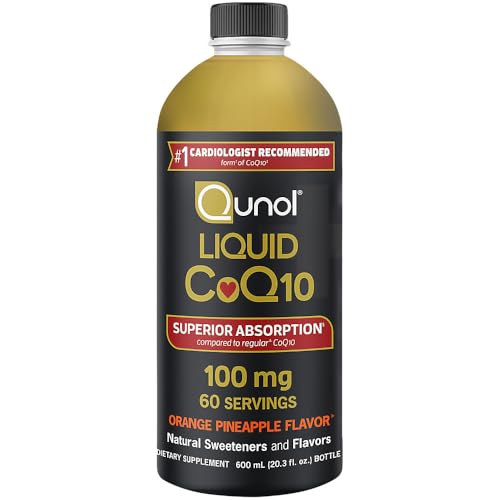
Given the typically lower CoQ10 content in plant-based foods and the age-related decline in endogenous production, some vegan and vegetarian women may consider CoQ10 supplementation. When choosing a supplement, it is crucial to ensure it is suitable for a vegan diet.

Many CoQ10 supplements are available in ubiquinol form, which is readily utilized by the body. When selecting a supplement, checking the ingredients list for animal-derived components, such as gelatin in capsules, is essential for those adhering to strict vegan principles. Reputable brands often clearly label their products as ‘vegan’ or ‘plant-based’ if they meet these criteria.
The amount of CoQ10 in supplements can vary, and it’s generally advisable to discuss appropriate dosages with a healthcare professional. While CoQ10 is generally well-tolerated, individual needs and circumstances can differ. Some research has explored the role of nutraceuticals, including CoQ10, in supporting cardiovascular health [4], suggesting its broader relevance.
Considering Ubiquinol: The Active Form
CoQ10 exists in two forms: ubiquinone and ubiquinol. Ubiquinone is the oxidized form, which the body must convert into ubiquinol, the active antioxidant form, to be used. As individuals age, the body’s ability to efficiently convert ubiquinone to ubiquinol may decrease.
For this reason, ubiquinol supplements are often suggested, especially for older adults or those who may have impaired conversion abilities. Since ubiquinol is already in its active form, it can be directly utilized by the body. This can be a relevant consideration for vegan and vegetarian women in midlife and menopause, as they navigate potential age-related changes in their CoQ10 metabolism.

References
- Recent nutritional approaches to the prevention and therapy of cardiovascular disease. Progress in cardiovascular nursing, 1997
- Nutritional Interventions in the Management of Fibromyalgia Syndrome. Nutrients, 2020
- Dietary Interventions in the Management of Fibromyalgia: A Systematic Review and Best-Evidence Synthesis. Nutrients, 2020
- Nutraceutical, Dietary, and Lifestyle Options for Prevention and Treatment of Ventricular Hypertrophy and Heart Failure. International journal of molecular sciences, 2021
These statements have not been evaluated by the Food and Drug Administration. This information is not intended to diagnose, treat, cure, or prevent any disease. Content is for informational purposes only and is not medical advice; consult a qualified healthcare provider before starting any supplement. As an Amazon Associate we earn from qualifying purchases.